
Provides roughage, reduces hairball risk, helps grind teeth
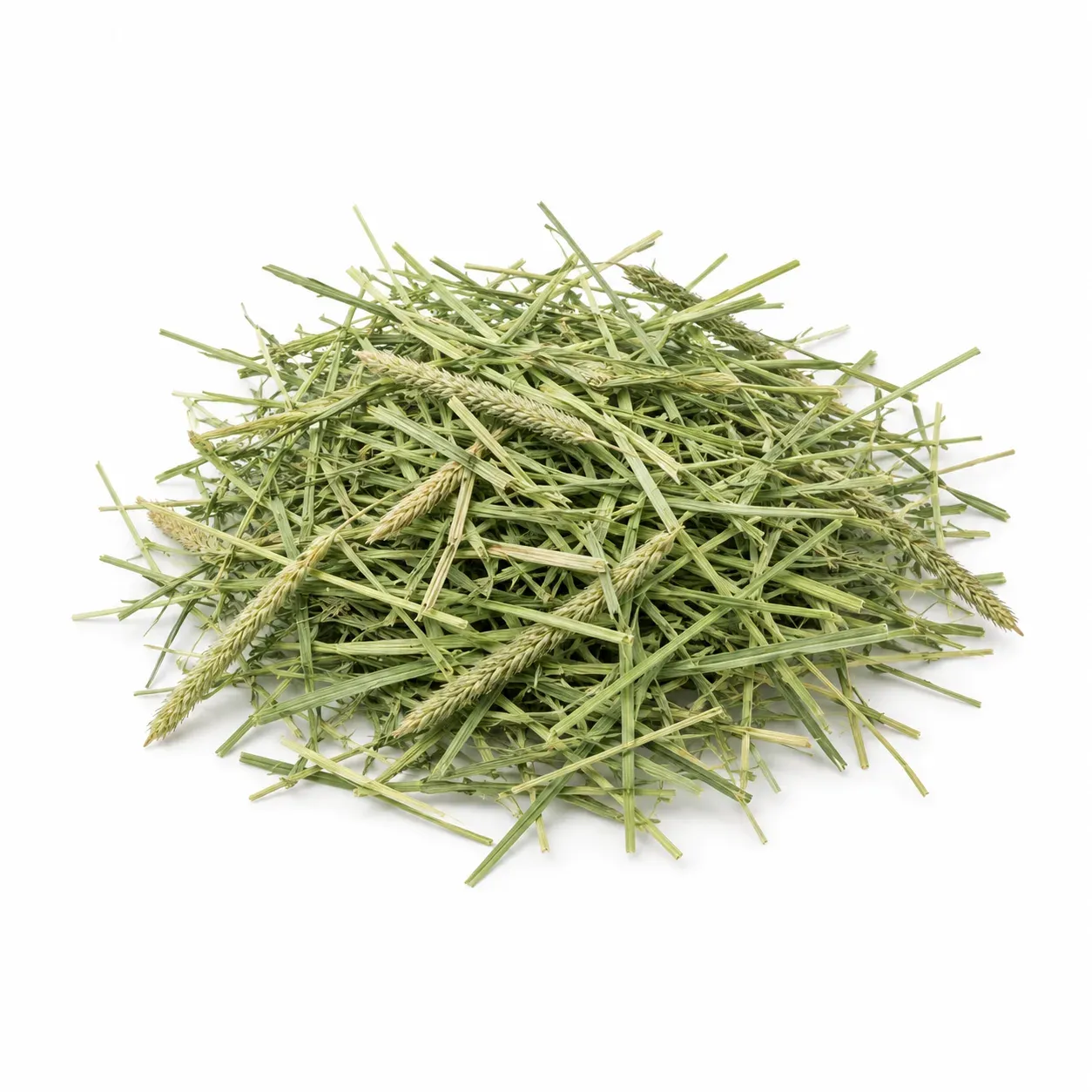
Timothy Hay
Adult rabbit staple food
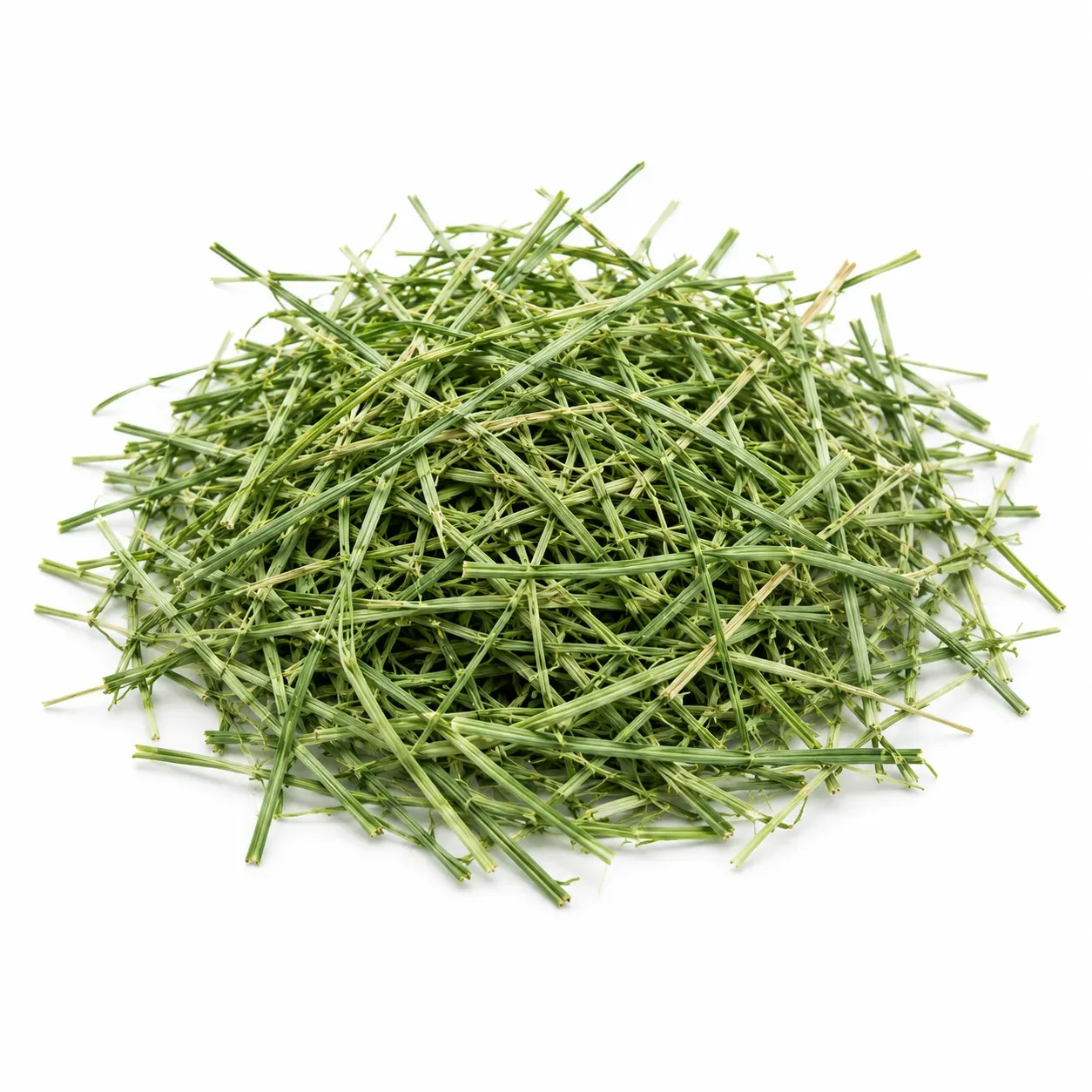
Orchard Grass
Adult rabbit staple food
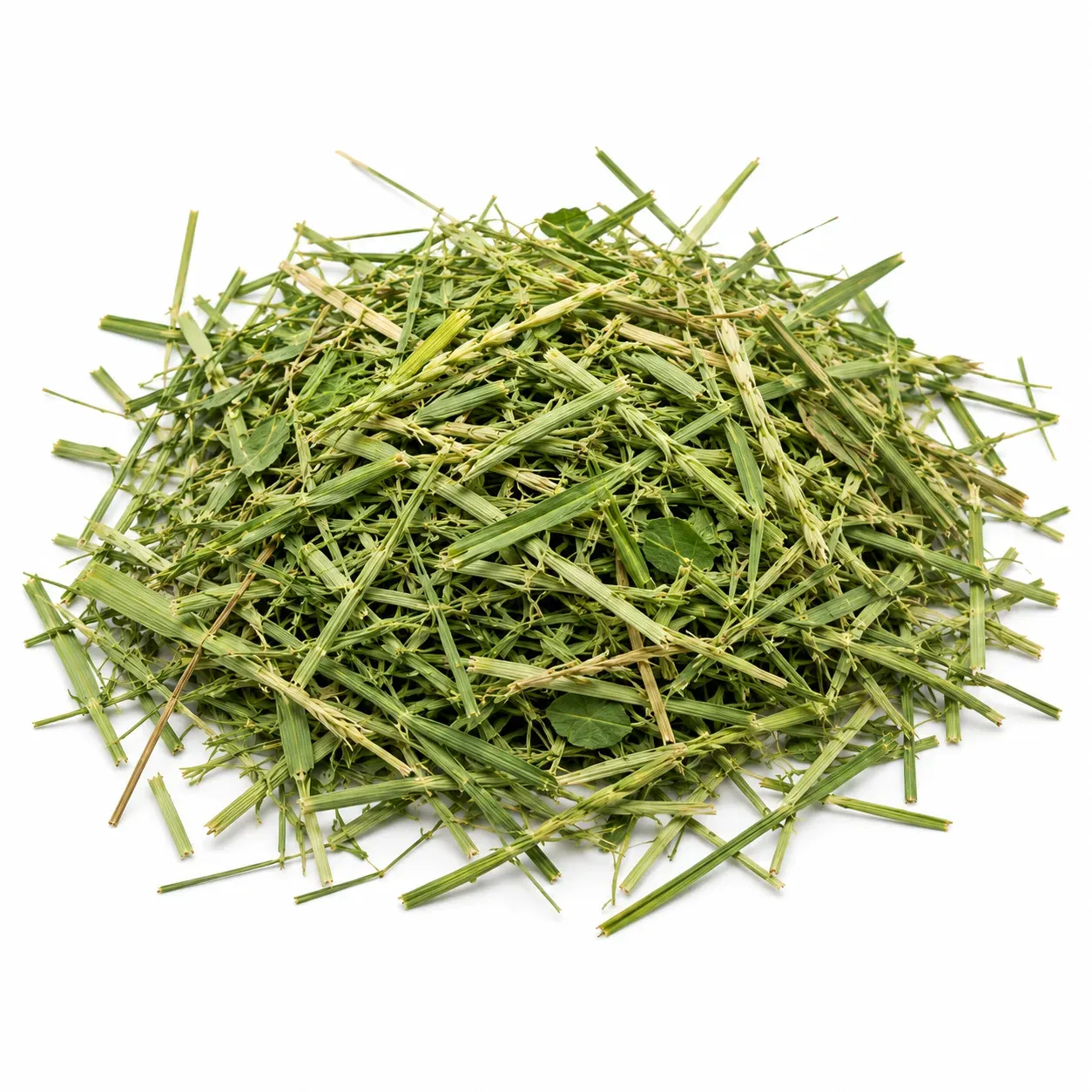
Bermuda Hay
Adult rabbit staple food
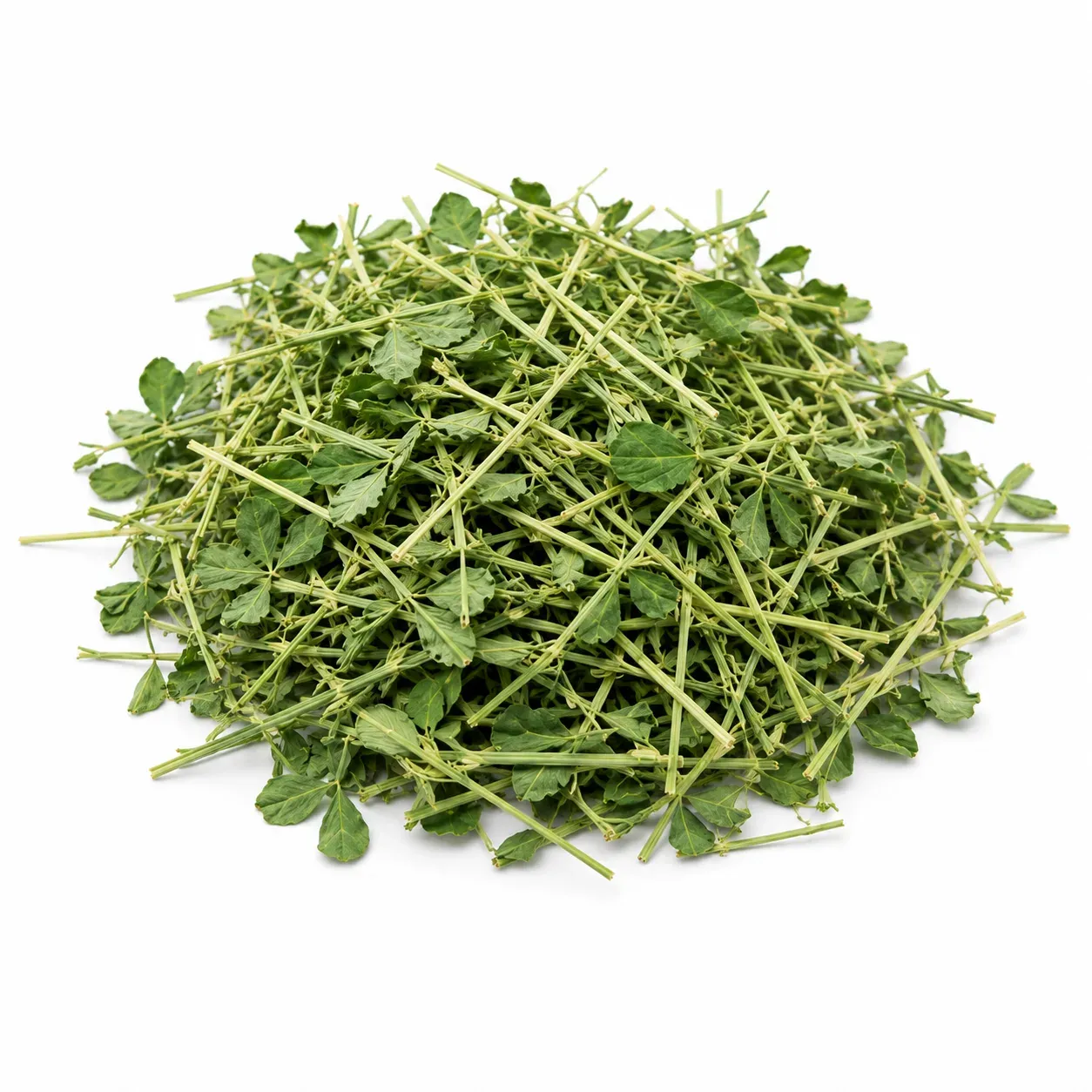
Alfalfa (Medicago sativa)
Only for young, nursing, elderly or injured rabbits
Suitable as occasional supplements, cannot replace staple hay. Adds dietary variety or serves as a hay-based treat.
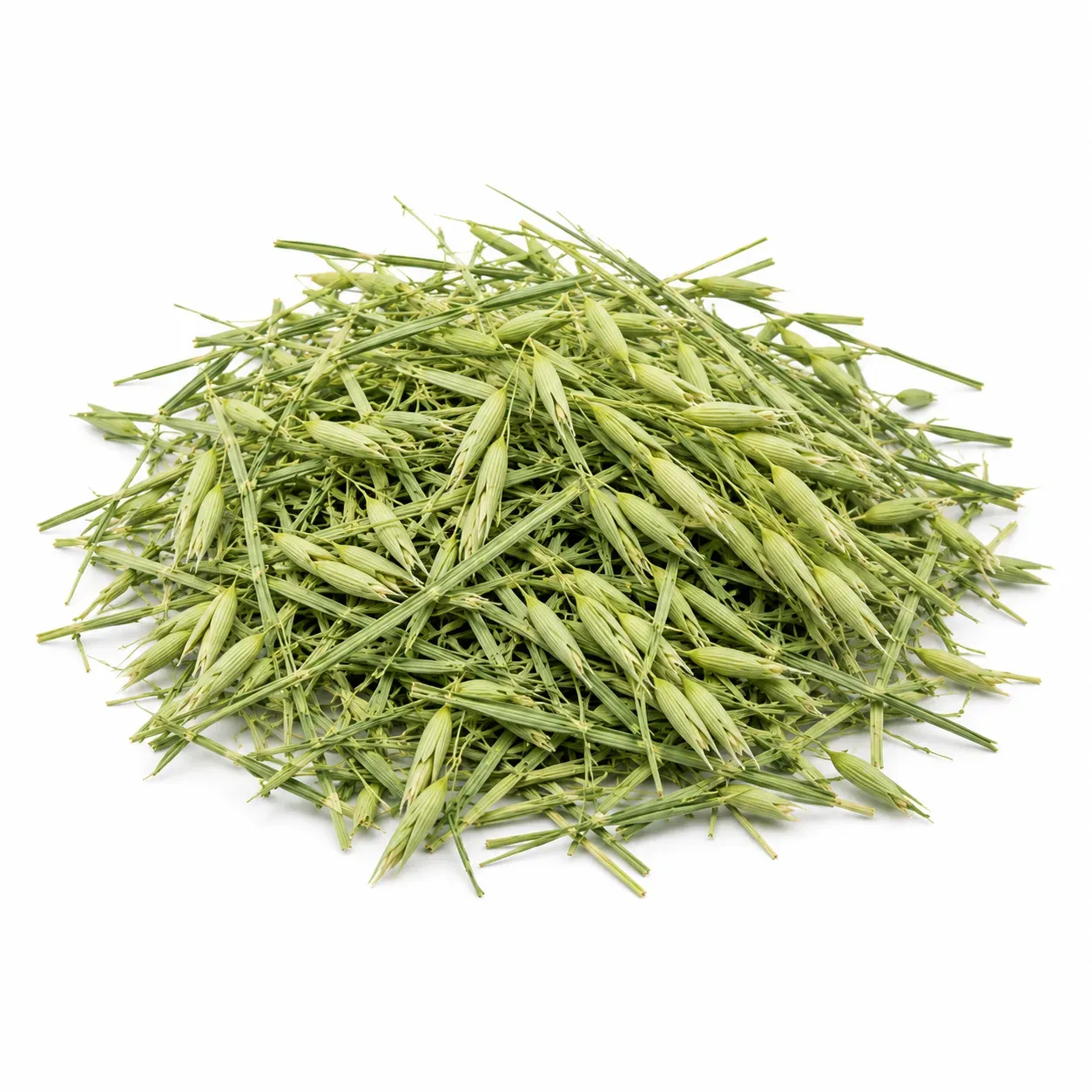
Oat Hay
Highly palatable, can increase rabbit's interest in eating
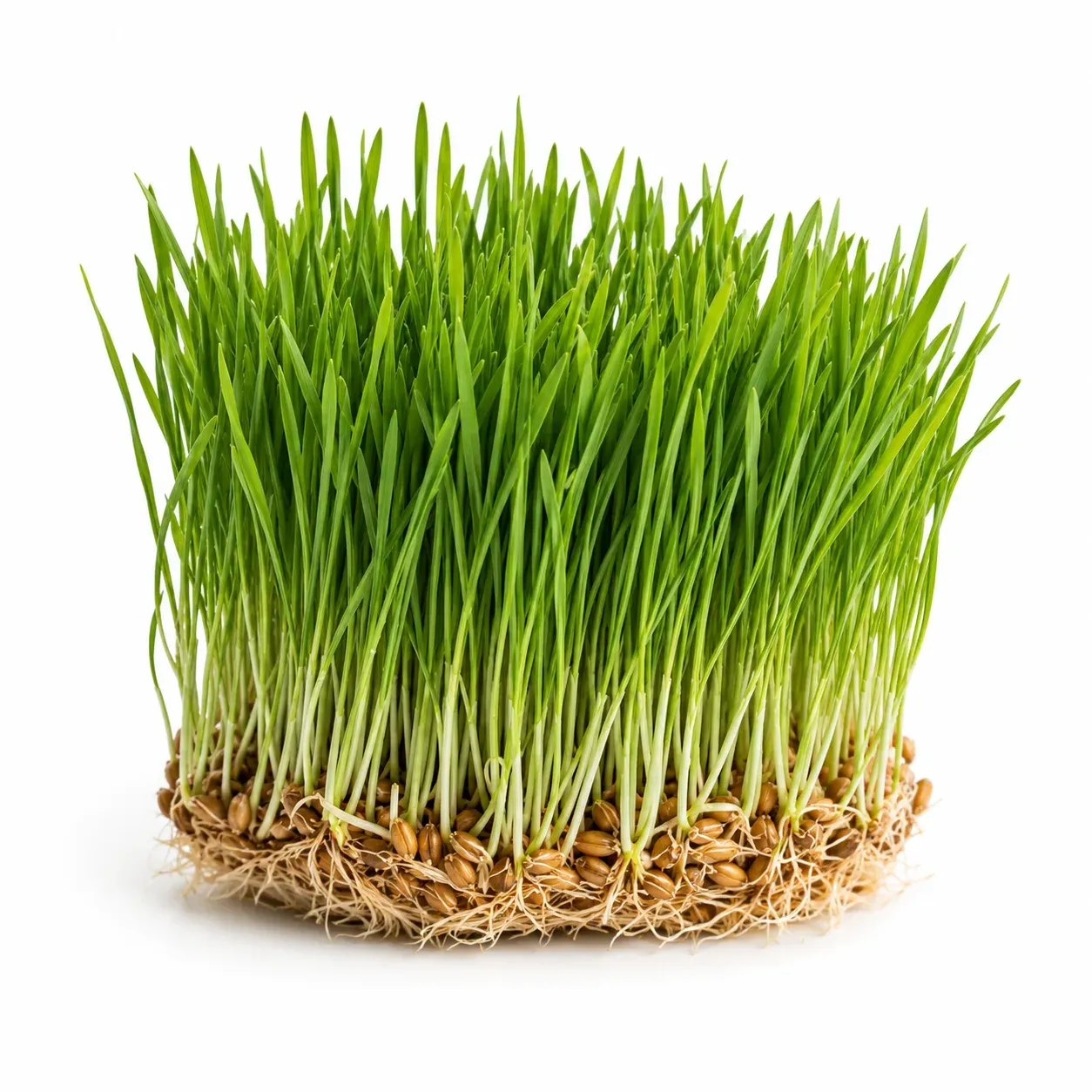
Wheat Hay
High in fiber and suitable as a supplement, but should not completely replace timothy hay as the main diet
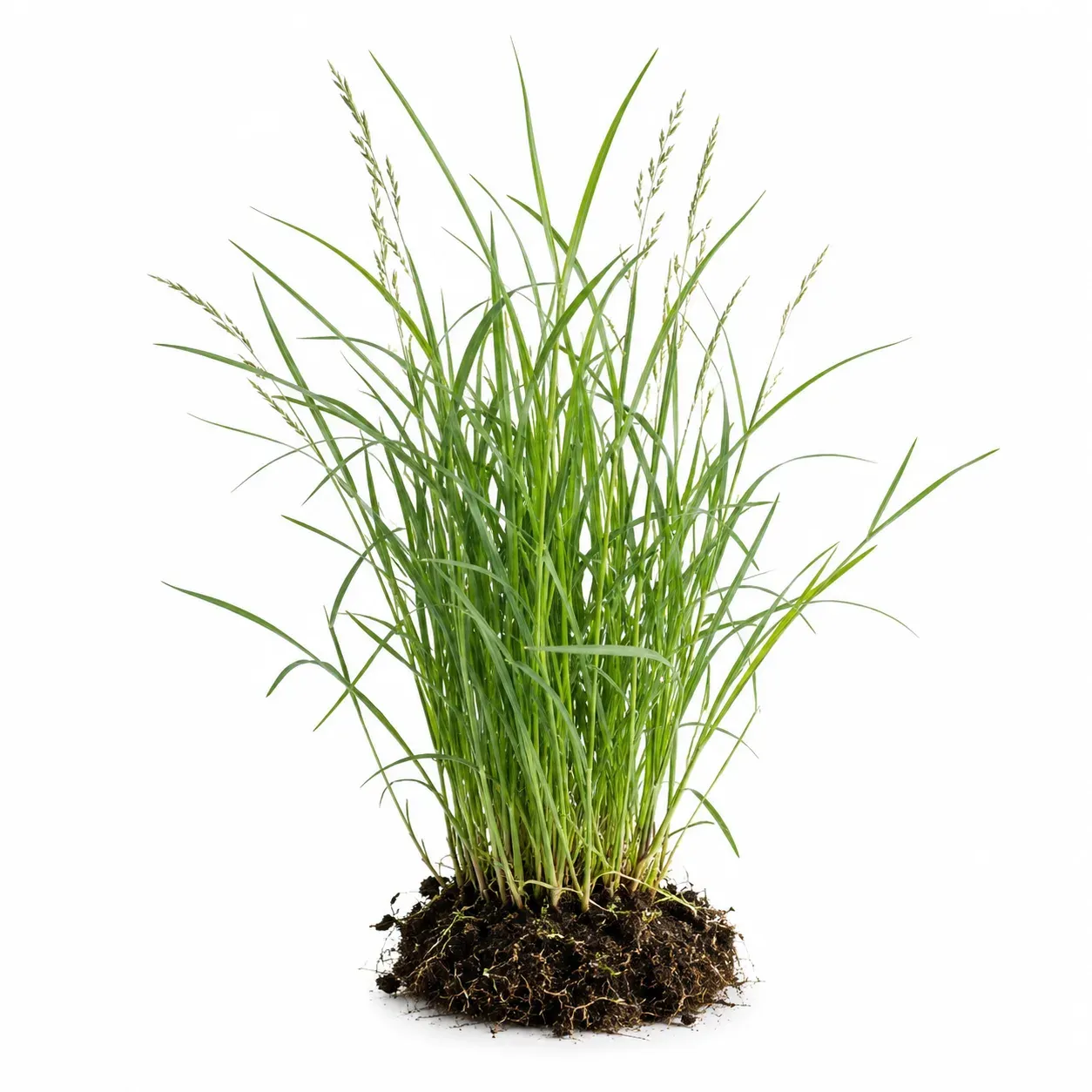
Pangola grass
Pangola grass is rich in crude fiber, which helps promote gut motility and healthy tooth wear in rabbits
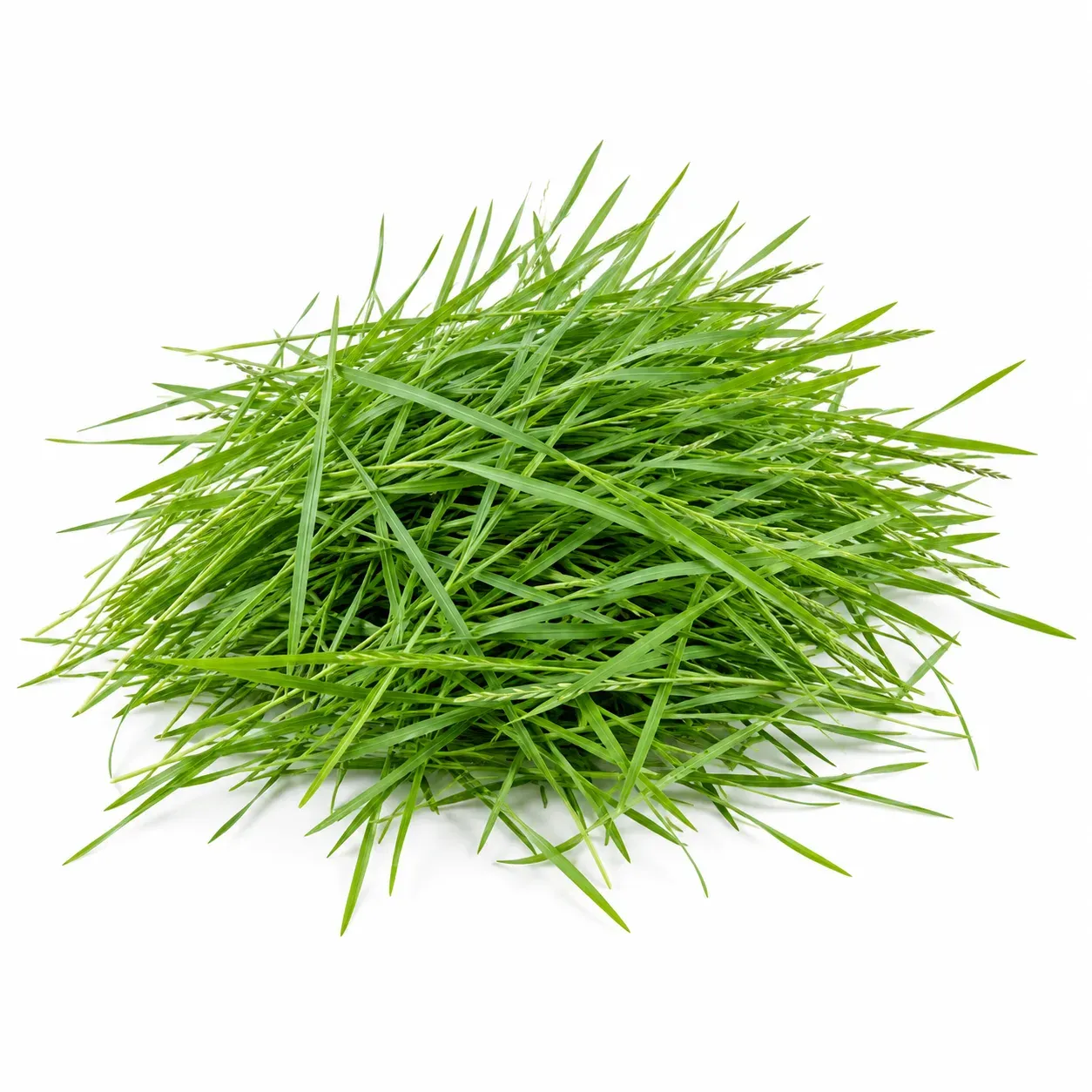
Ryegrass
A highly palatable grass hay from the Poaceae family, rich in fiber
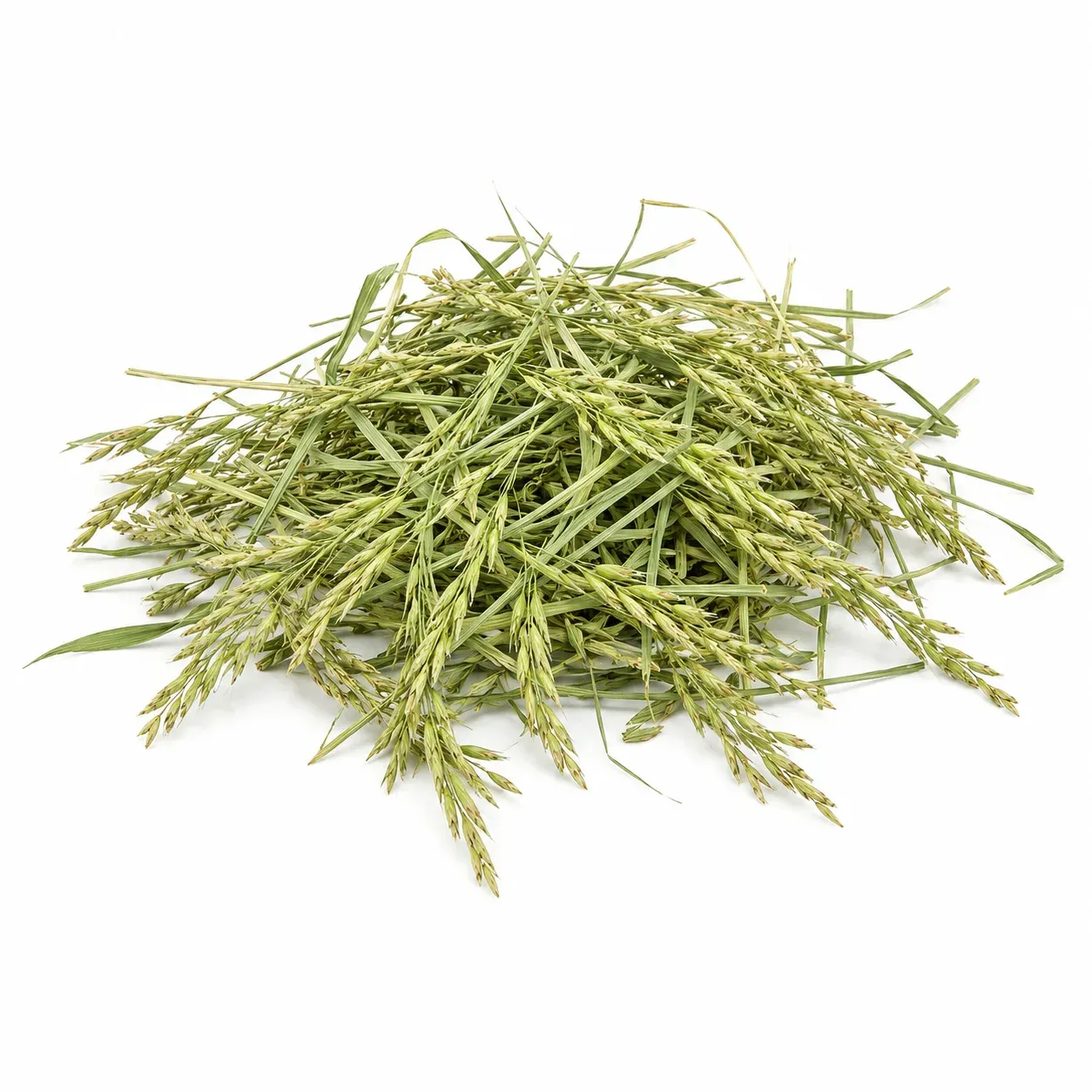
Brome
It is not recommended as the sole long-term hay source.
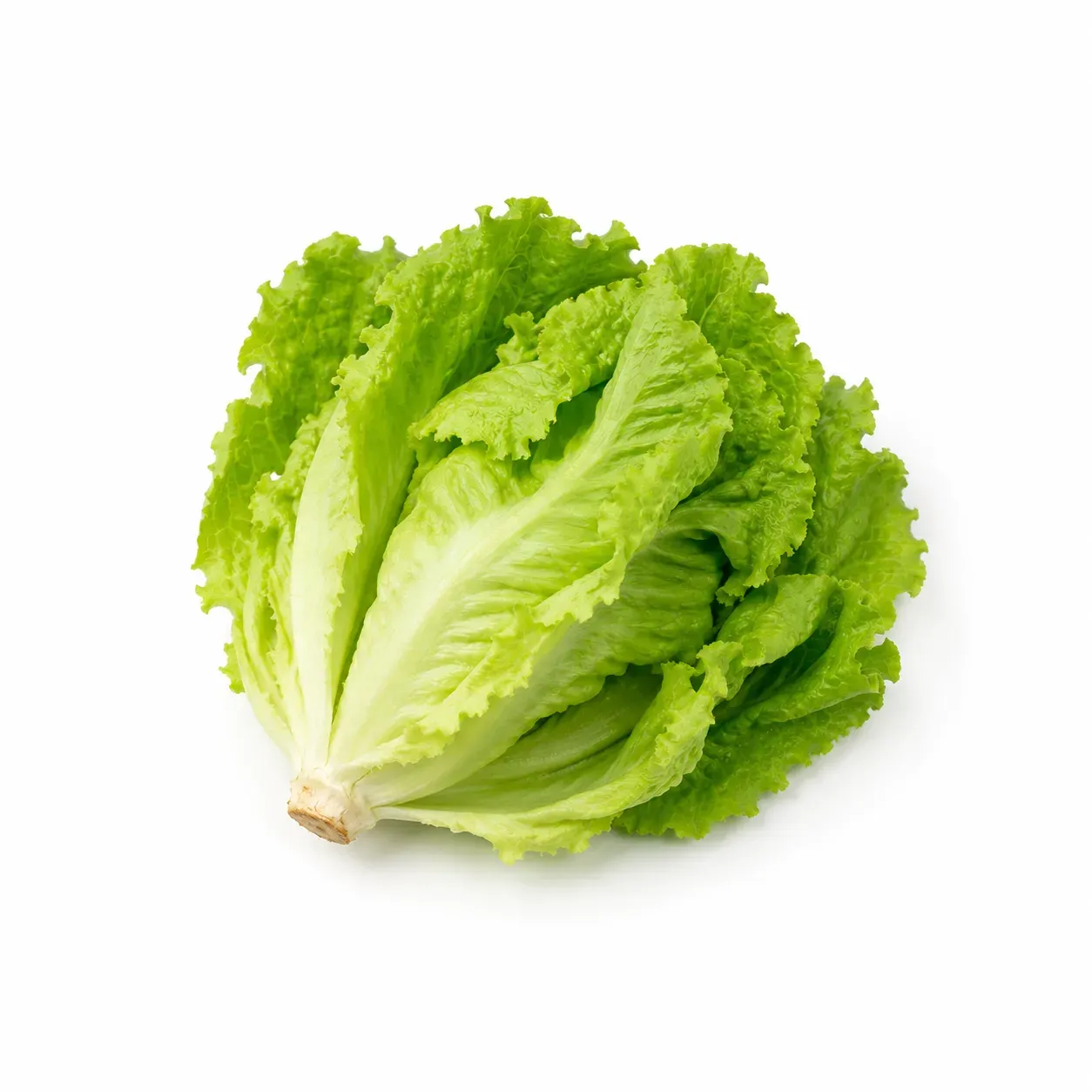
Fushan lettuce
It is safe and non-toxic for rabbits and suitable as a fresh food option
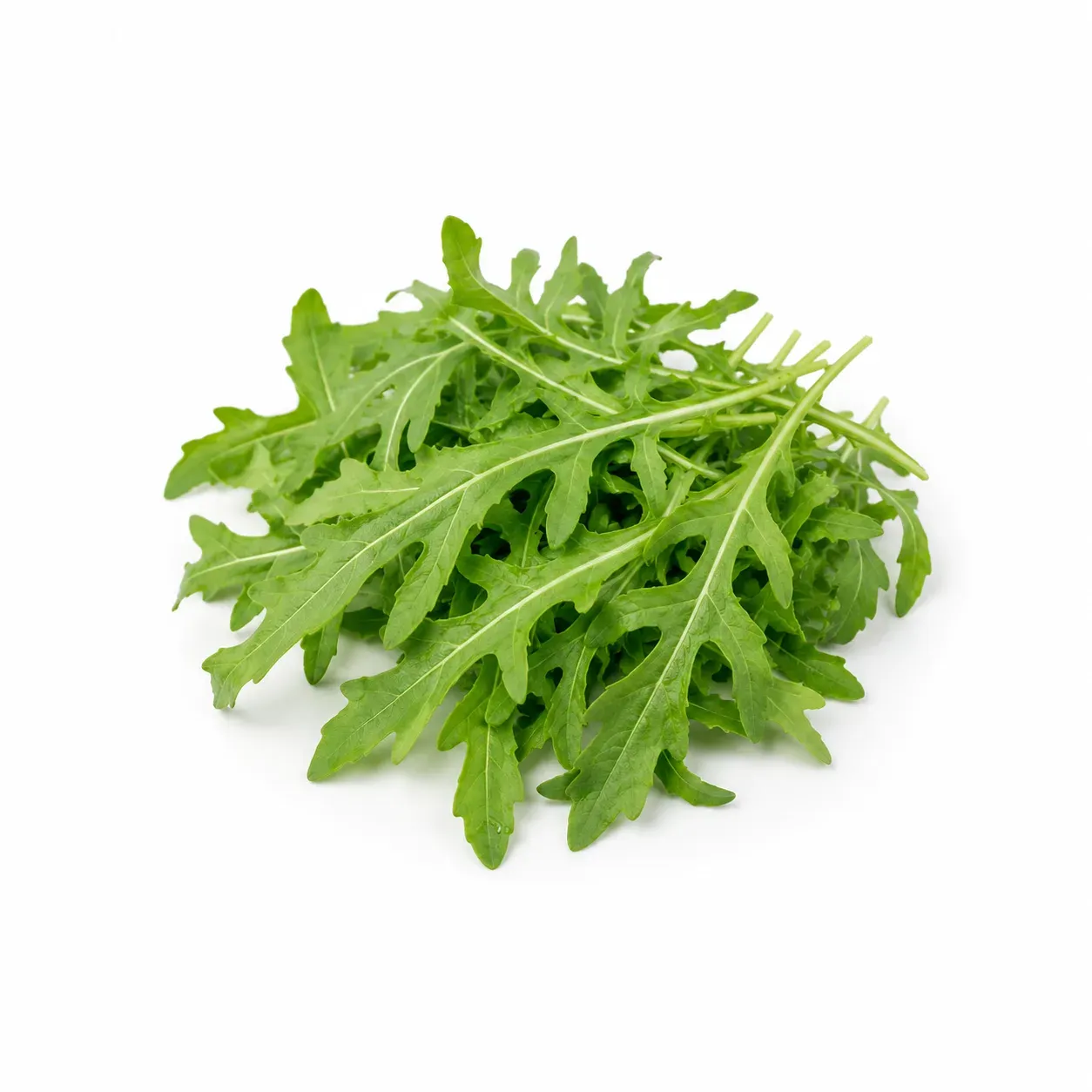
Arugula / Rucola / Rucculo salad (Eruca sativa)
Nutrient-rich with high fiber and minerals, suitable as a daily fresh vegetable side dish. Flowers are safe too
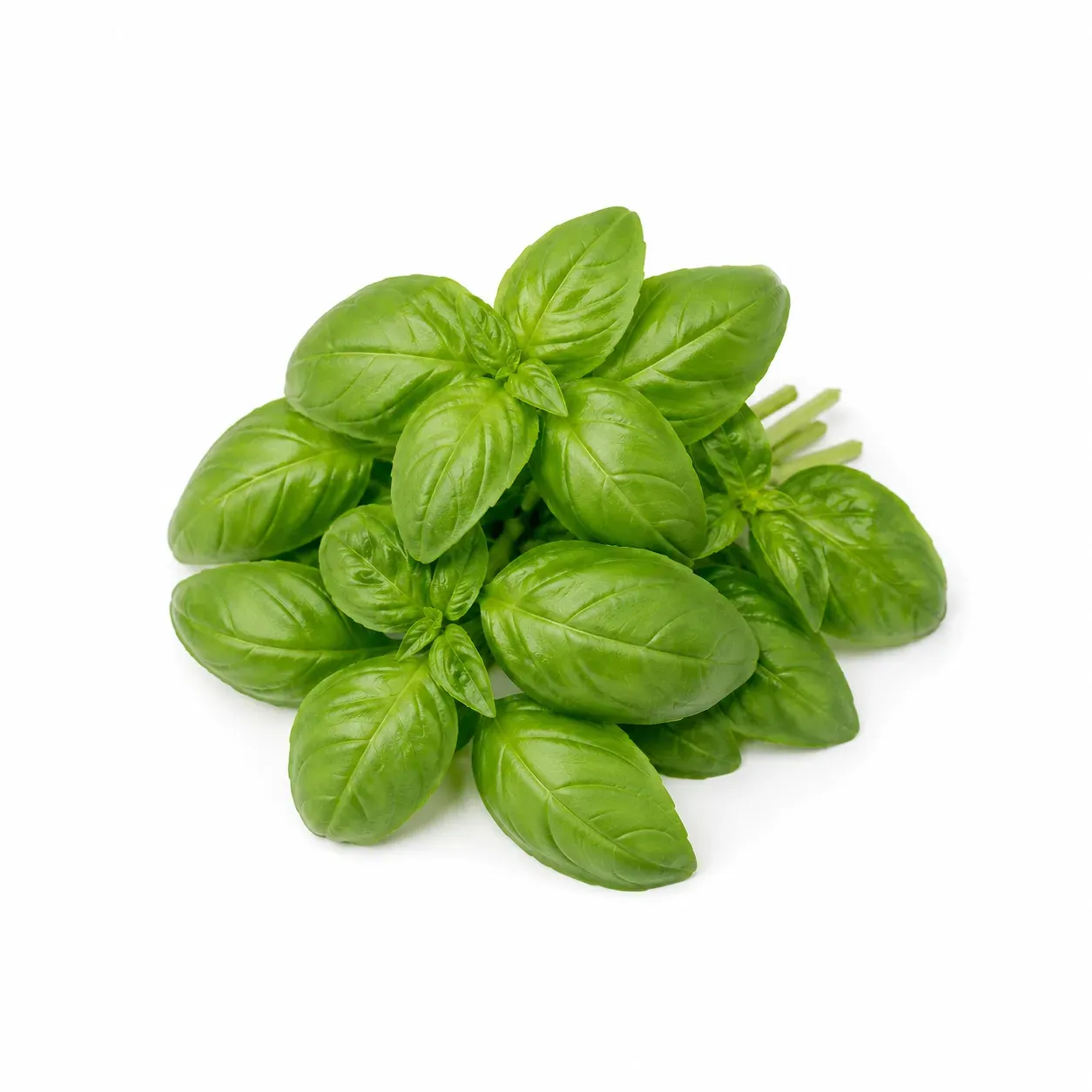
Basil (Ocimum basilicum)
It is nutrient-rich and suitable as part of a daily fresh vegetable mix
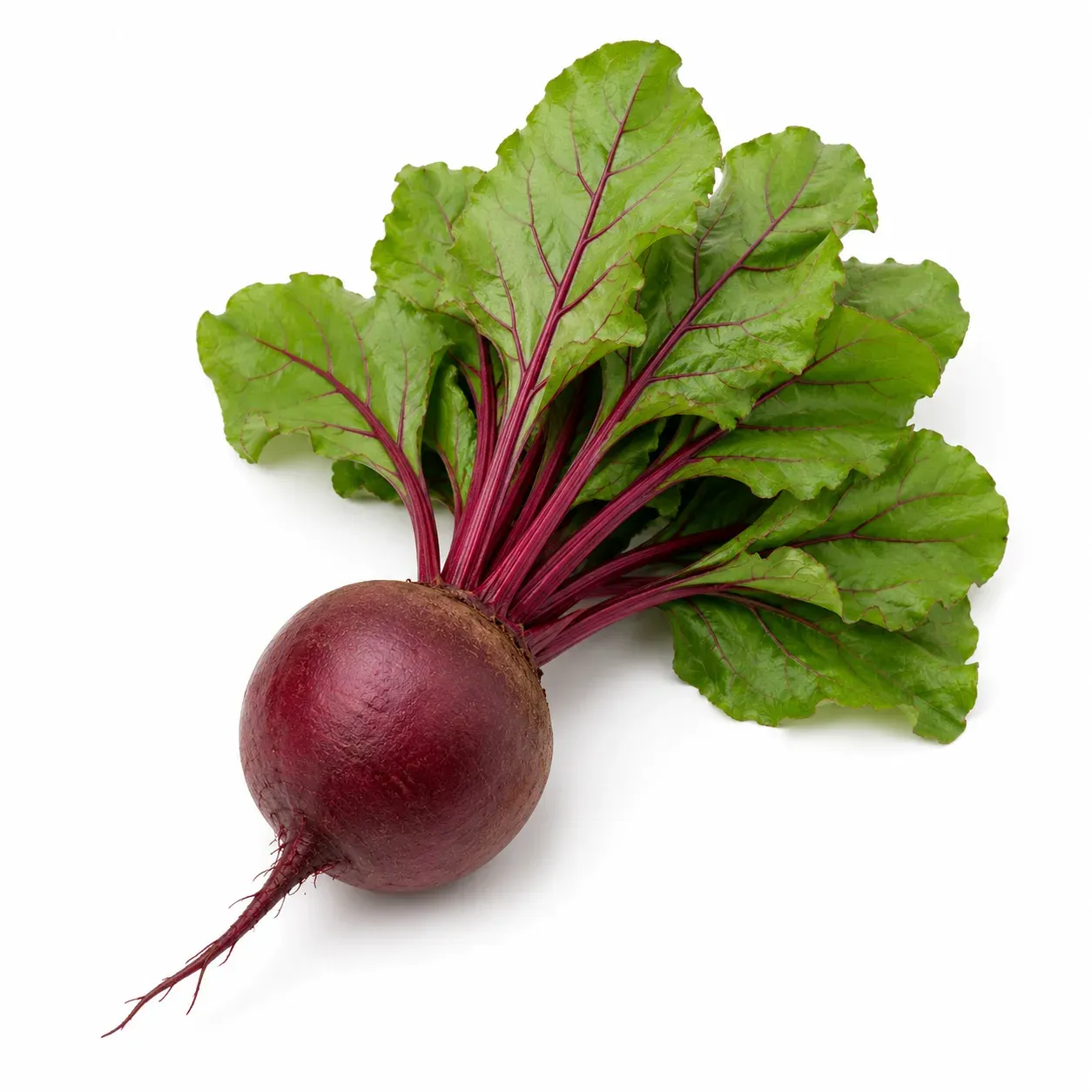
Beets tops/greens (Beta vulgaris)
High in calcium and oxalic acid; offer sparingly as an occasional treat, not as a staple food.
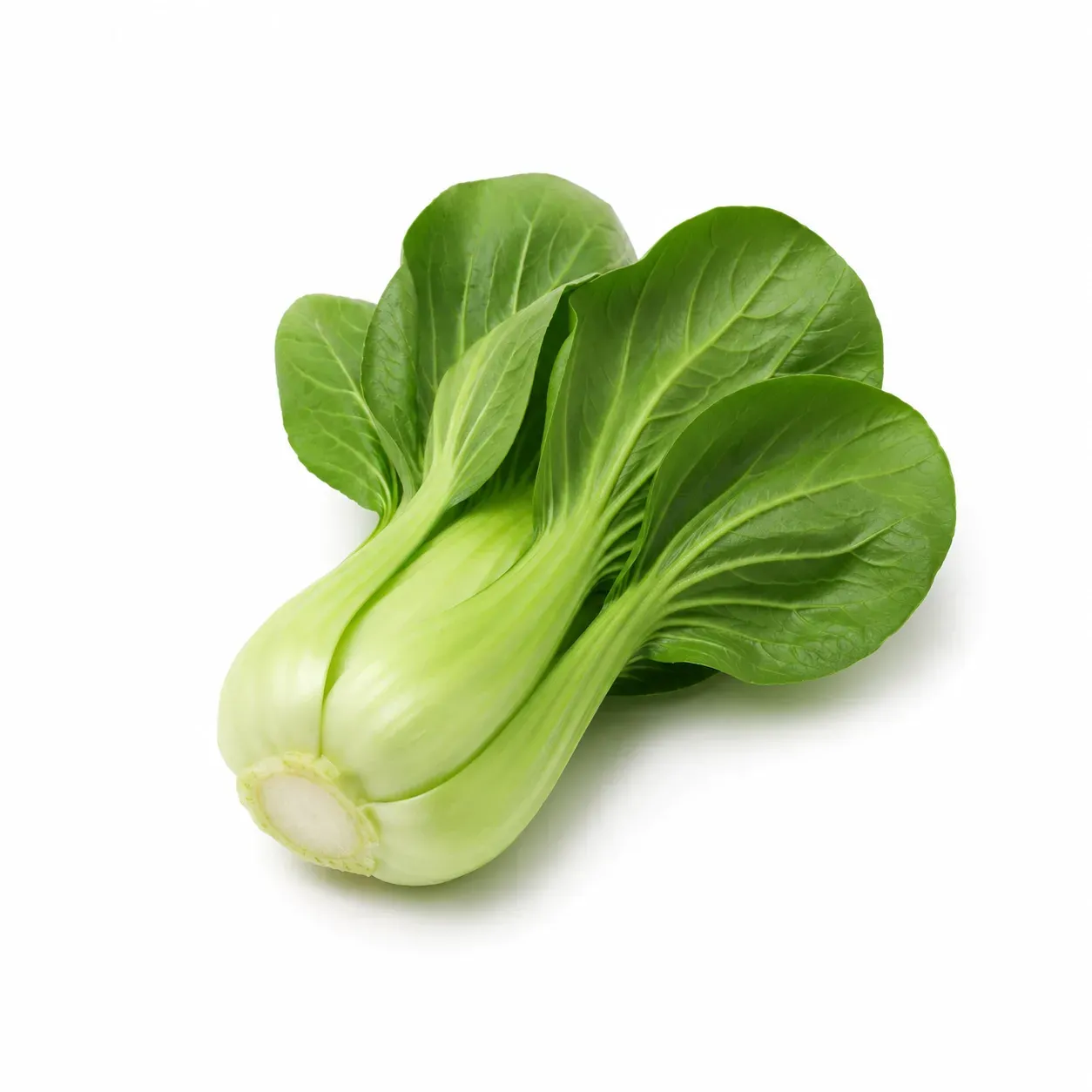
Bok Choy
It is rich in fiber and aids digestion, but as a cruciferous vegetable, eating too much can cause gas and digestive discomfort.
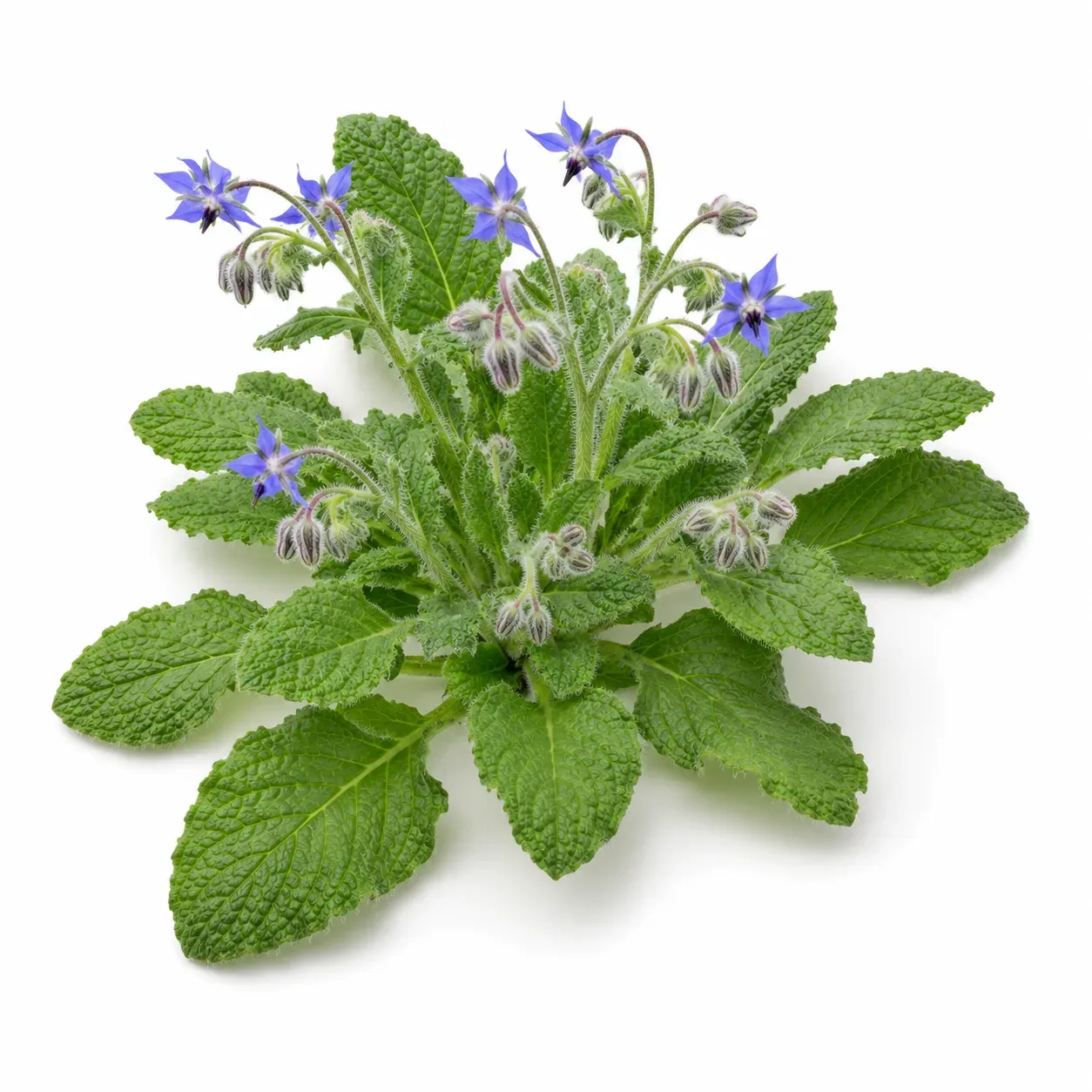
Borage Leaves (Borago officinalis)
An edible herb that should only be offered as a small supplement, not as a replacement for hay
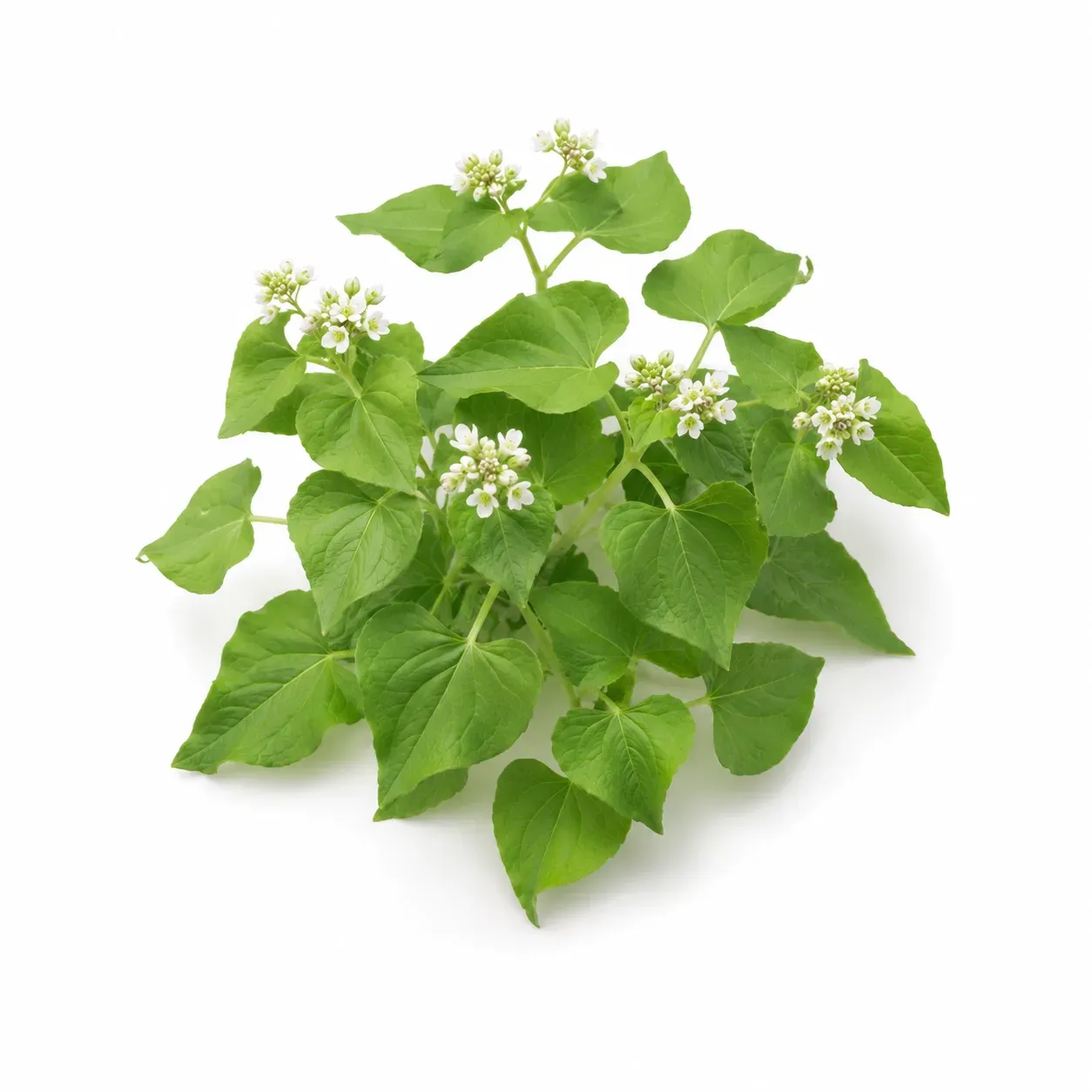
Buckwheat Leaves (Fagopyrum esculentum)
Not recommended in large amounts; contains higher oxalic acid or mildly toxic compounds; treat as an occasional snack only
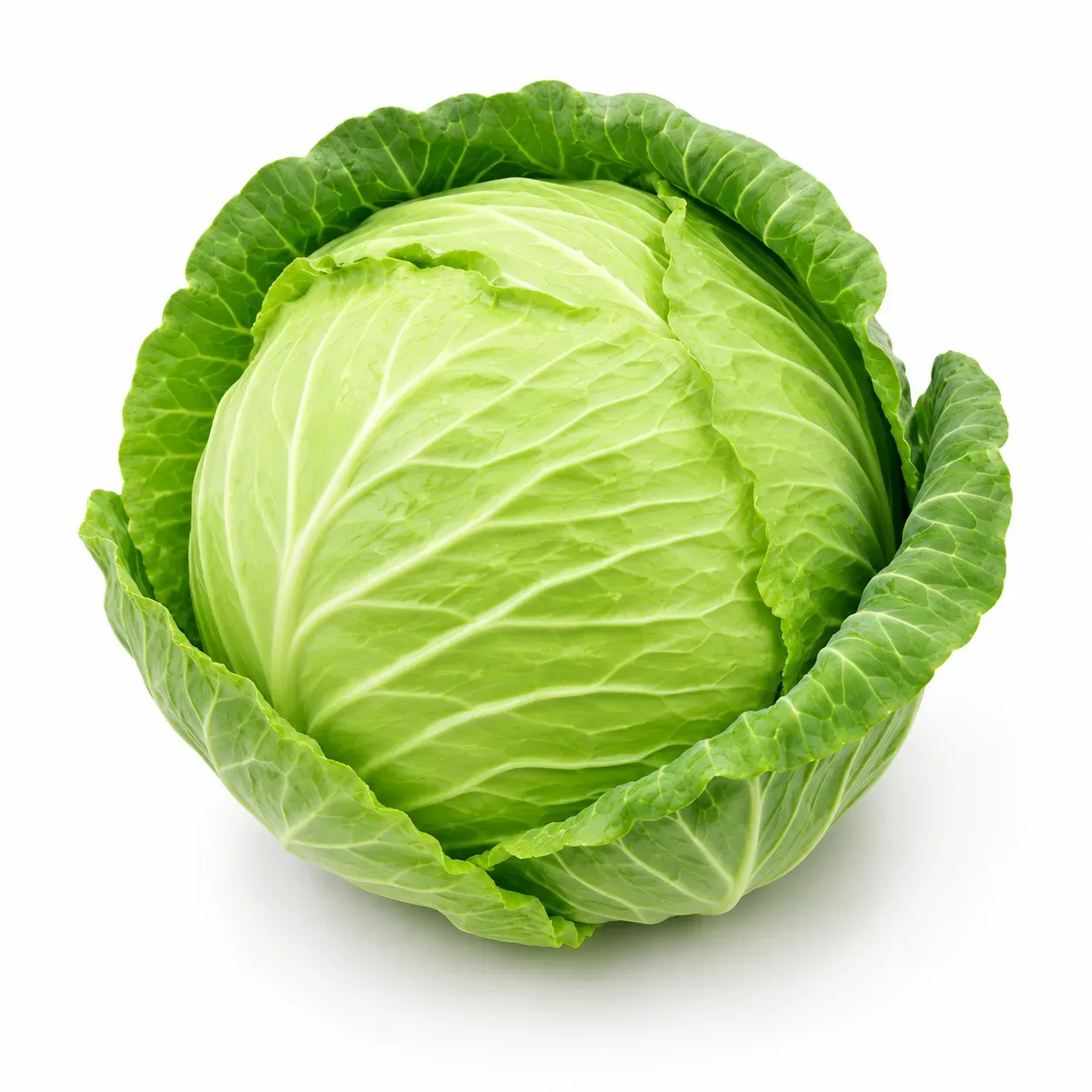
Cabbage
Causes gas
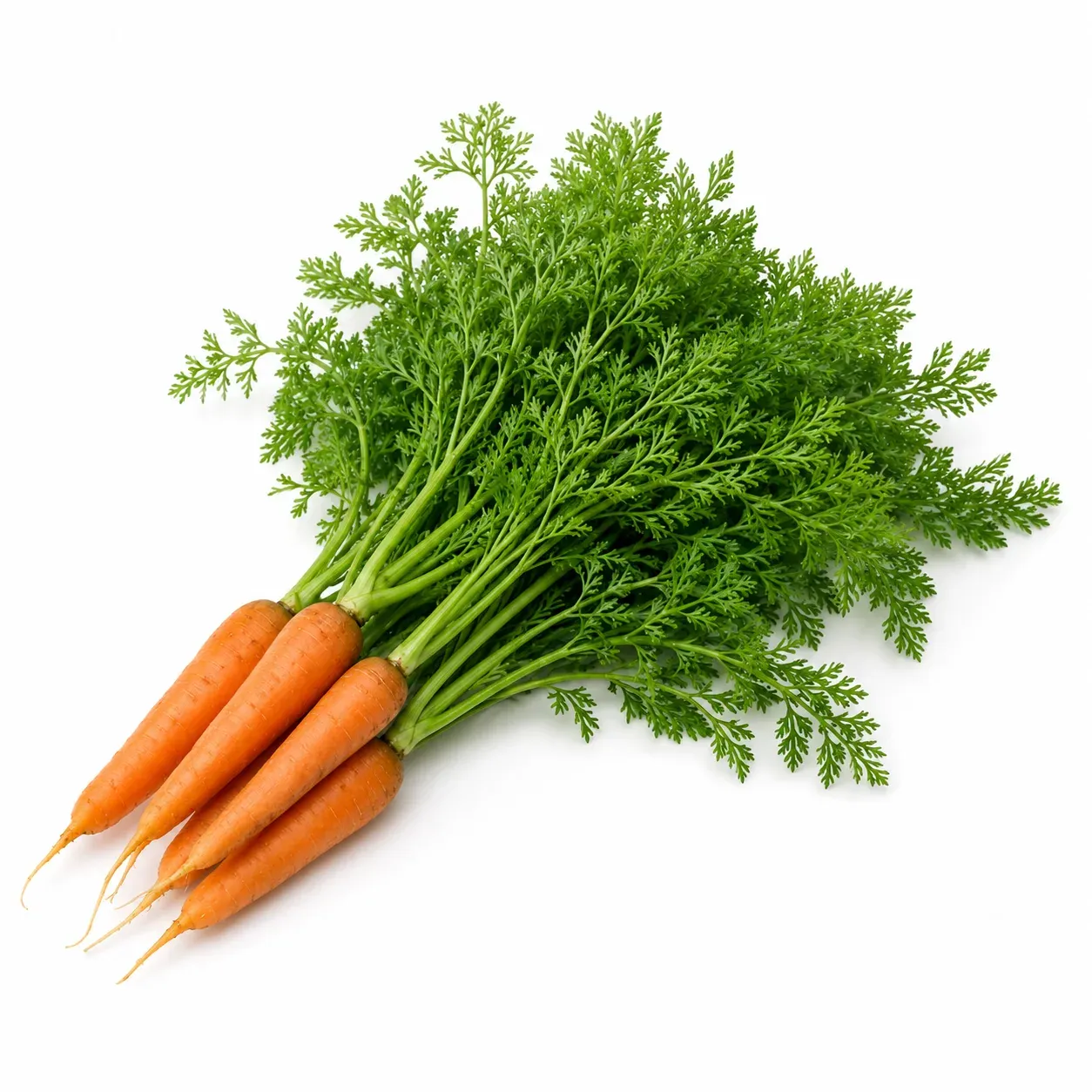
Carrot Tops
A very safe leafy green, suitable as a daily leafy food source
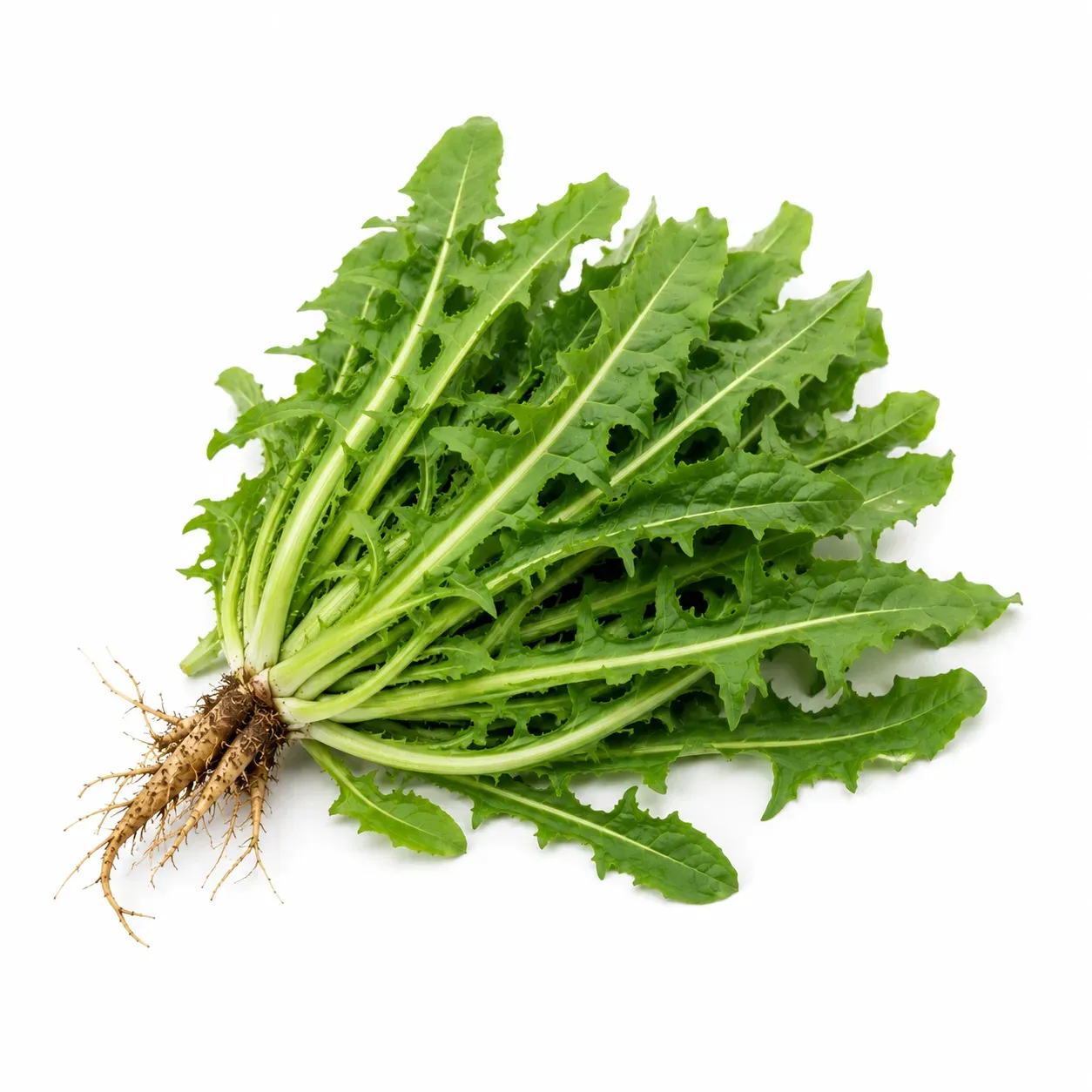
Chicory Greens
A healthy, low-oxalate leafy green, suitable as a nutritional supplement to the daily diet
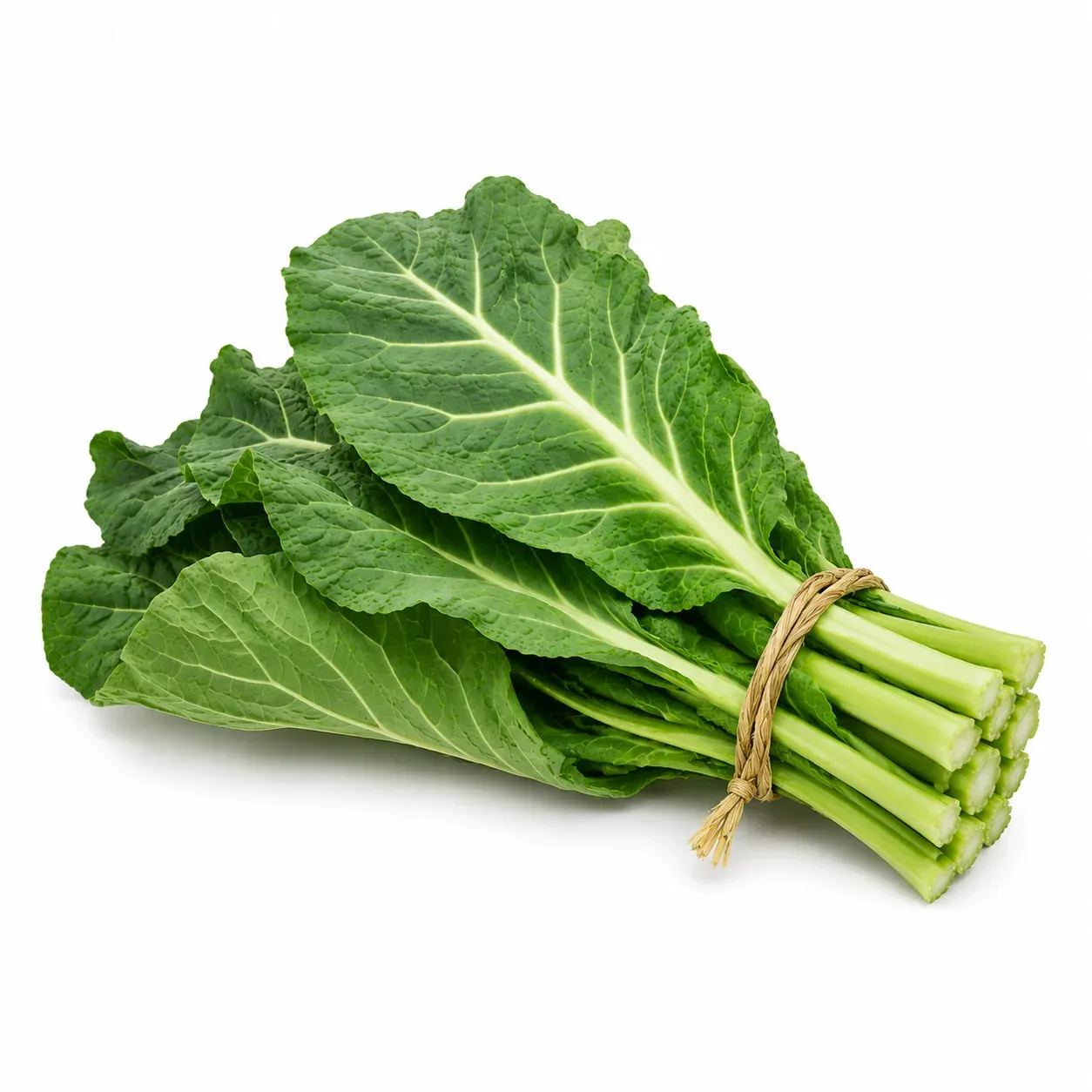
Collard Greens
Small moderate amounts
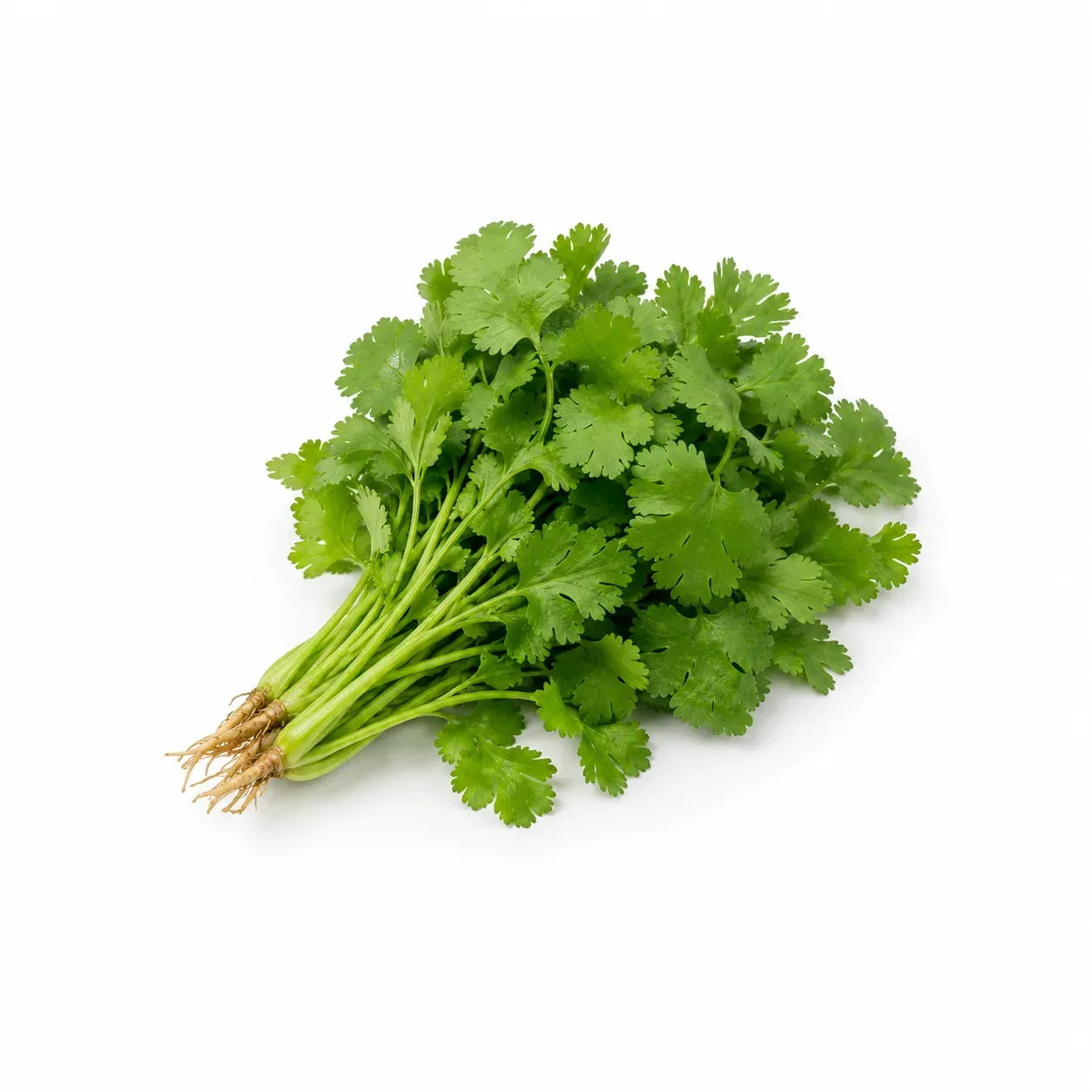
Cilantro
For adult rabbits, offer a small amount daily to provide nutrition and stimulate appetite. Young rabbits have more sensitive digestive systems, so cilantro is not recommended for them.
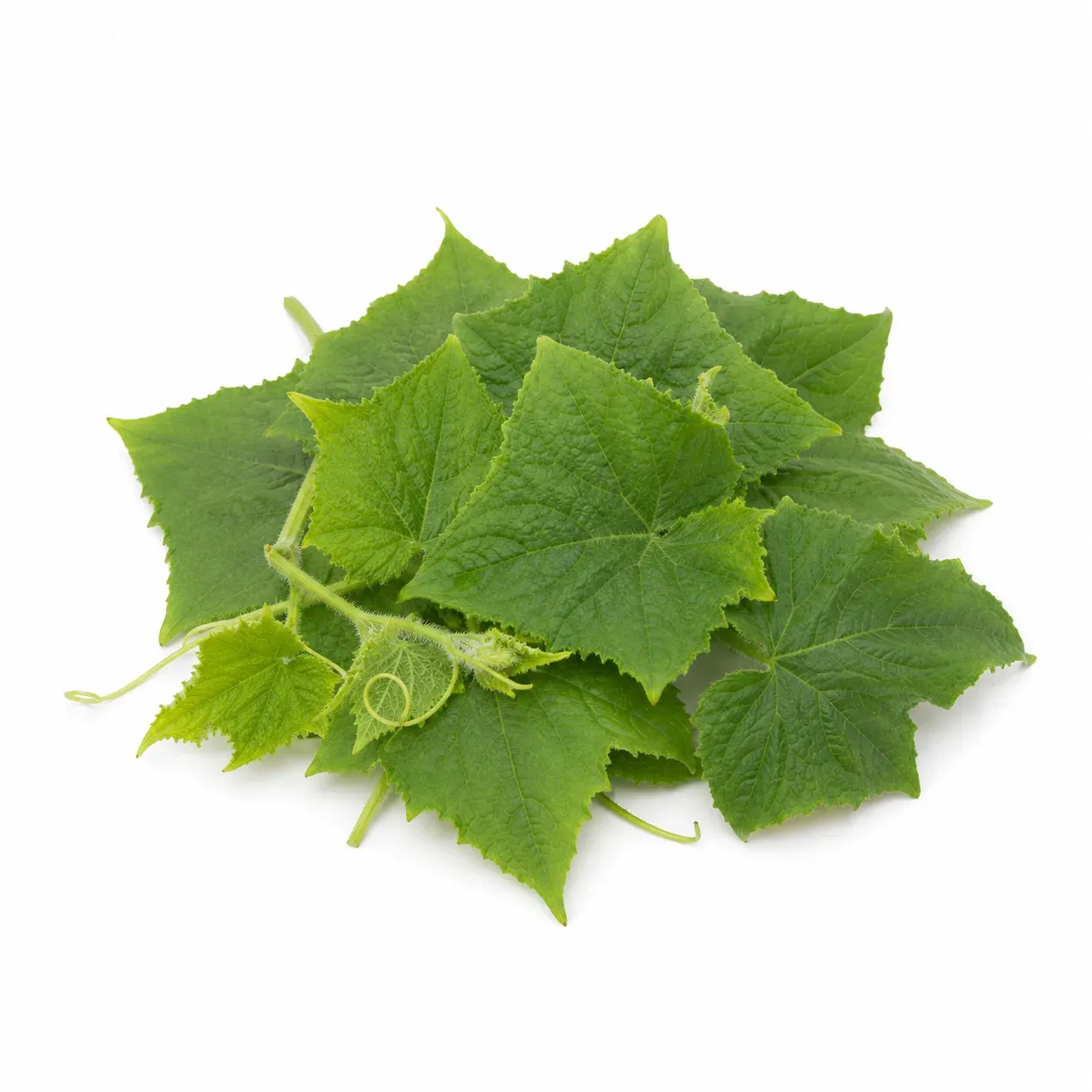
Cucumber leaves
Cucumber leaves contain fiber, but they should be offered only in small amounts as a supplement to daily hay and fresh vegetables. Always wash them thoroughly before feeding and make sure there is no pesticide residue.
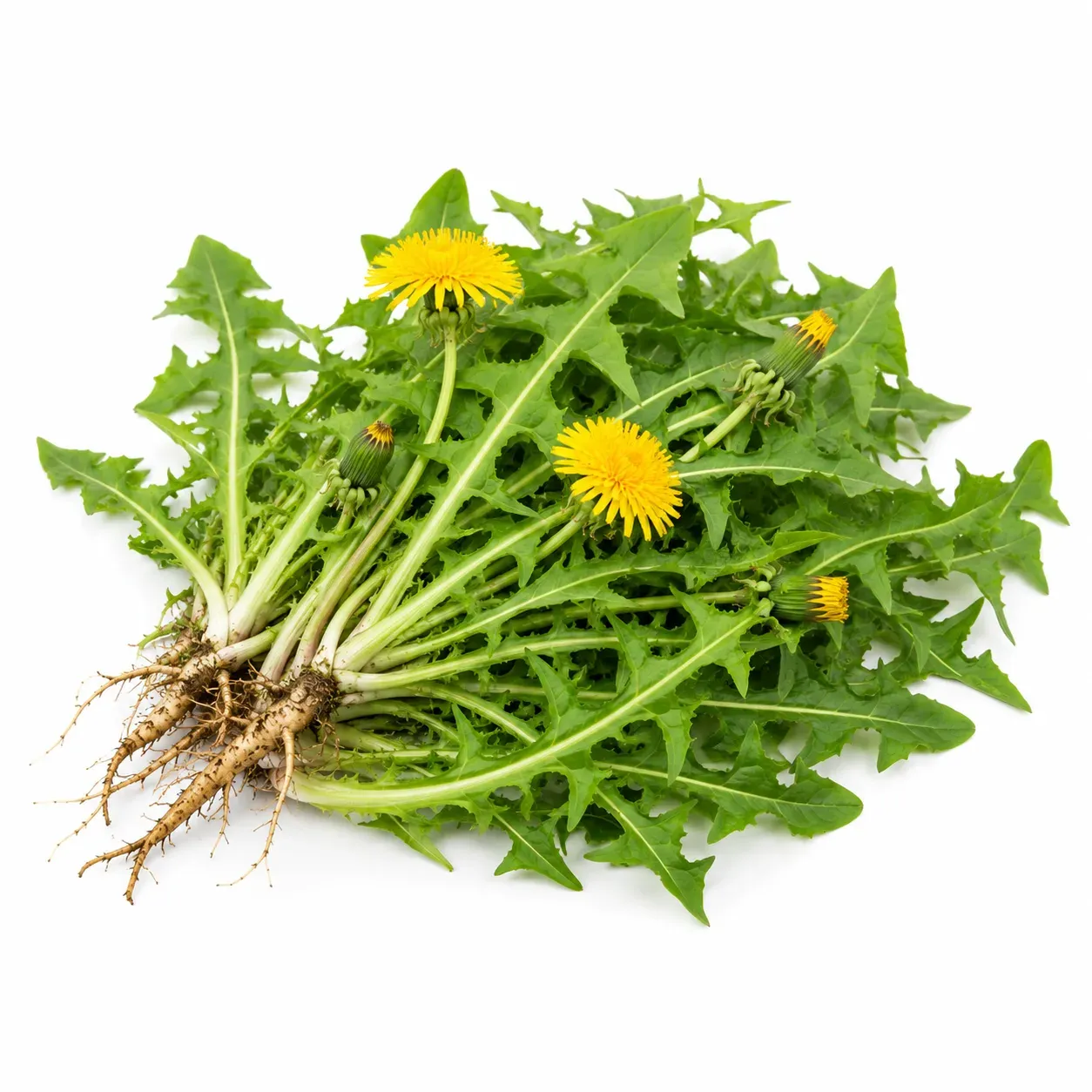
Dandelion
Excellent healthy wild greens, and the leaves, flowers, and roots are all edible.
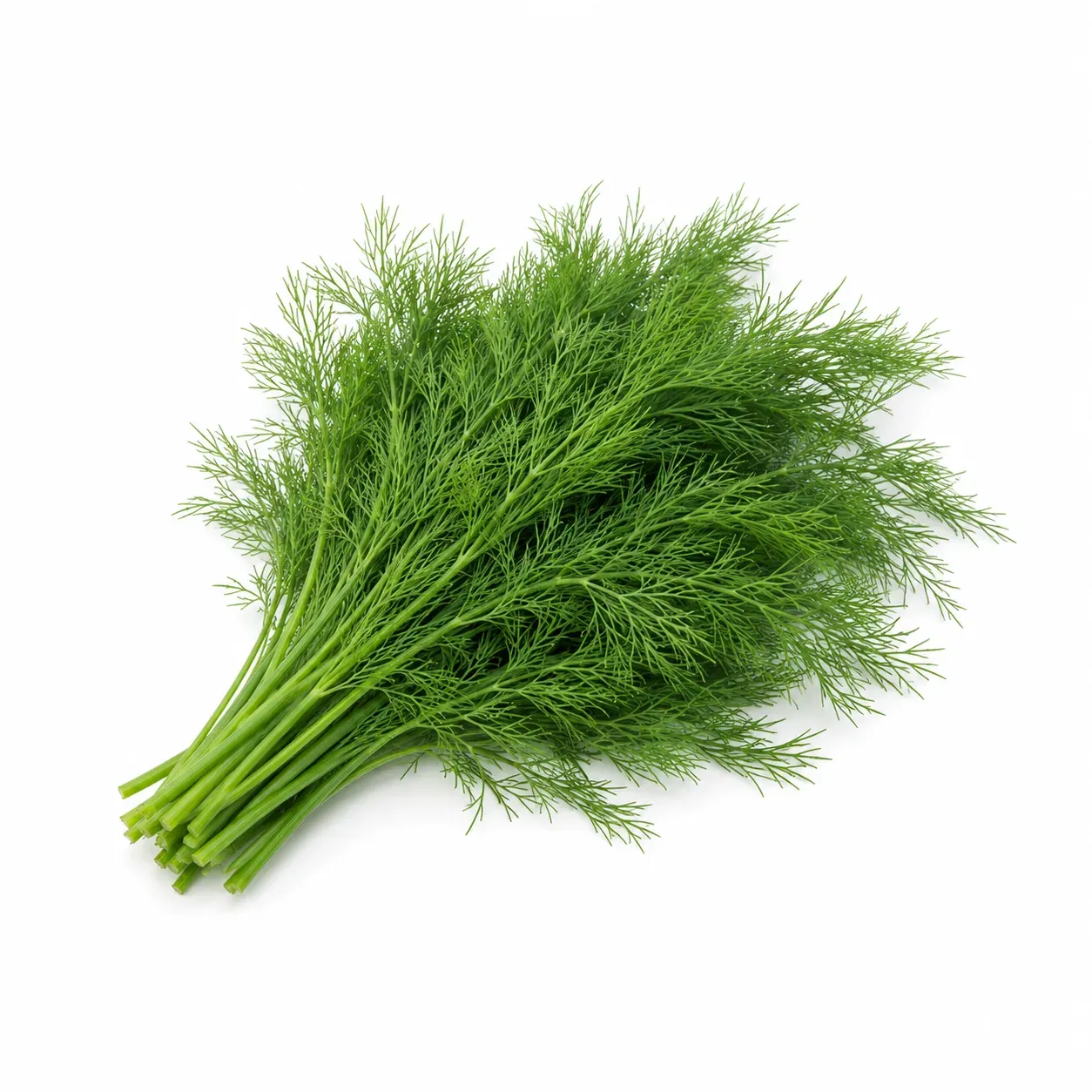
Dill
A safe and healthy leafy herb.
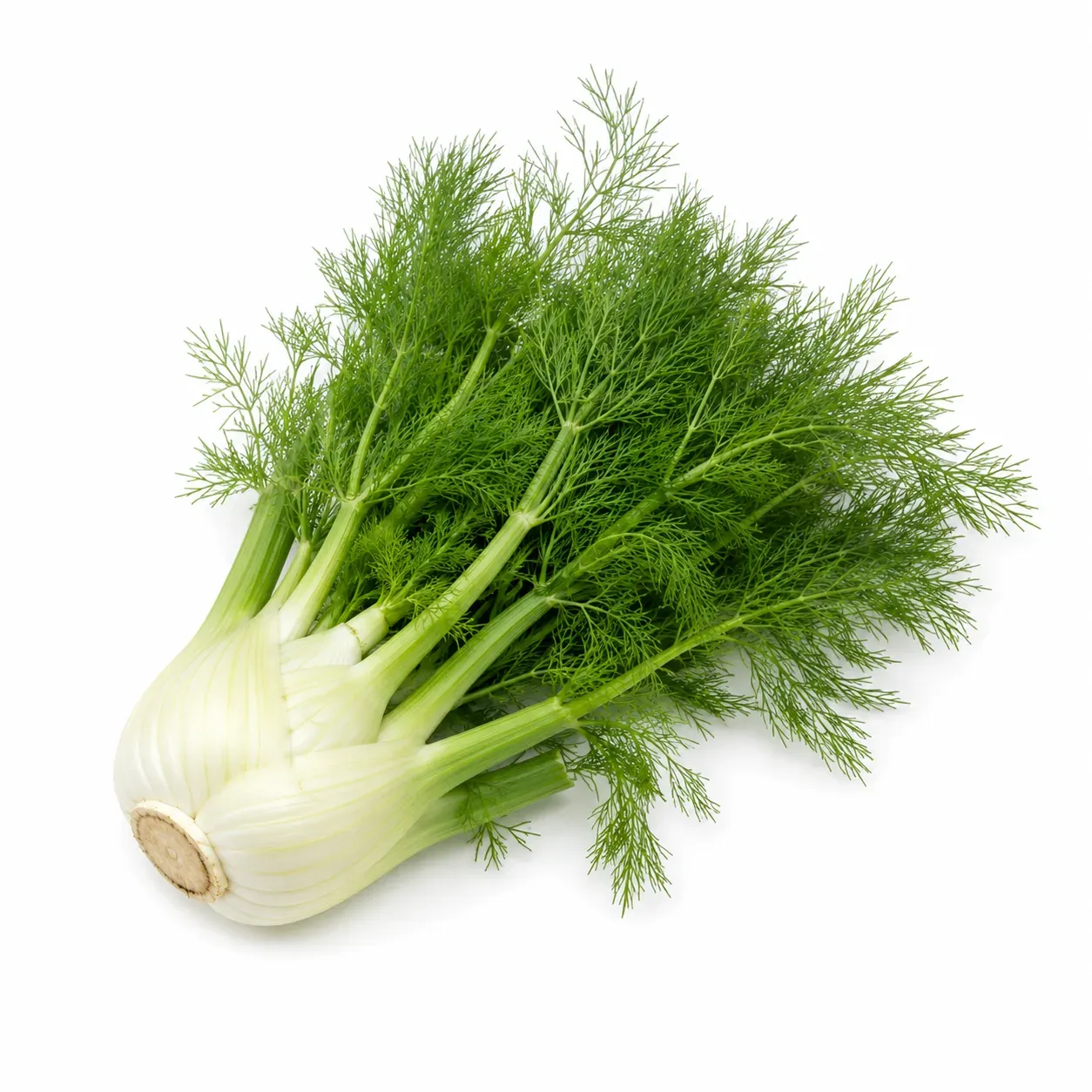
Fennel
Safe and nutritious; best offered as an occasional treat. Seeds are not recommended as they may cause digestive issues
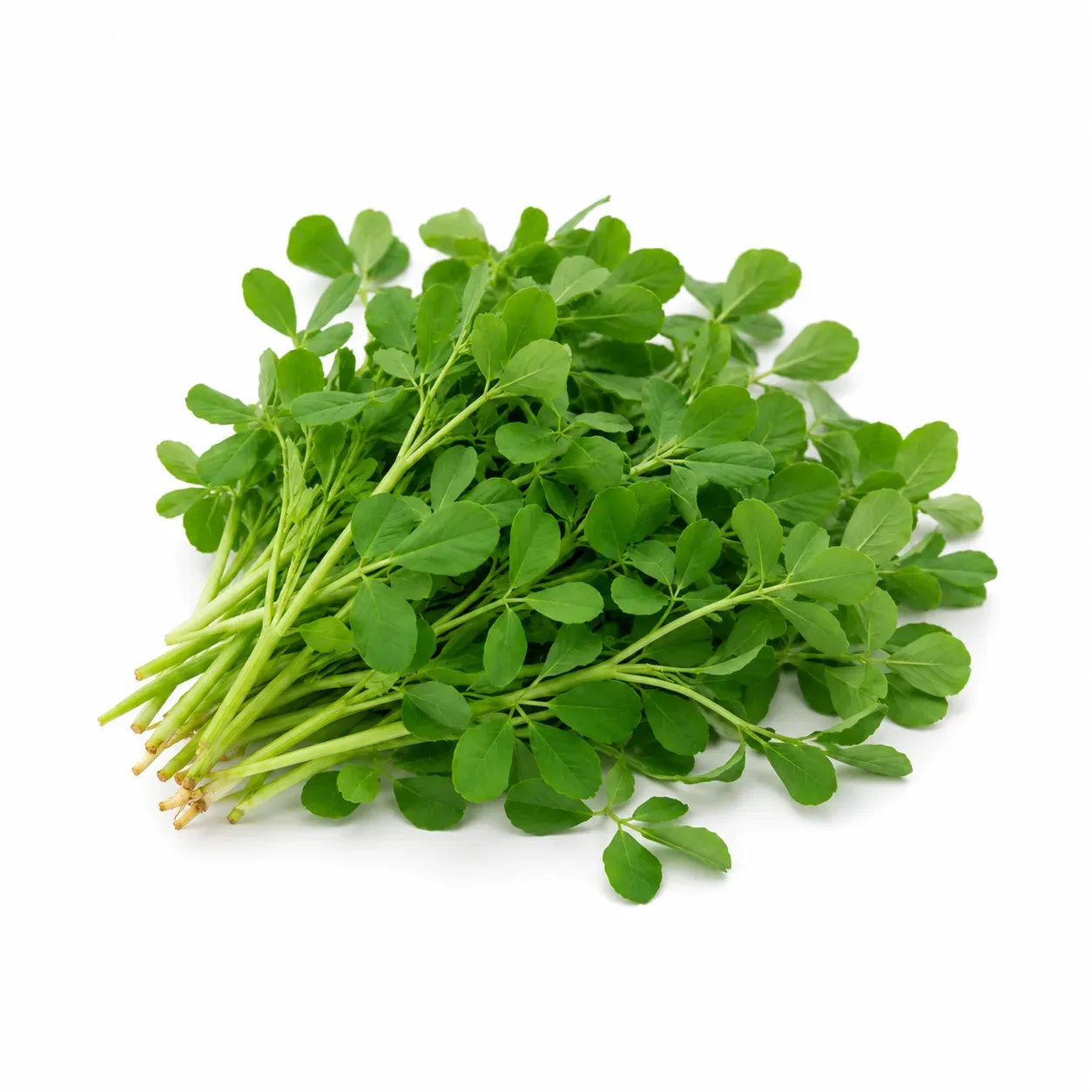
Fenugreek leaves
A healthy natural herb; leaves are safe to eat. Seeds should not be fed.
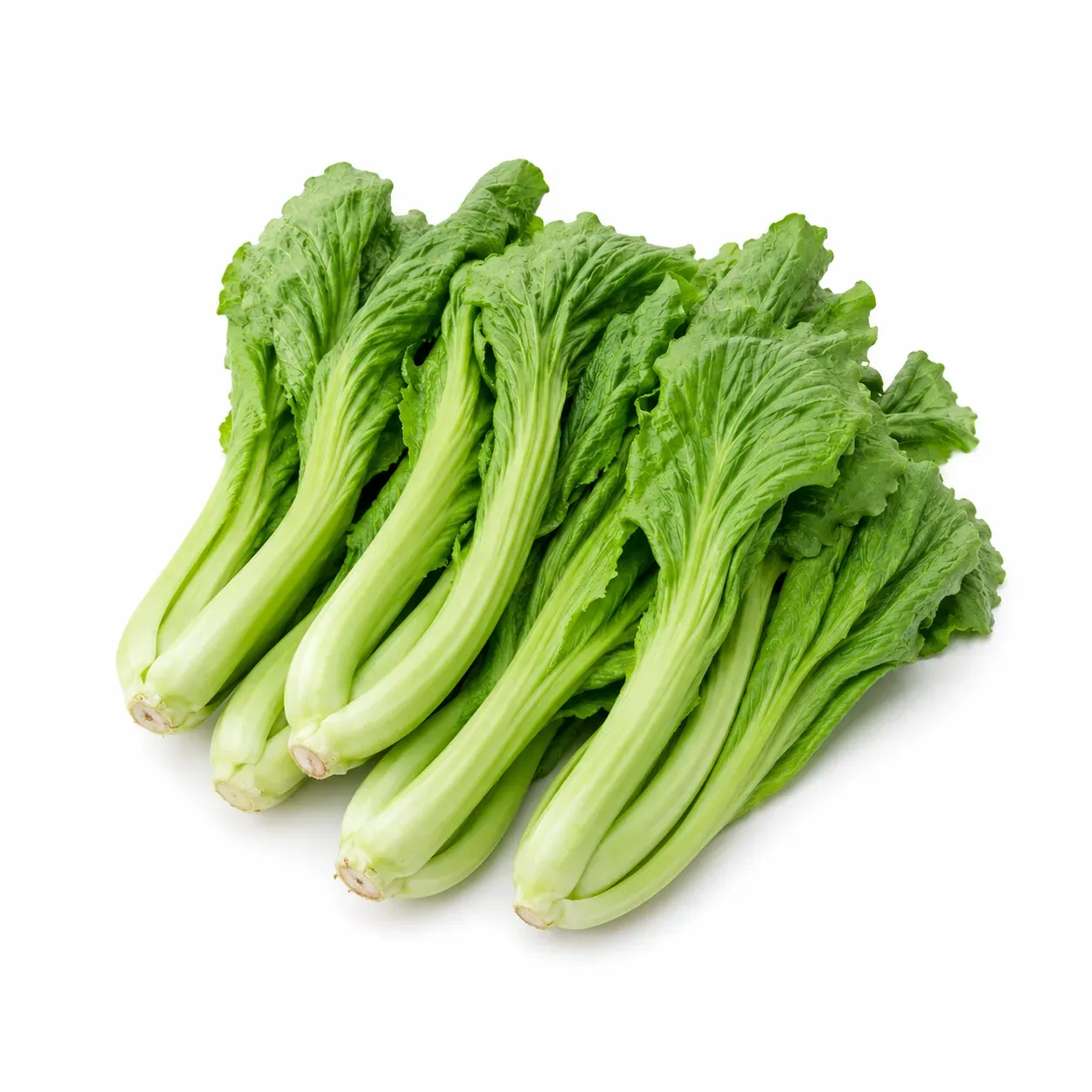
Gai choy / Gai choi / Mustard greens / Kai choi
A nutrient-rich dark leafy green; best mixed with other vegetables
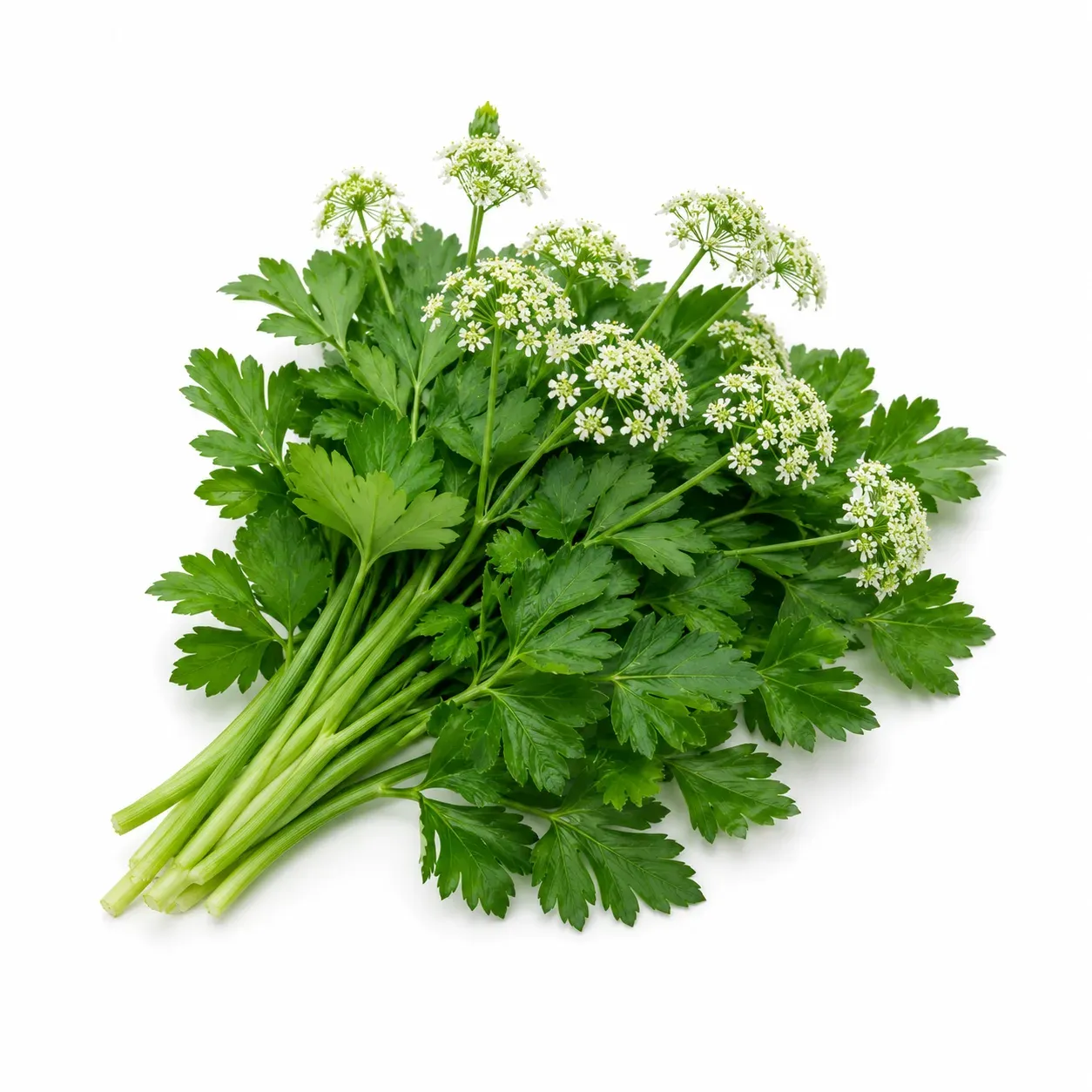
Goutweed (Aegodopium podograria)
A high-moisture leafy green that can be offered as a treat to enrich dietary variety. Wash thoroughly to remove pesticides or parasites, and avoid feeding as the sole vegetable long-term to prevent excess oxalate intake
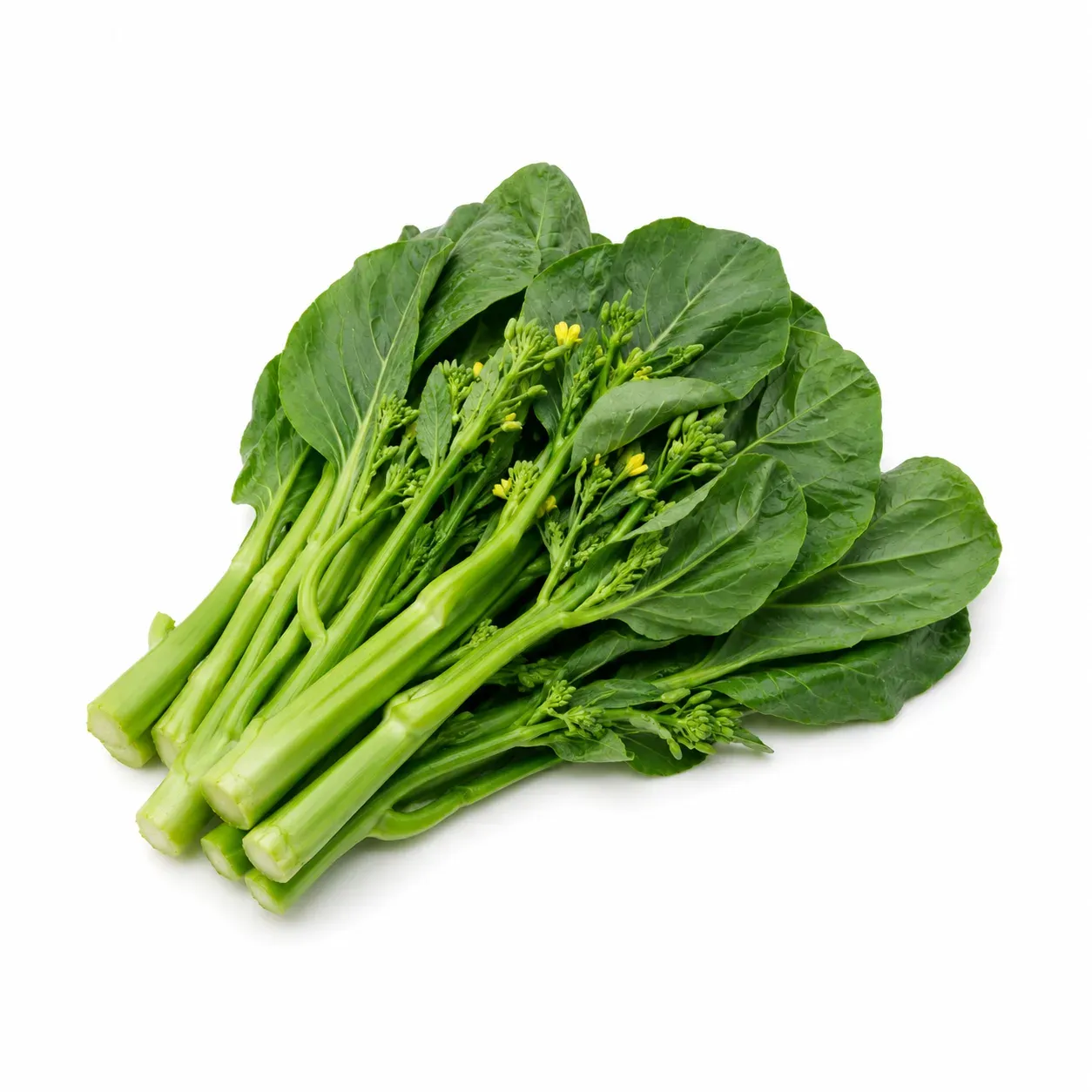
Kai lan / Gai lan (Brassica oleracea var. alboglabra)
Must be given in moderation and washed thoroughly. Kai lan is cruciferous and may cause gas; calcium content is also somewhat high
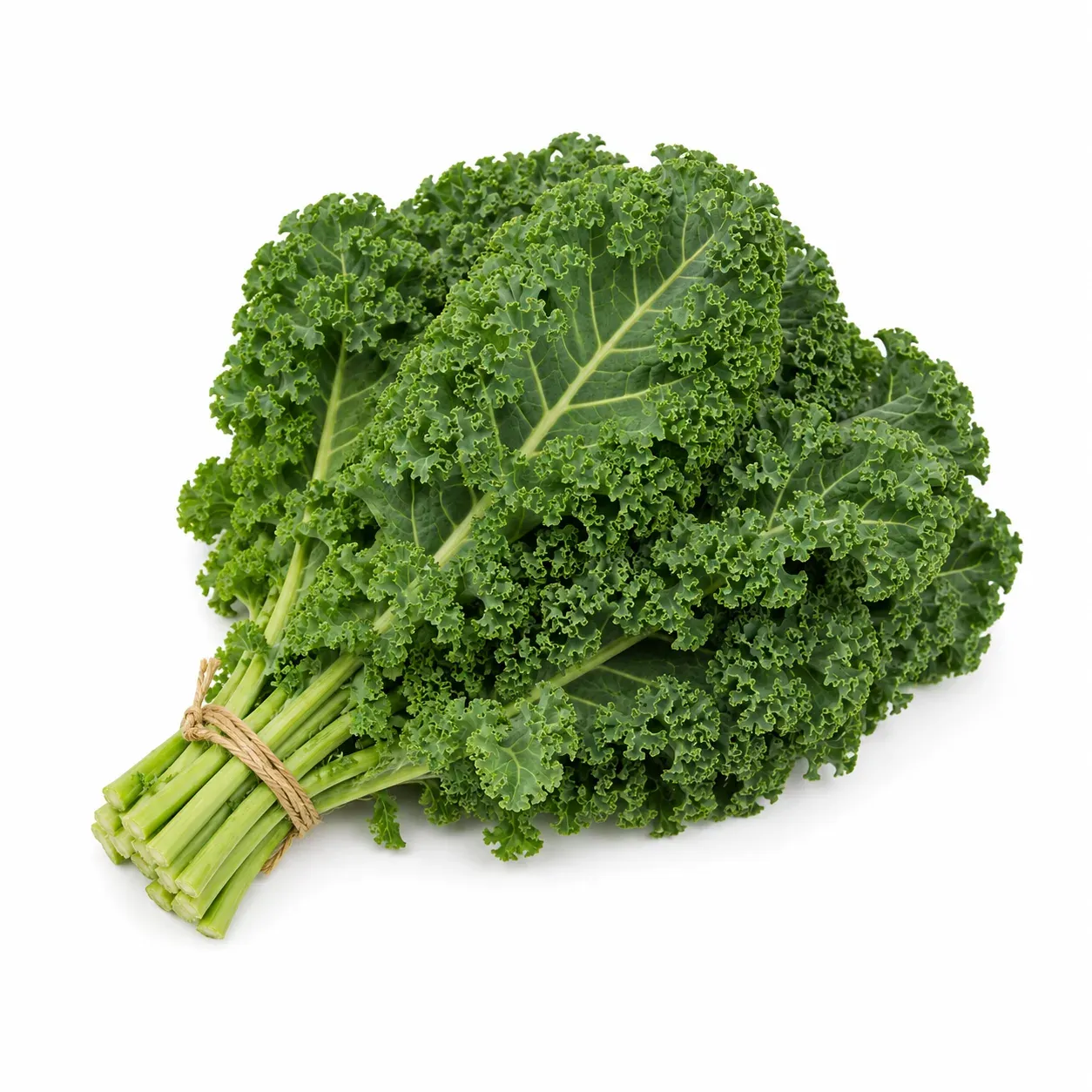
Kale
A high-calcium, high-oxalate leafy green — feed only in small, limited amounts
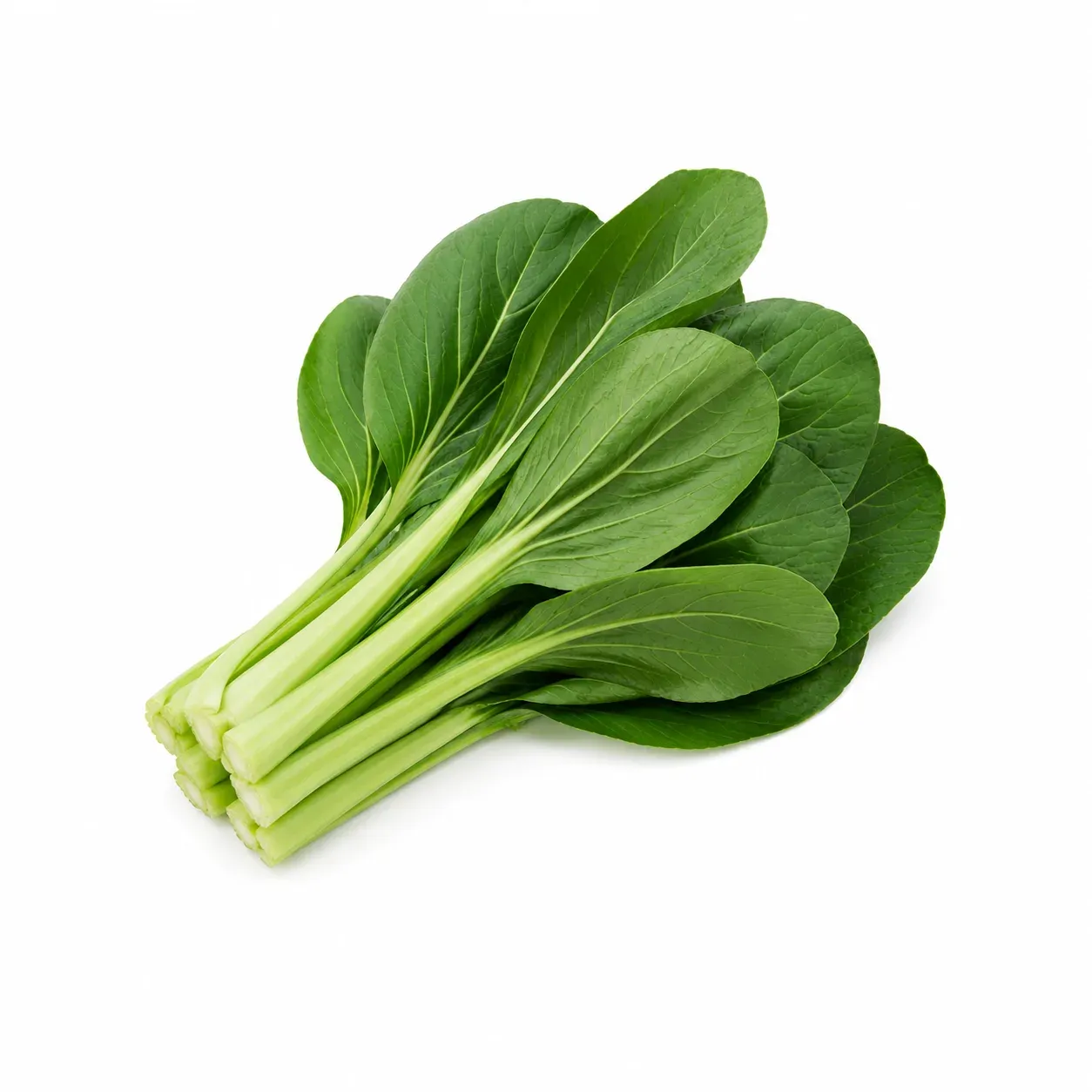
Komatsuna / Mustard spinach
High in calcium — feed only in small, limited amounts
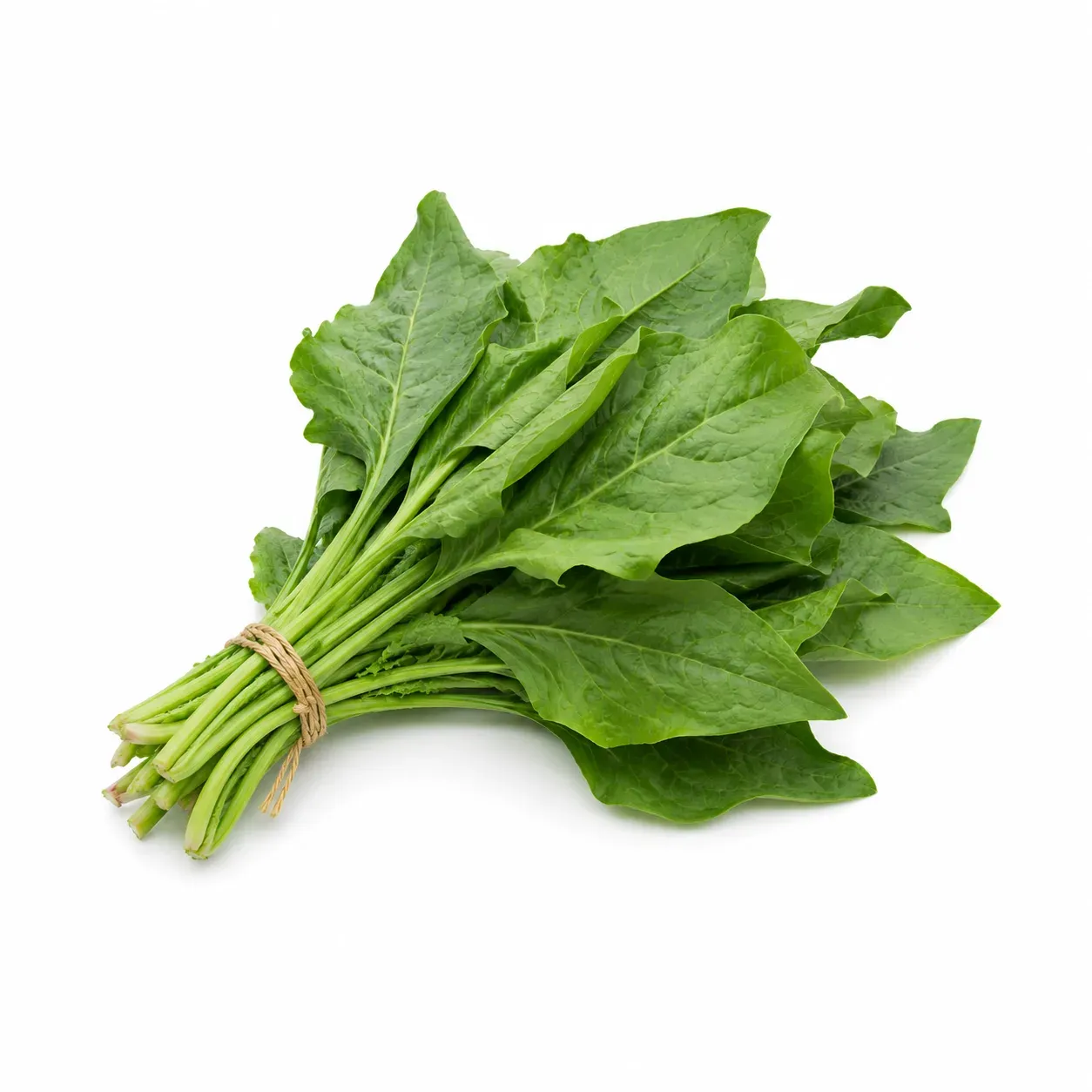
Lamb's quarters / White goosefoot
High in oxalic acid — offer only in small amounts as an occasional foraged treat
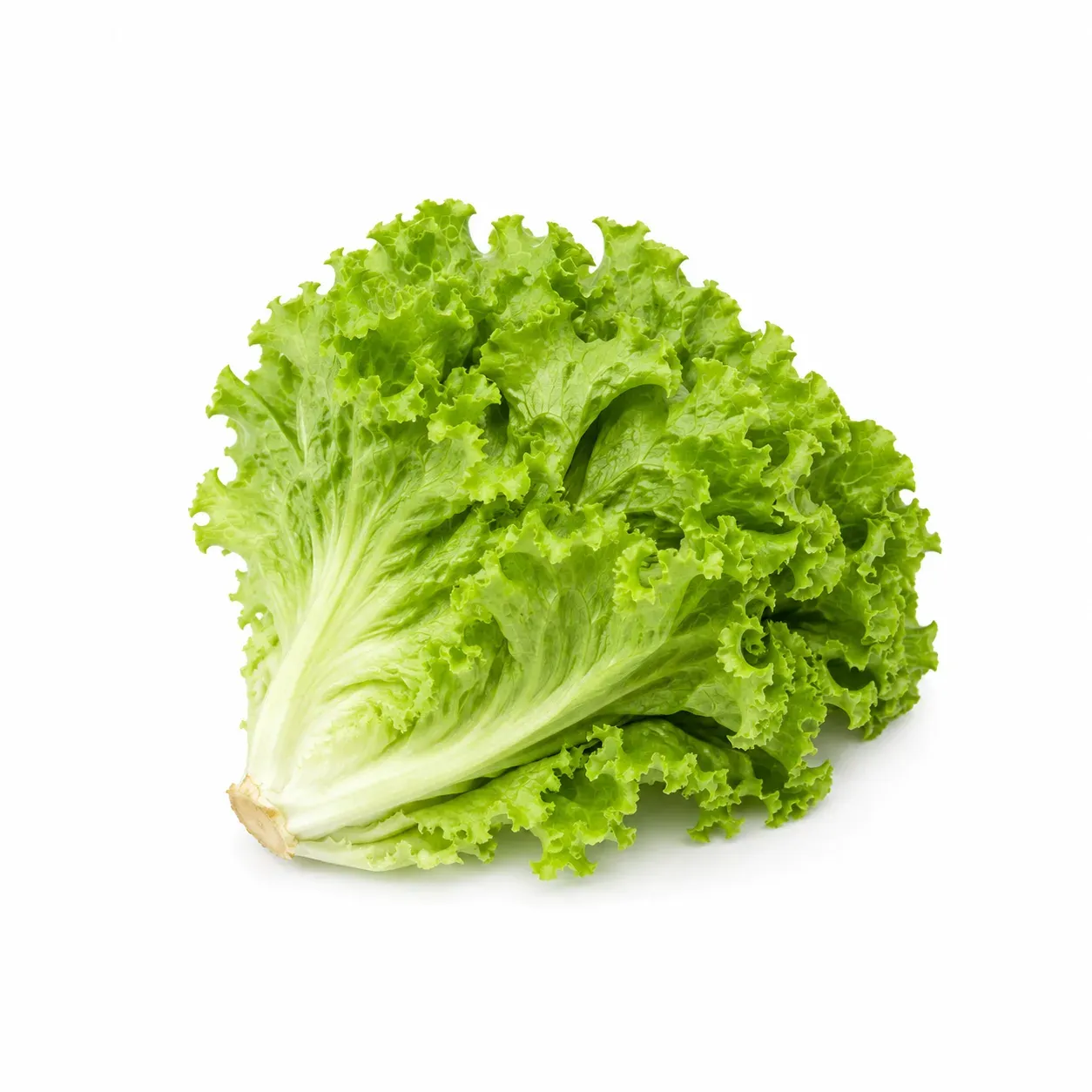
Lettuce
Choose dark-leafy varieties; avoid iceberg
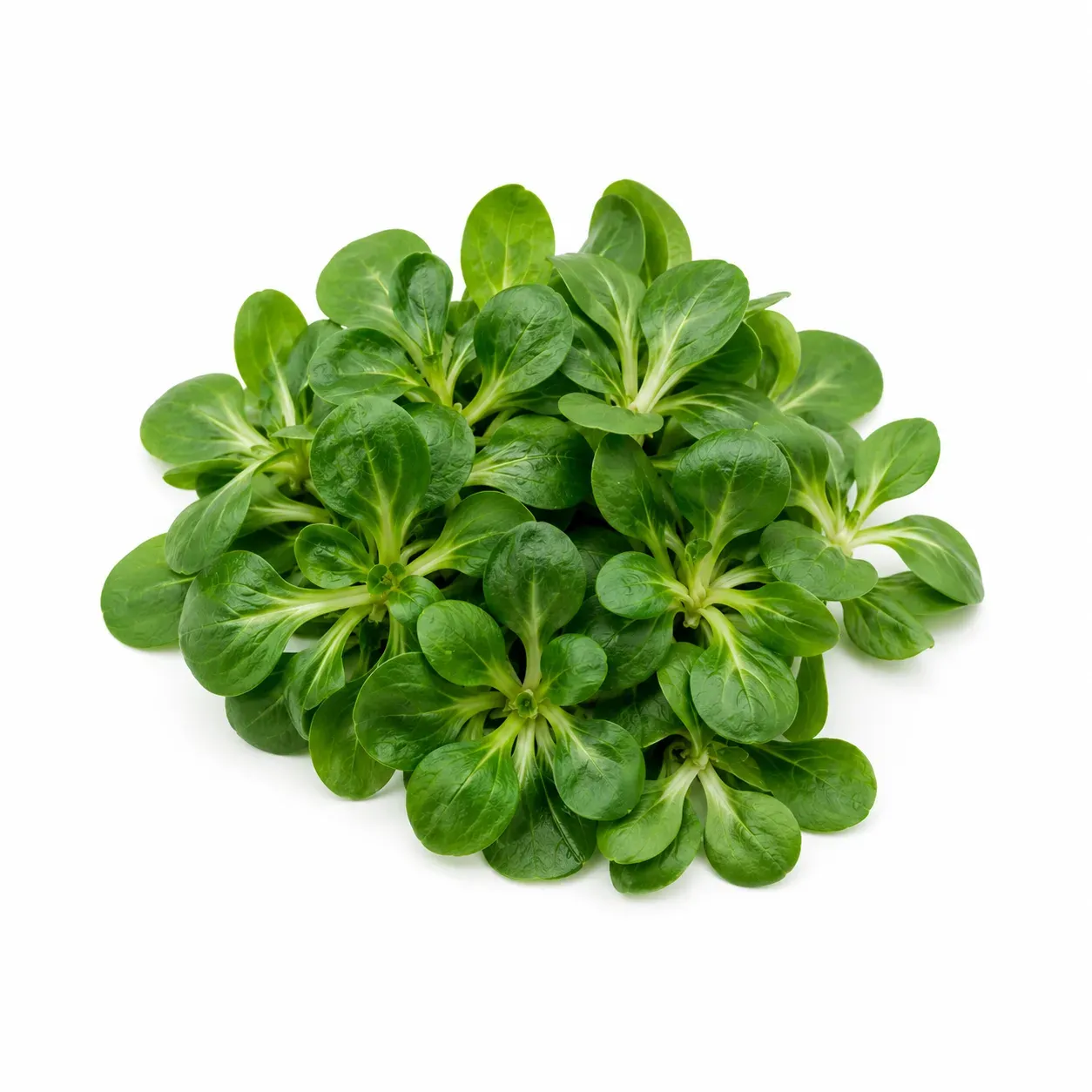
Mache / Corn salad
A nutrient-rich leafy green vegetable, suitable as a daily dietary supplement.
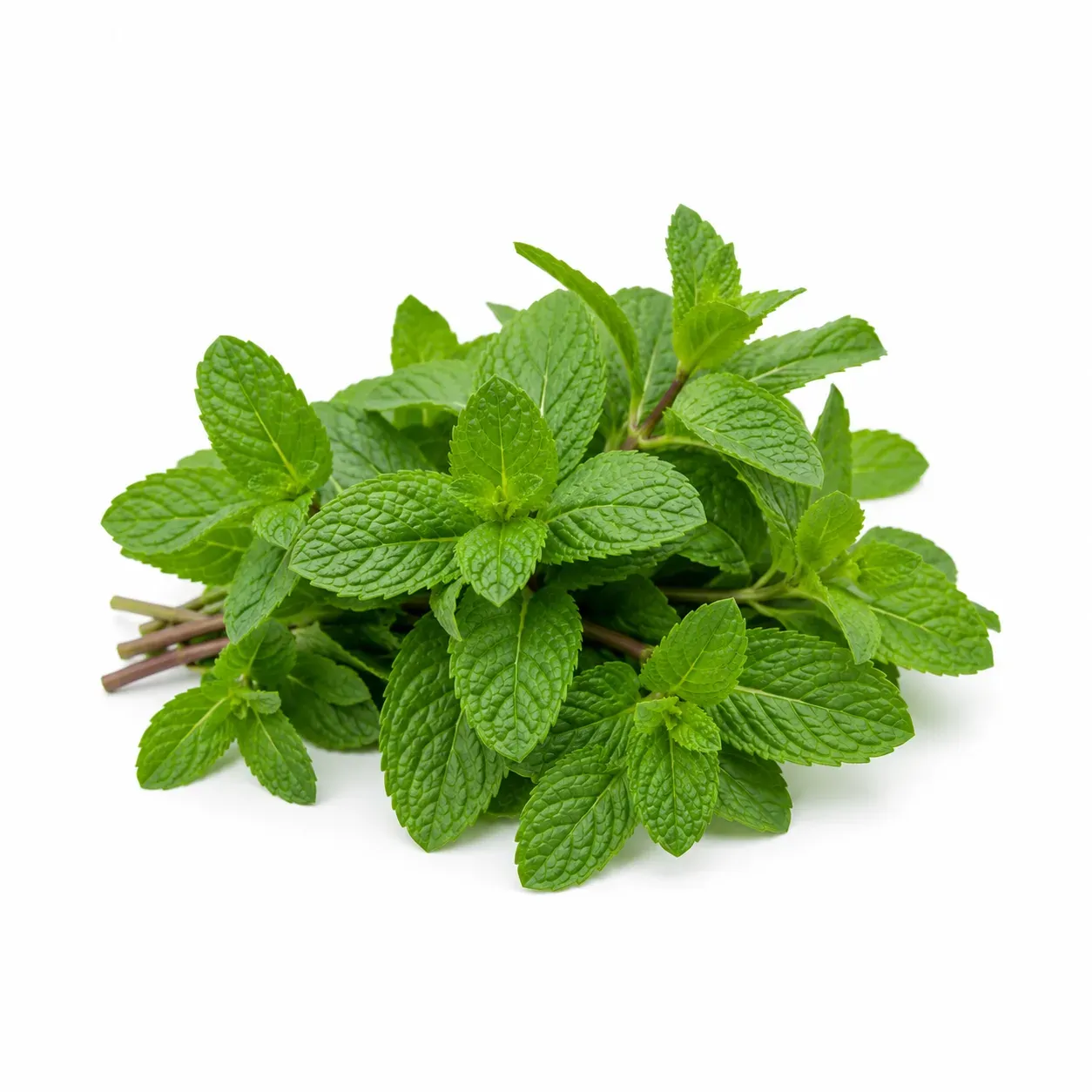
Mint
Mint is a strongly aromatic herb; some rabbits enjoy its scent, but its high concentration of volatile oils may put a strain on the digestive system of some rabbits.
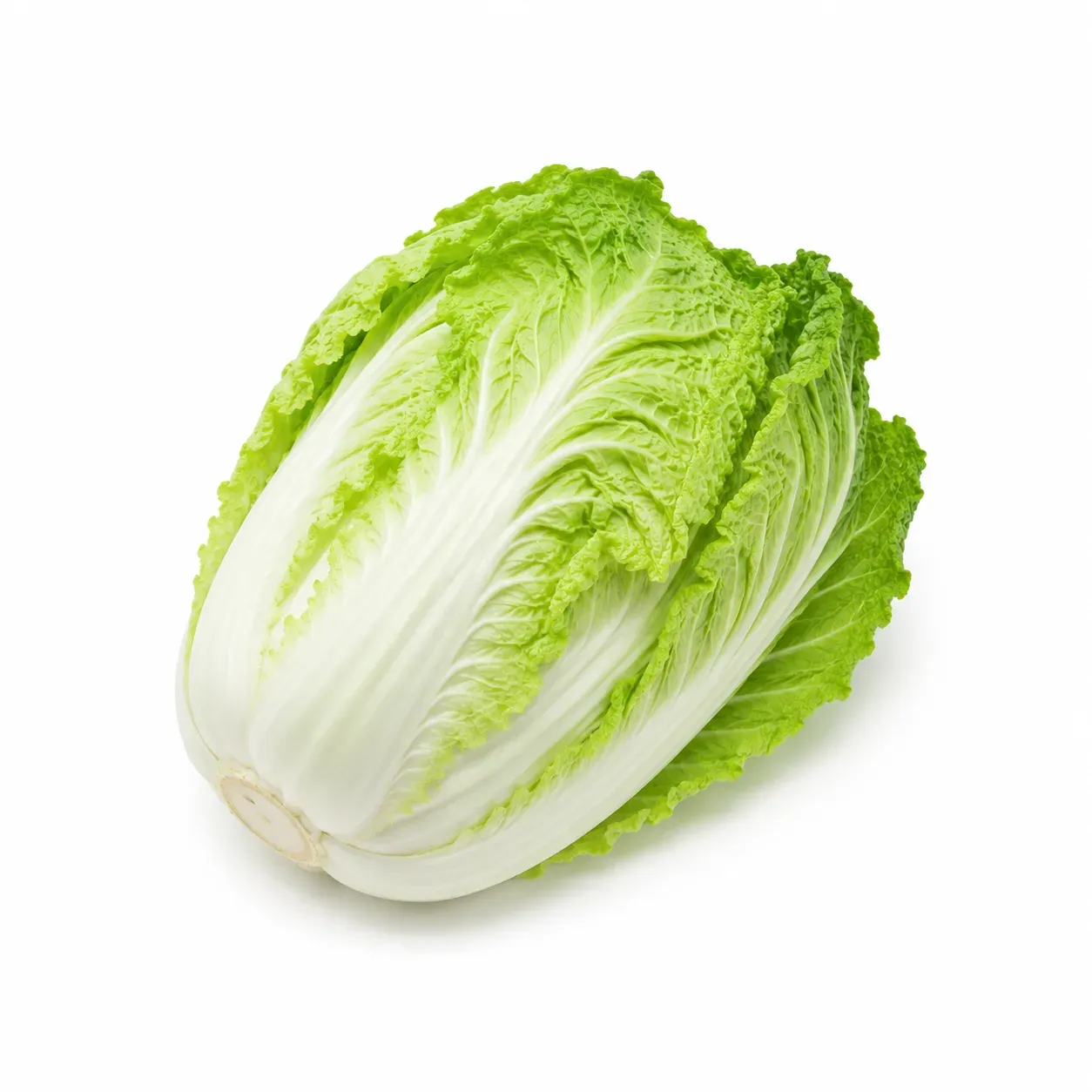
Napa cabbage / Pe tsai
Napa cabbage is a hydrating food for rabbits. It is safe in moderation, but excessive amounts may cause diarrhea, soft stools, or bloating.
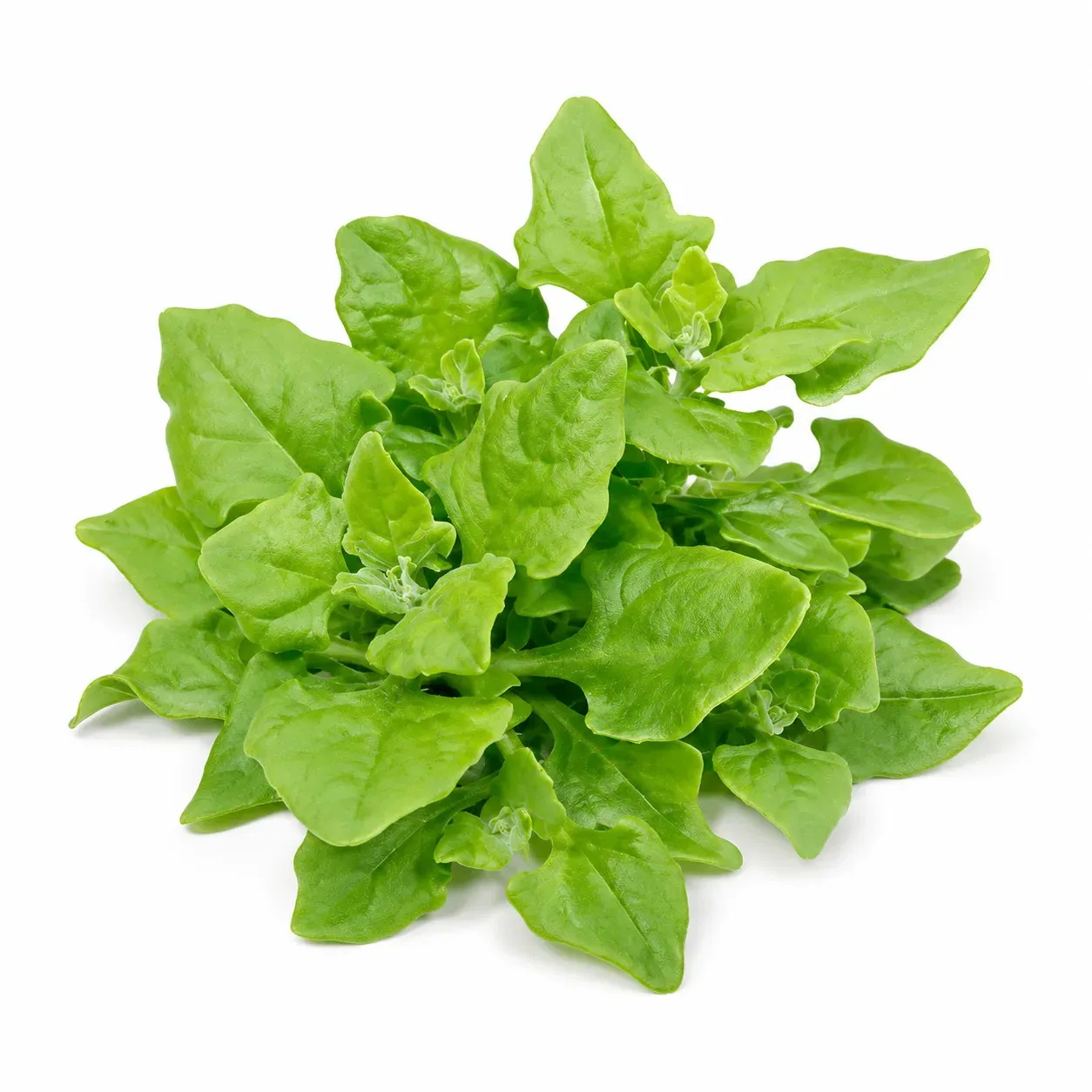
New Zealand spinach
Long-term or excessive feeding may cause urinary problems in rabbits, such as calcium deposits or bladder stones.
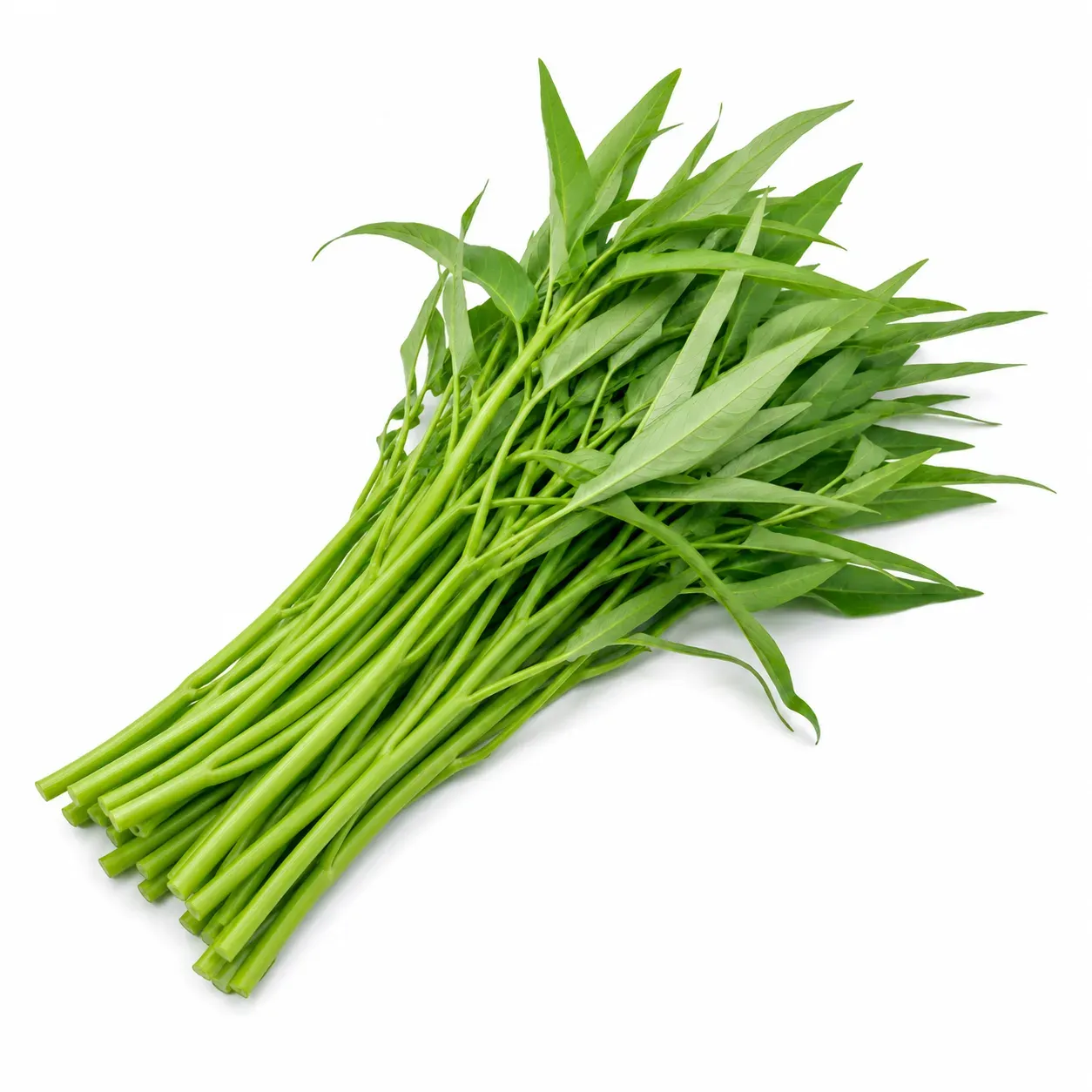
On choy / Water spinach / Kangkong / Kangkung / River spinach / Water morning glory / Water convolvulus
Rich in vitamins and fiber; suitable as a treat or supplementary food
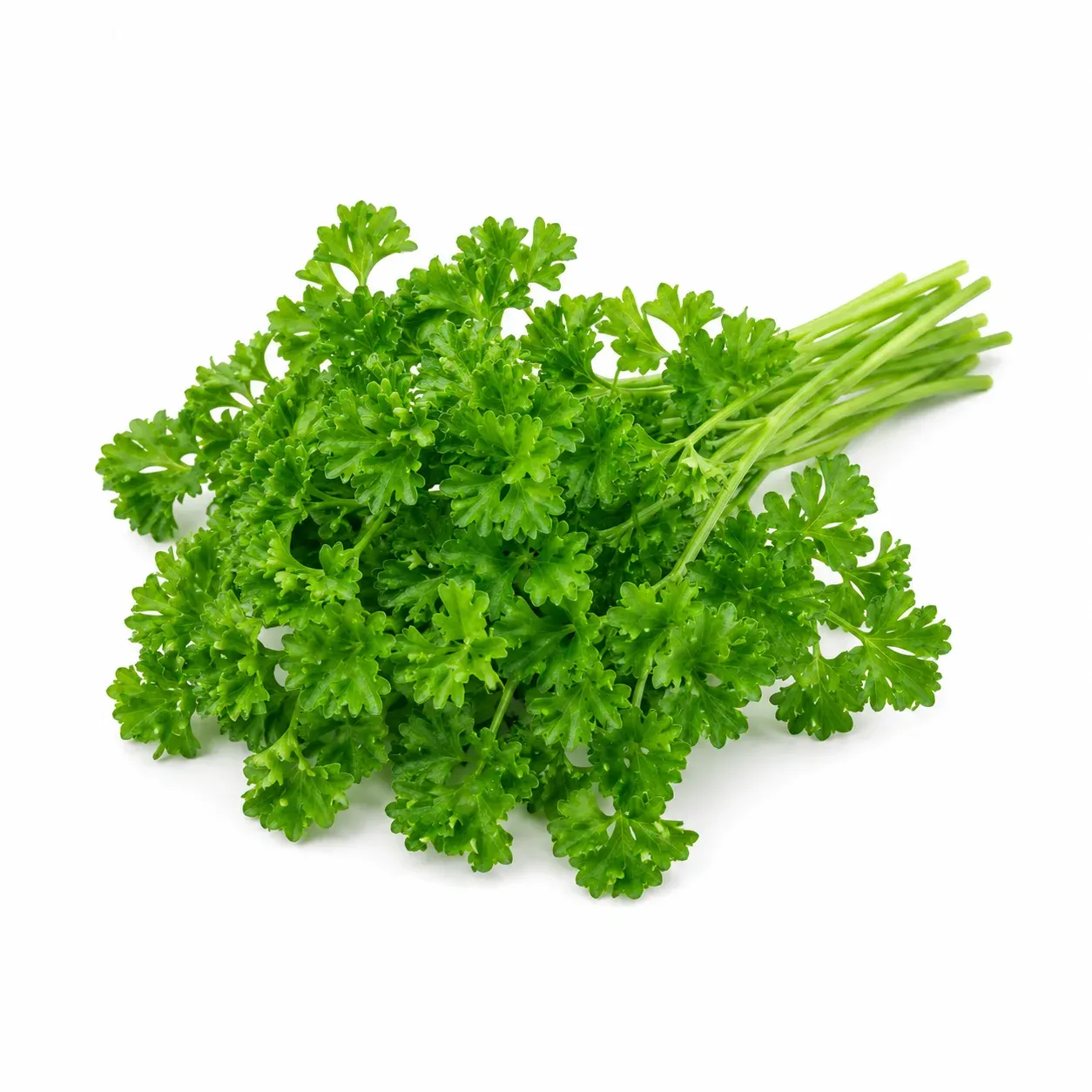
Parsley (Petroselinum crispum)
Rabbits usually enjoy it, but it is high in calcium — avoid overfeeding.
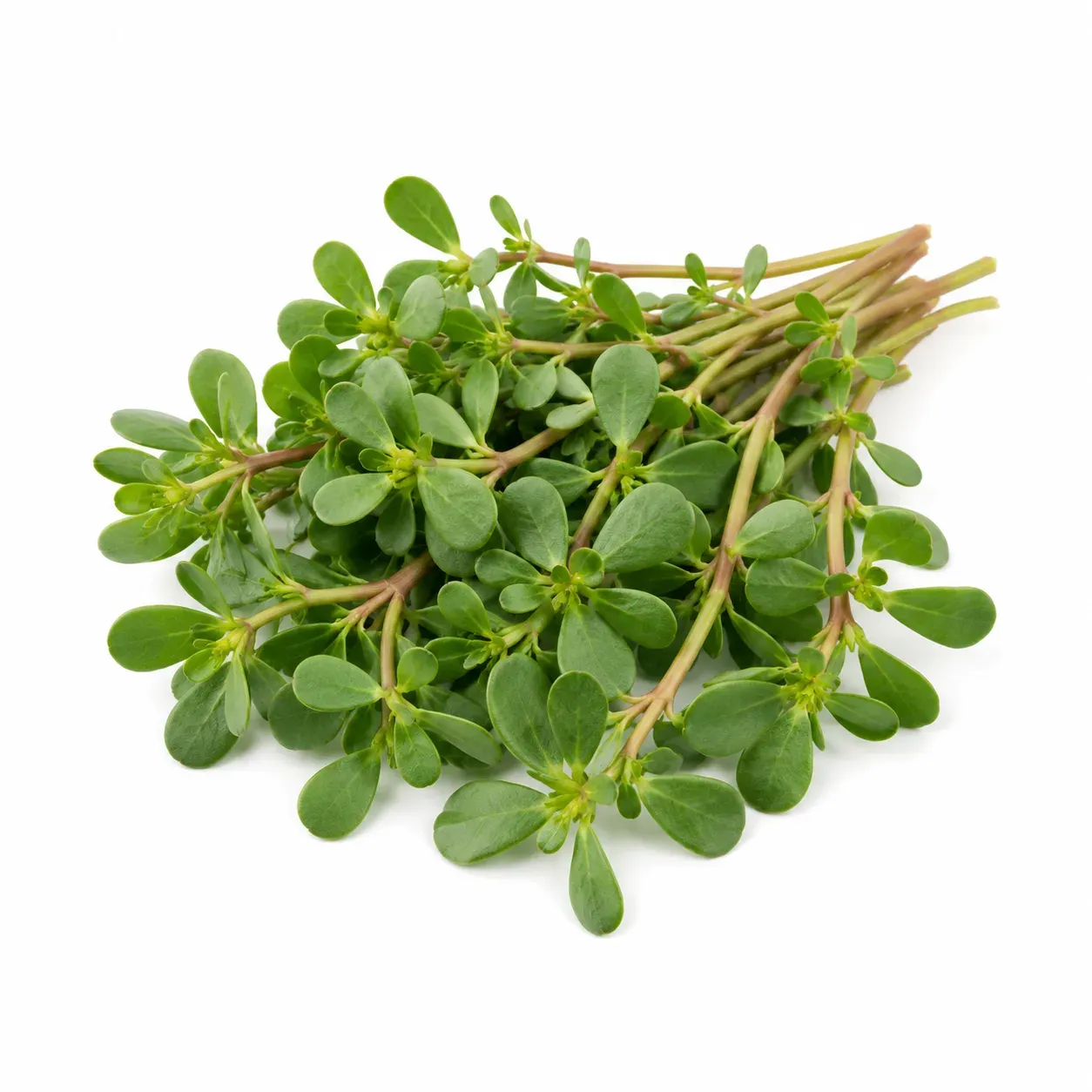
Purslane (Portulaca oleracea)
Can only be offered as an occasional treat or supplement — small amounts only
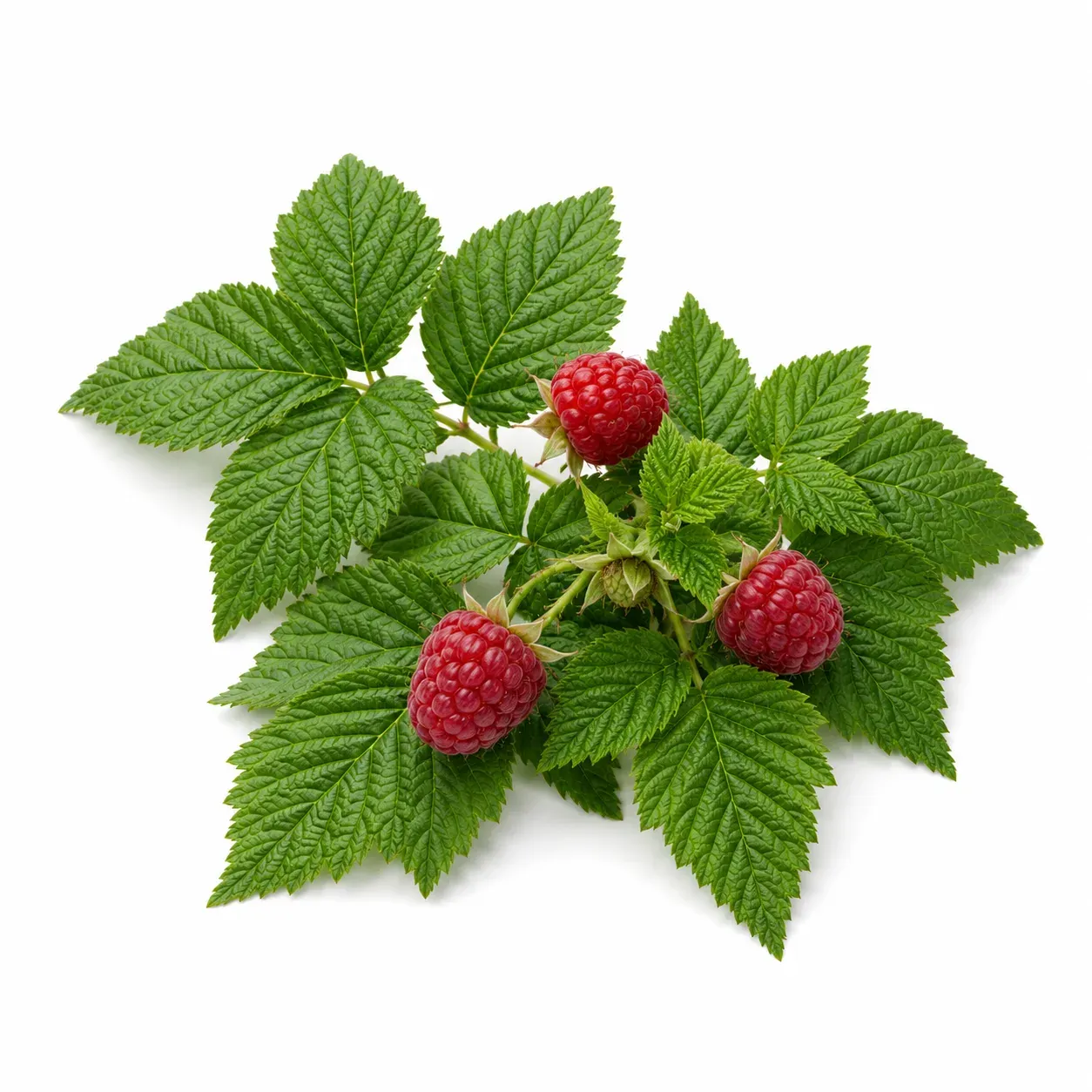
Raspberry leaves (Rubus spp.)
Raspberry leaves are a highly beneficial natural herbal supplement for rabbits
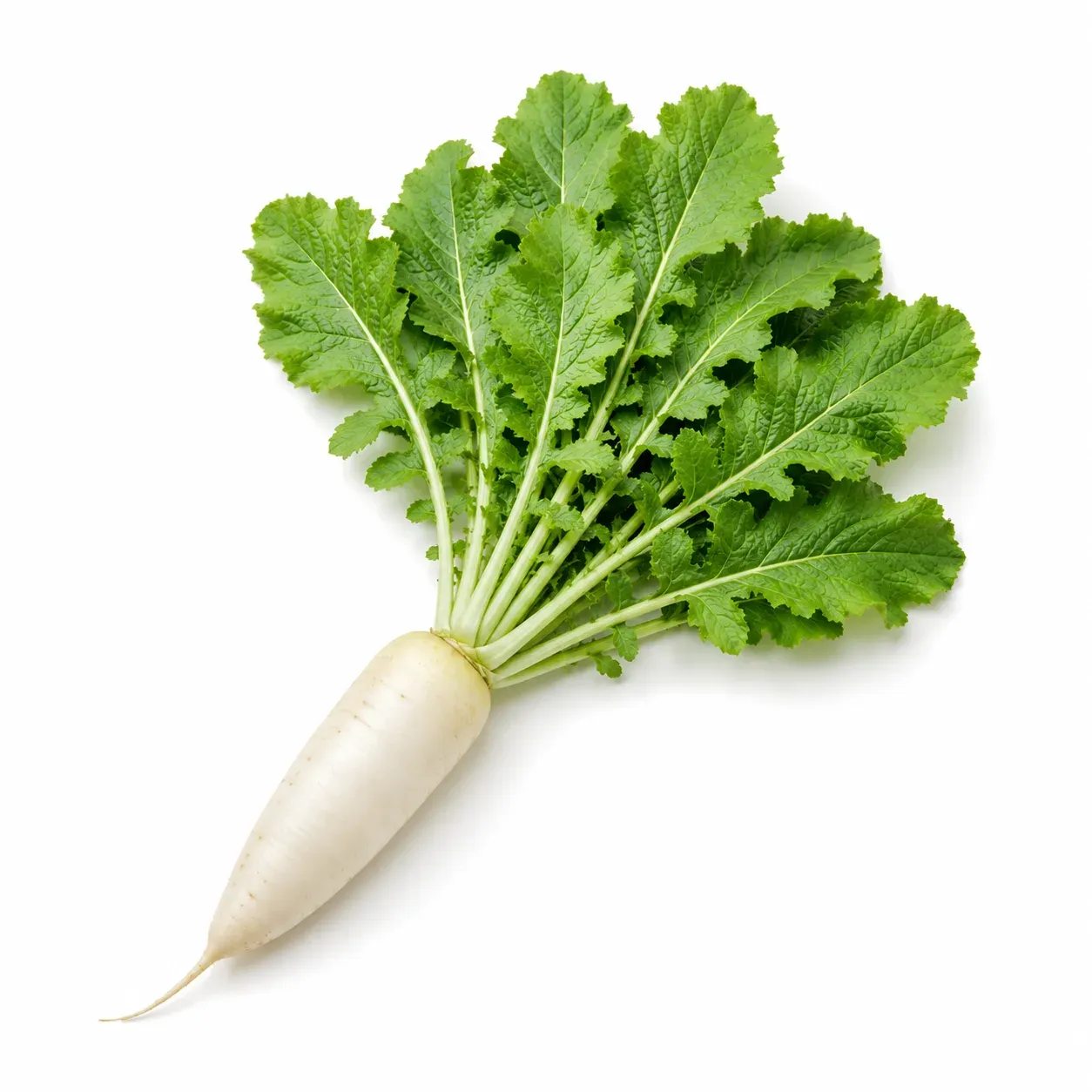
Radish tops (Raphanus sativus)
Fresh radish tops are a leafy green that rabbits love, rich in fiber, vitamins, and calcium
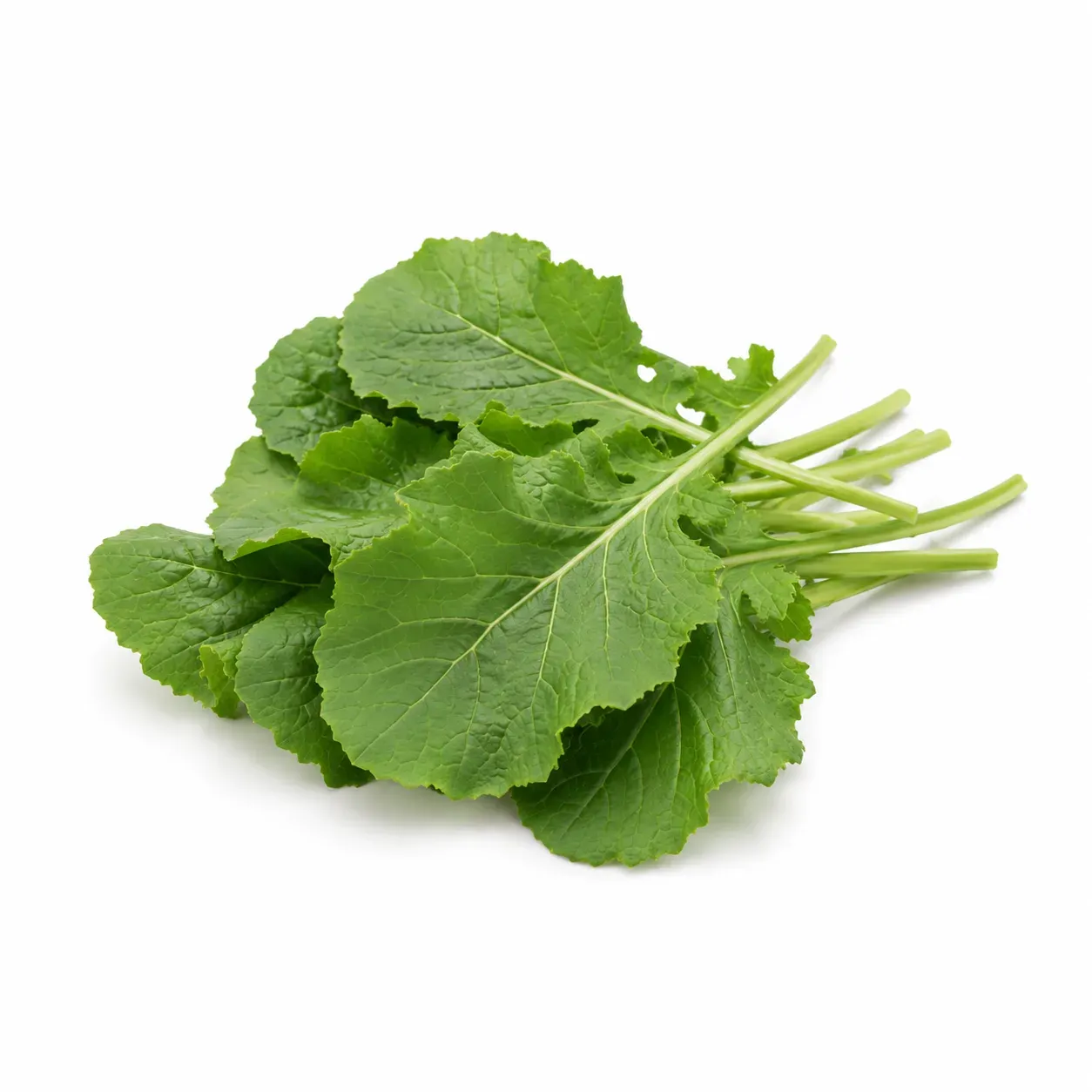
Rutabaga greens (Brassica napobrassica)
良好的營養補充來源。屬於十字花科,葉子與根莖餵食過多容易引起腸胃脹氣
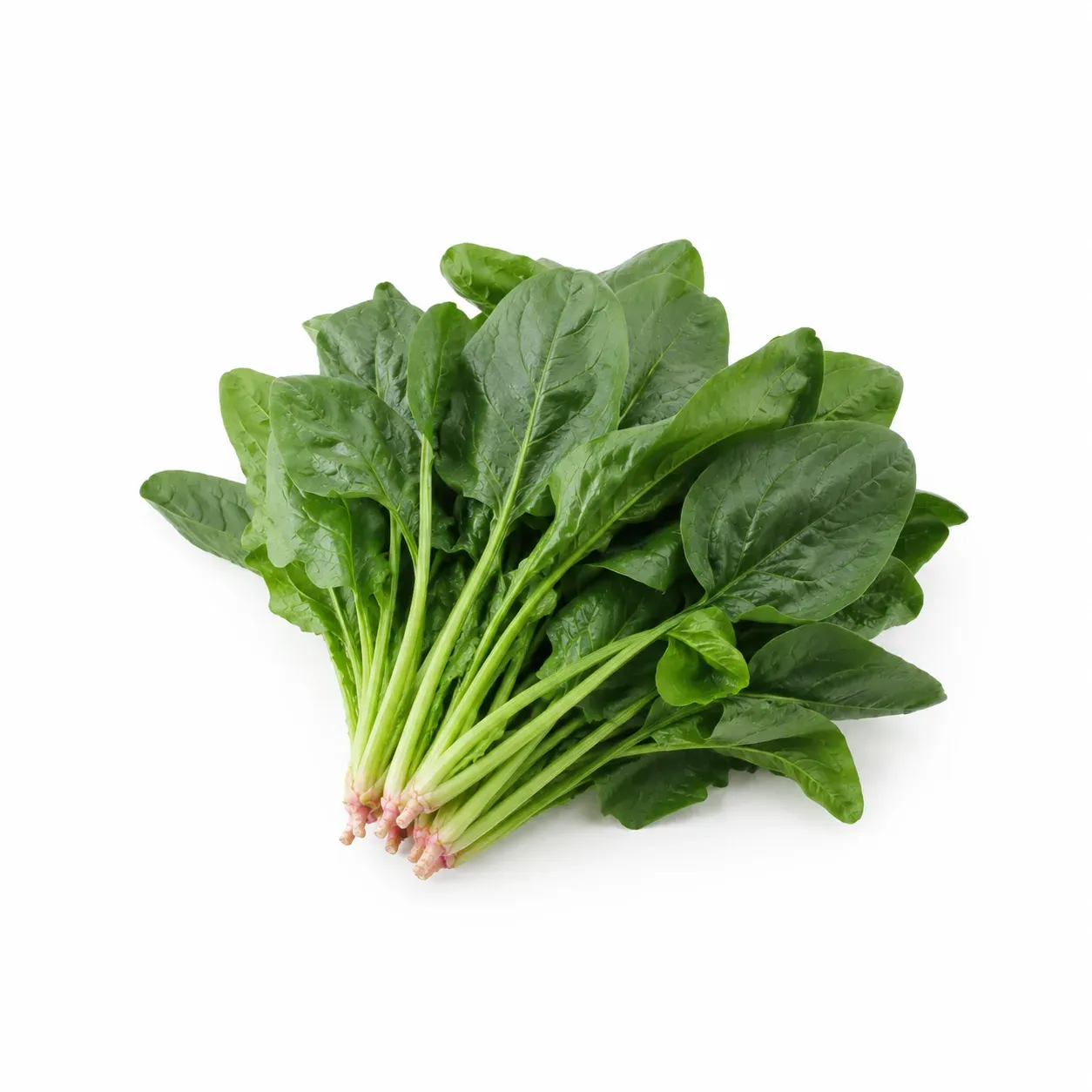
Spinach (Spinacia oleracea)
含有較高的「草酸」,過量食用容易與鈣質結合,導致兔子產生尿道結石或腎臟問題
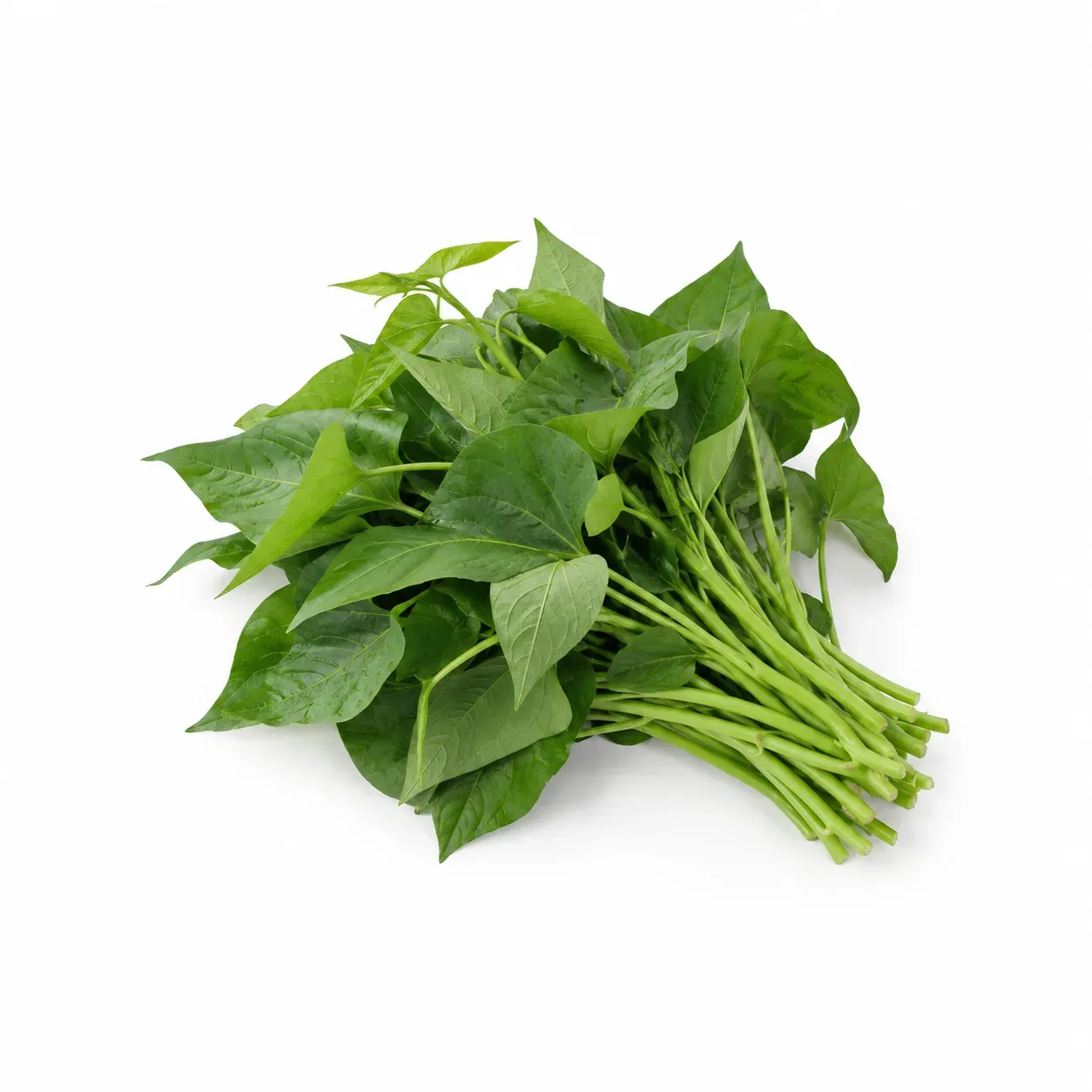
Sweet potato vines
吃太多可能會影響鈣質吸收或導致脹氣
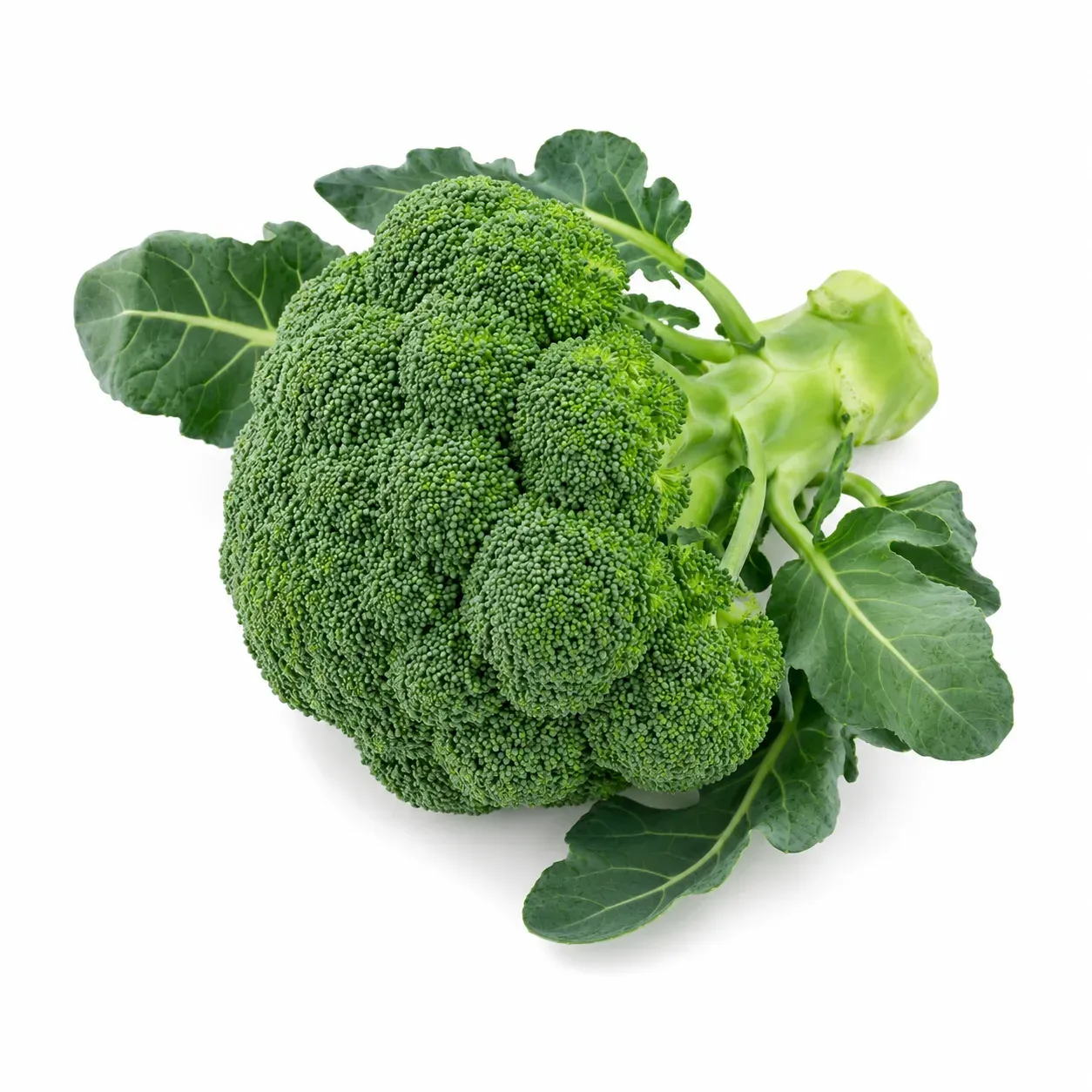
Broccoli
Rabbits prefer the tender leaves of broccoli; the florets are also acceptable.
Choose high-fiber timothy-based pellets (at least 18% fiber). Avoid fancy mixes with nuts or seeds.
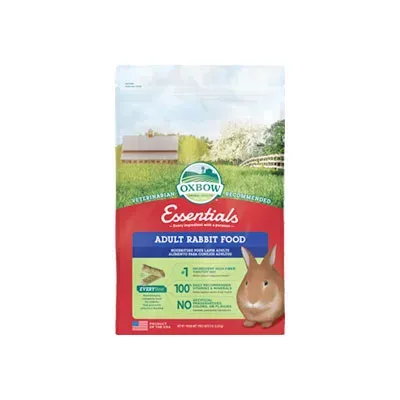
Oxbow Essentials
Top US brand
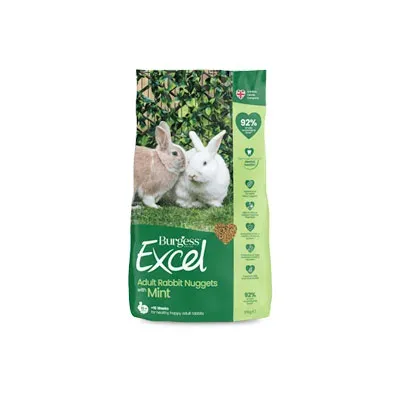
Burgess Excel
UK established brand
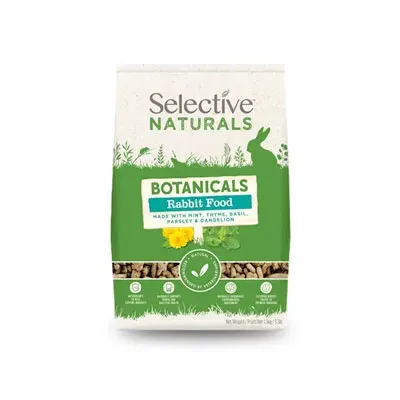
Supreme® Selective Naturals Botanicals Rabbit Food
High fiber formula
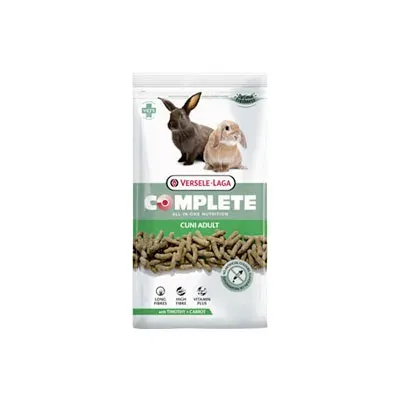
Versele-Laga® Complete Cuni Adult
Belgian brand
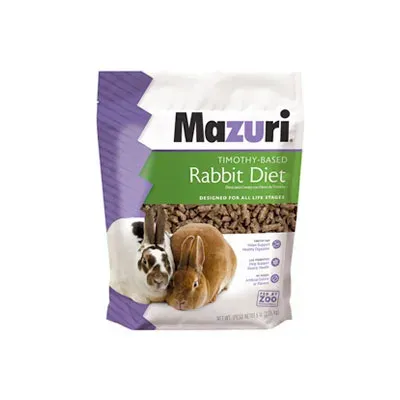
Mazuri® Timothy-Hay Based Rabbit Diet
Zoo-grade quality
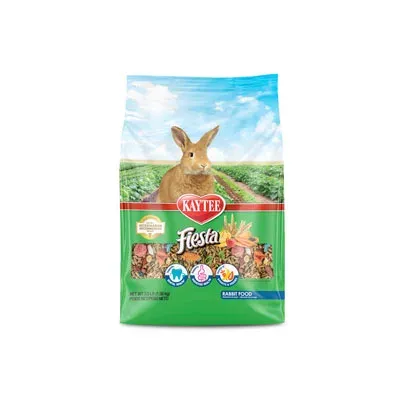
Kaytee® Fiesta Rabbit Food
Well-known US brand
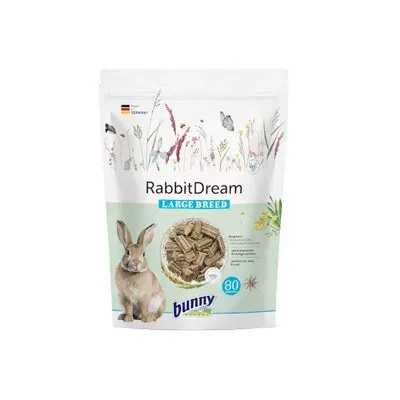
Bunny Nature® RabbitDream LARGE BREED
German brand
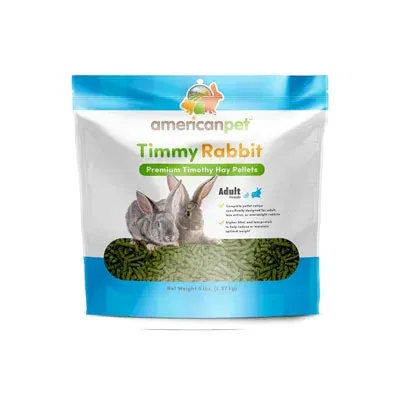
APD® Timmy Rabbit Pellets
US brand
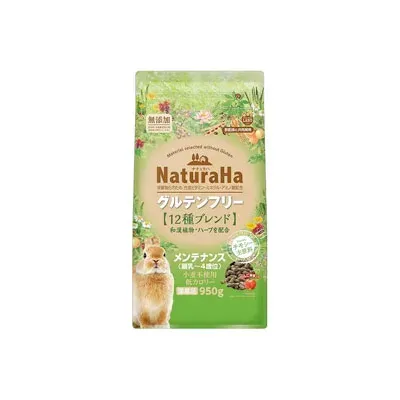
MARUKAN® Naturaha 12-Ingredient Mixed Rabbit Food
Japanese brand
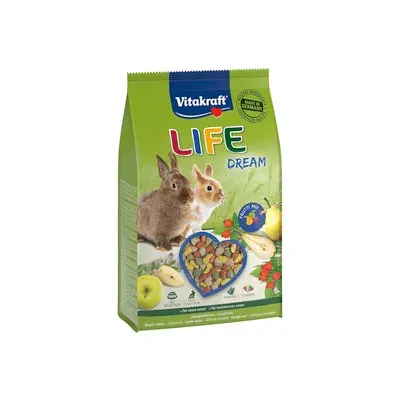
Vitakraft Life Dream
German brand
All fruits are high in sugar and should be treats only. Offer very small amounts 1-2 times per week.
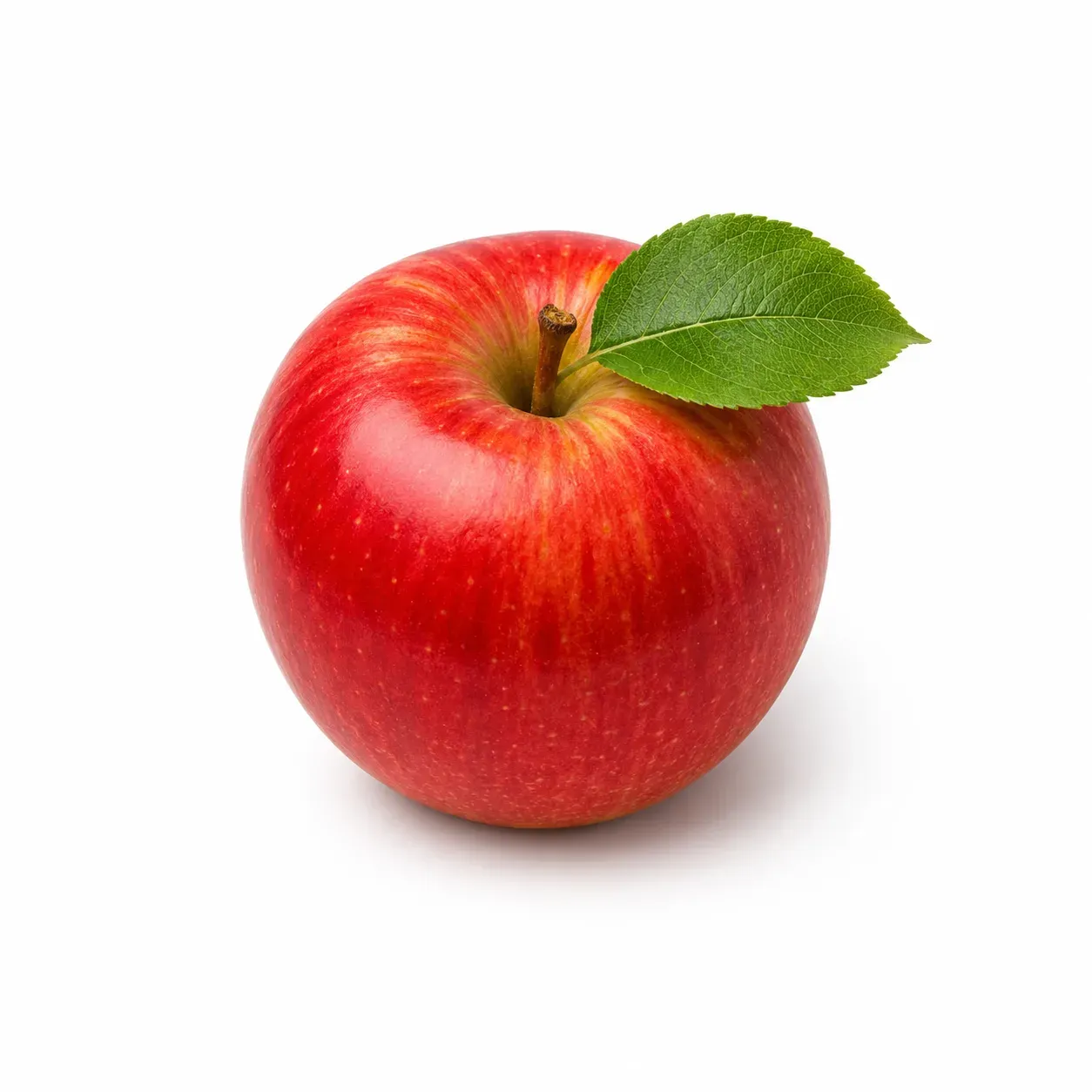
Apple
Remove seeds
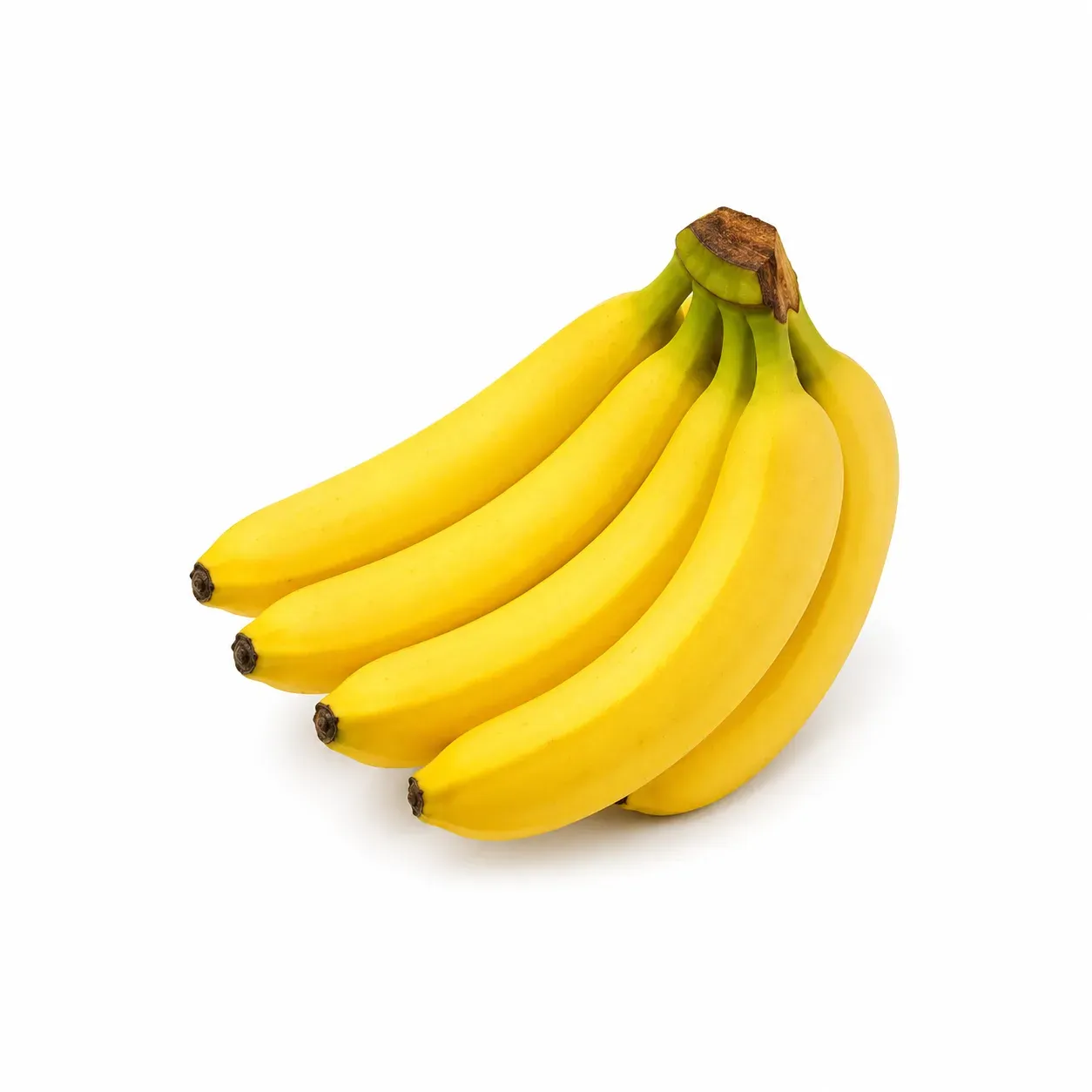
Banana
High sugar
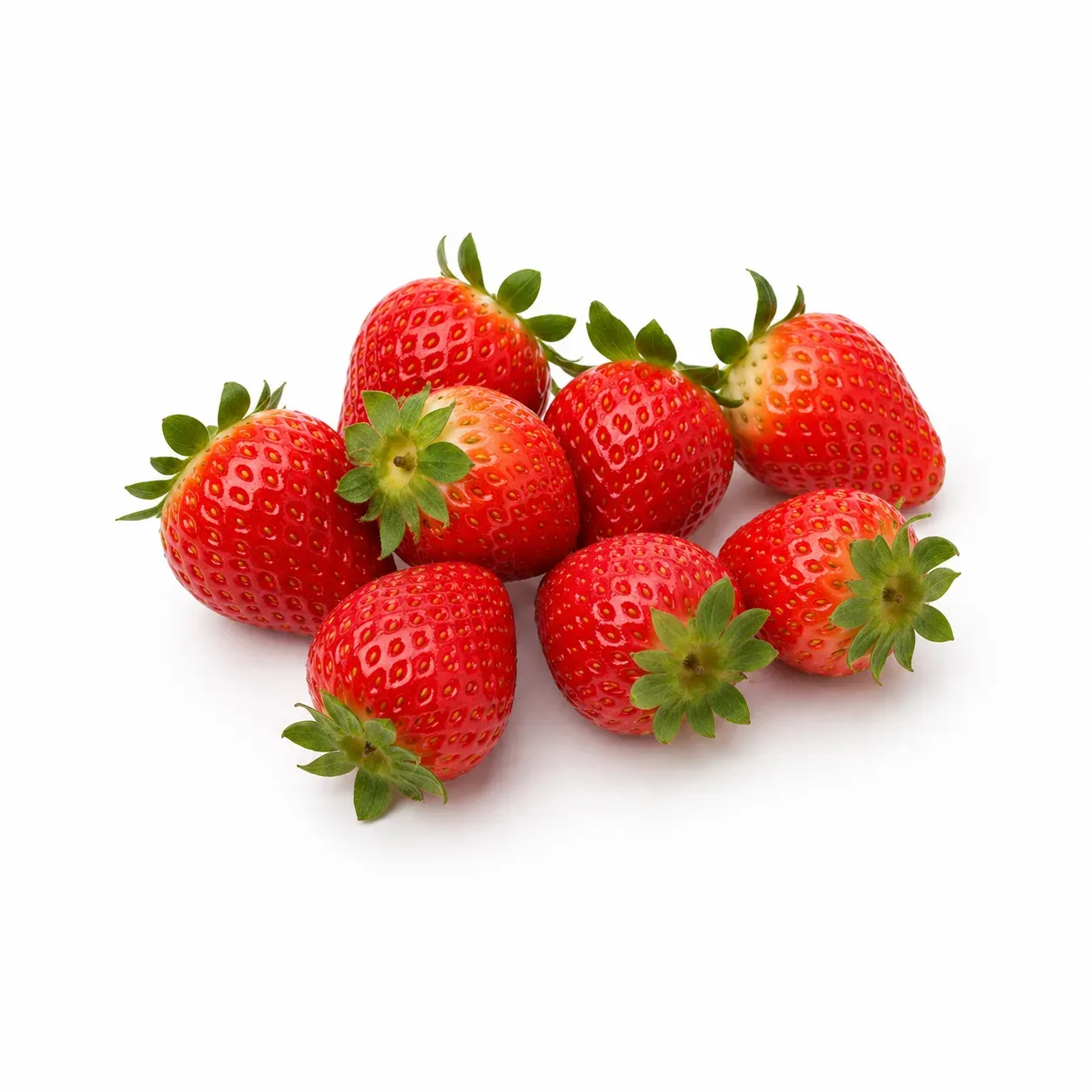
Strawberry
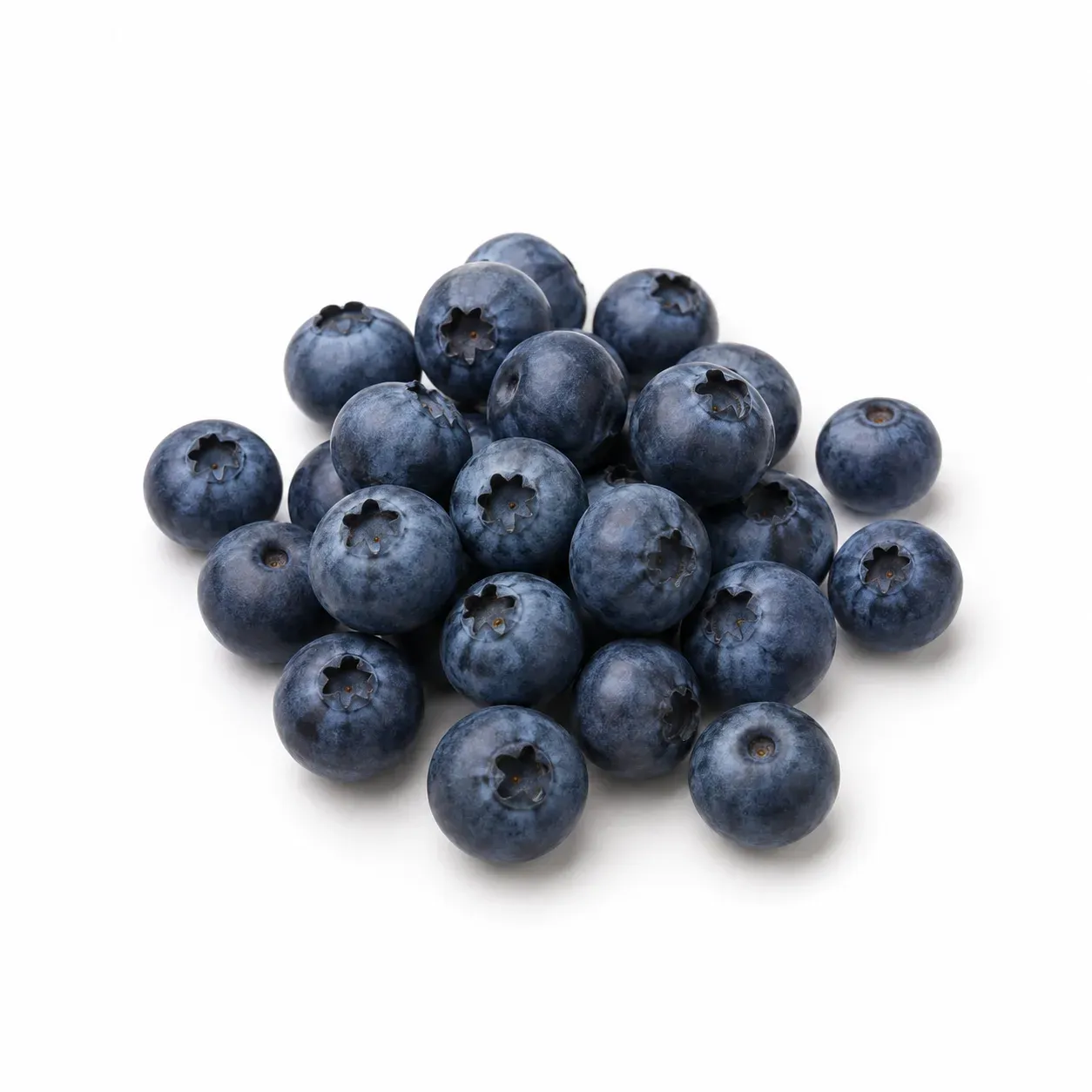
Blueberry
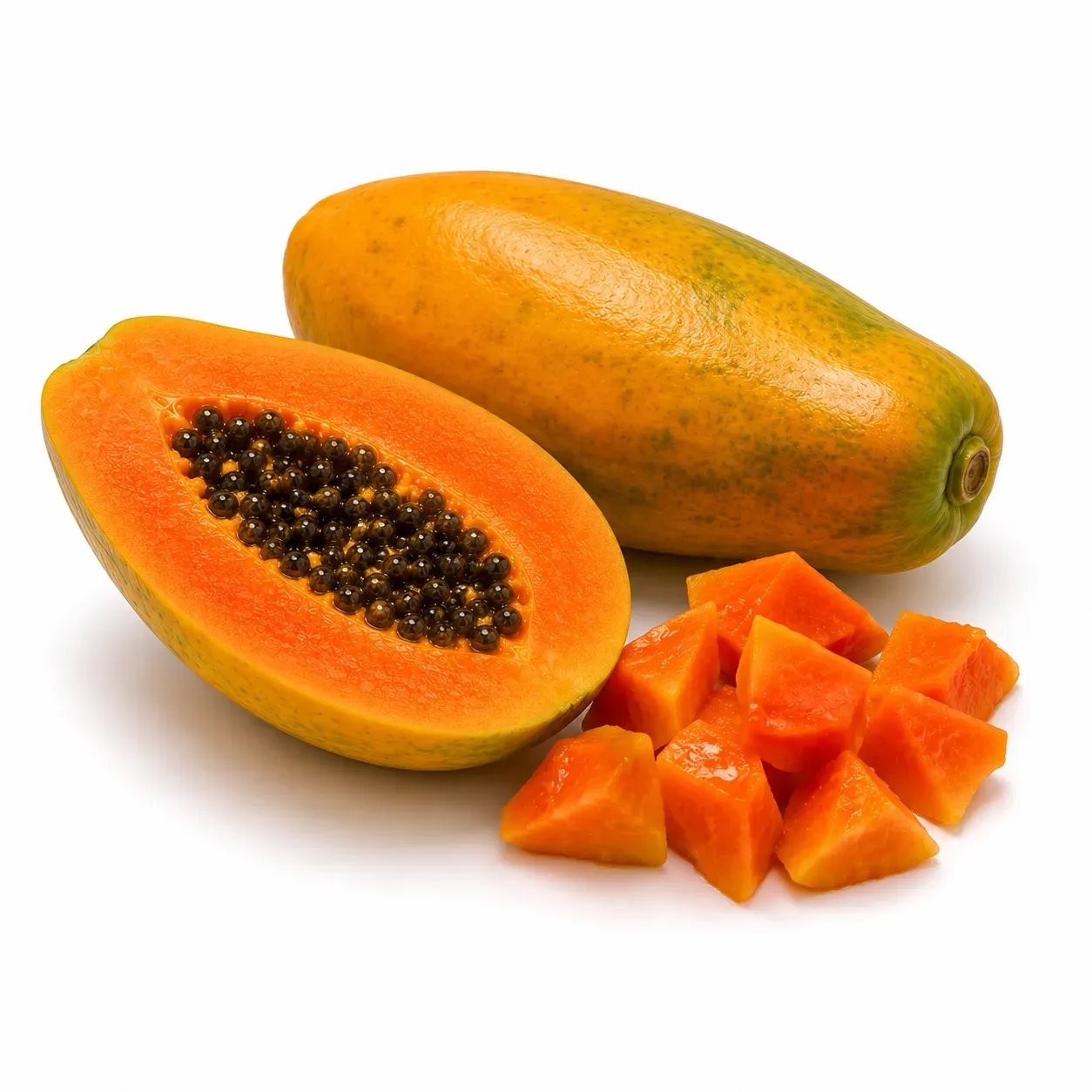
Papaya
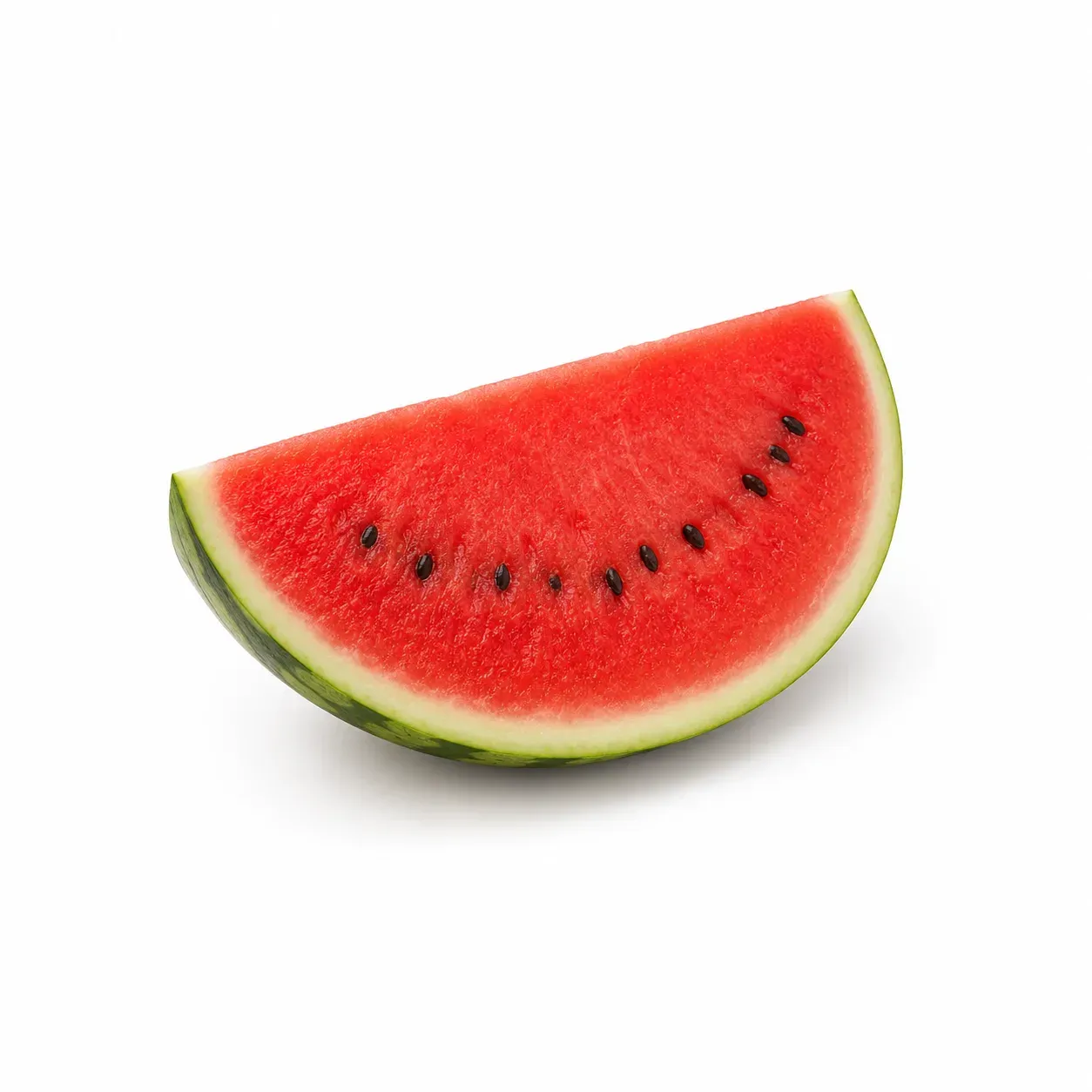
Watermelon
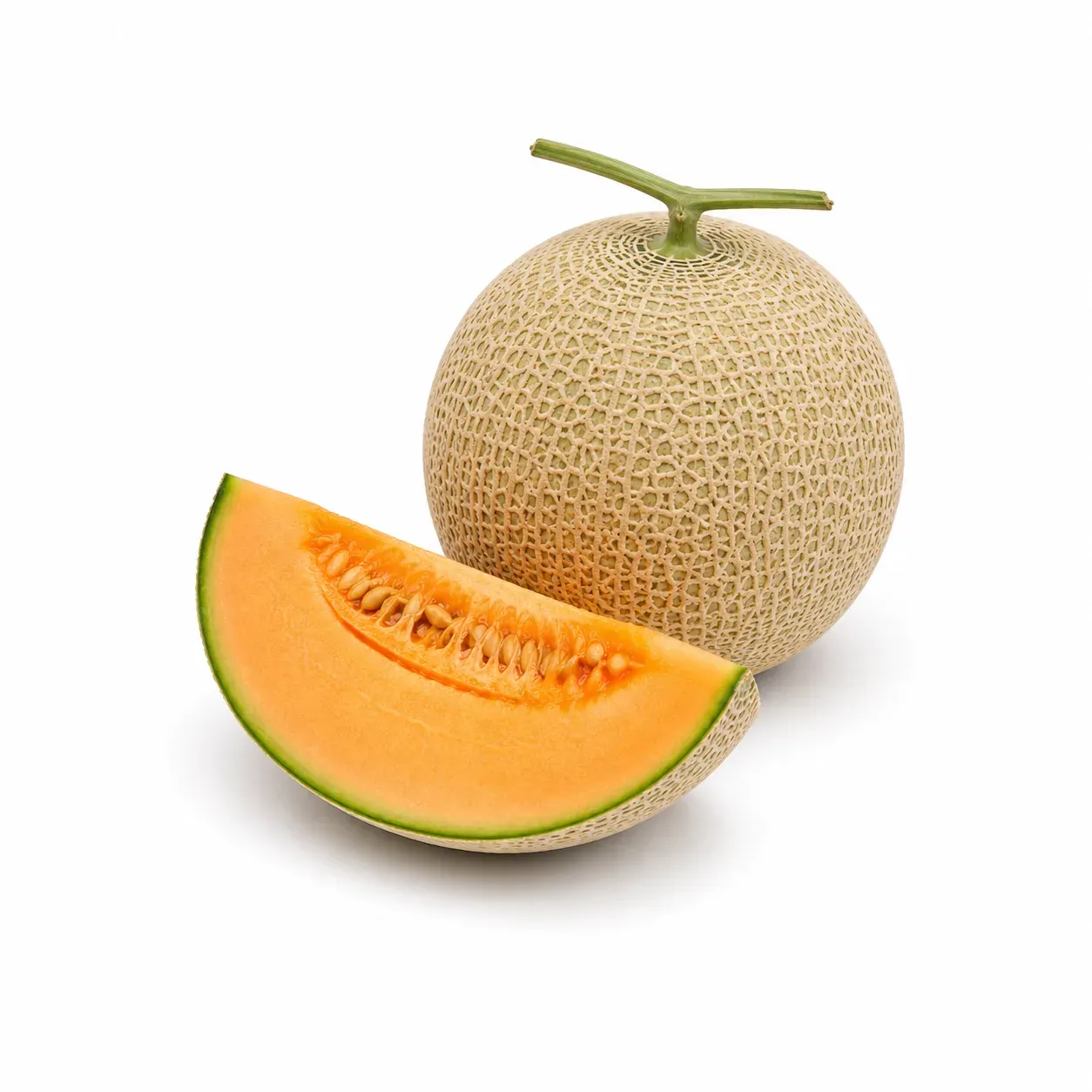
Cantaloupe
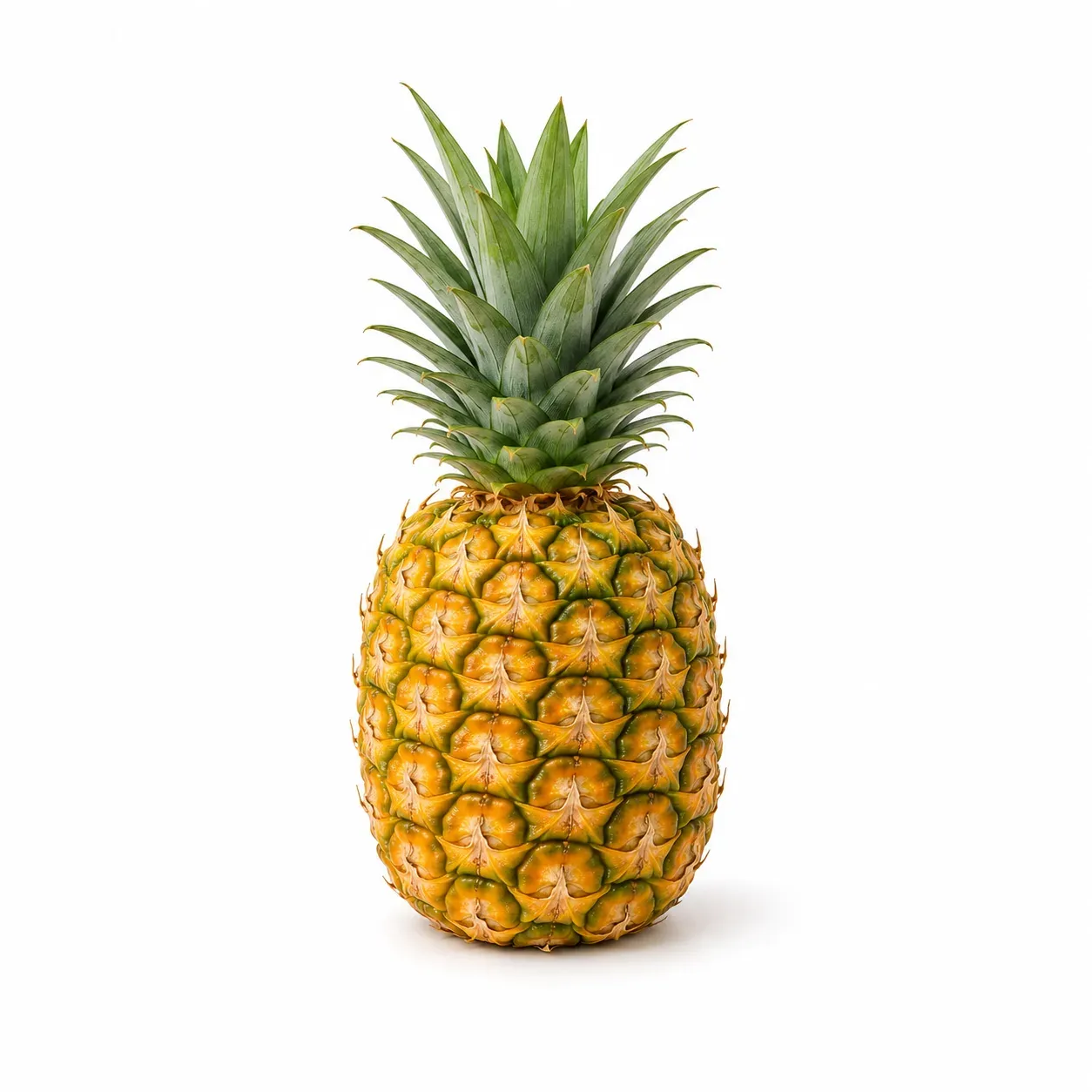
Pineapple
Small amounts
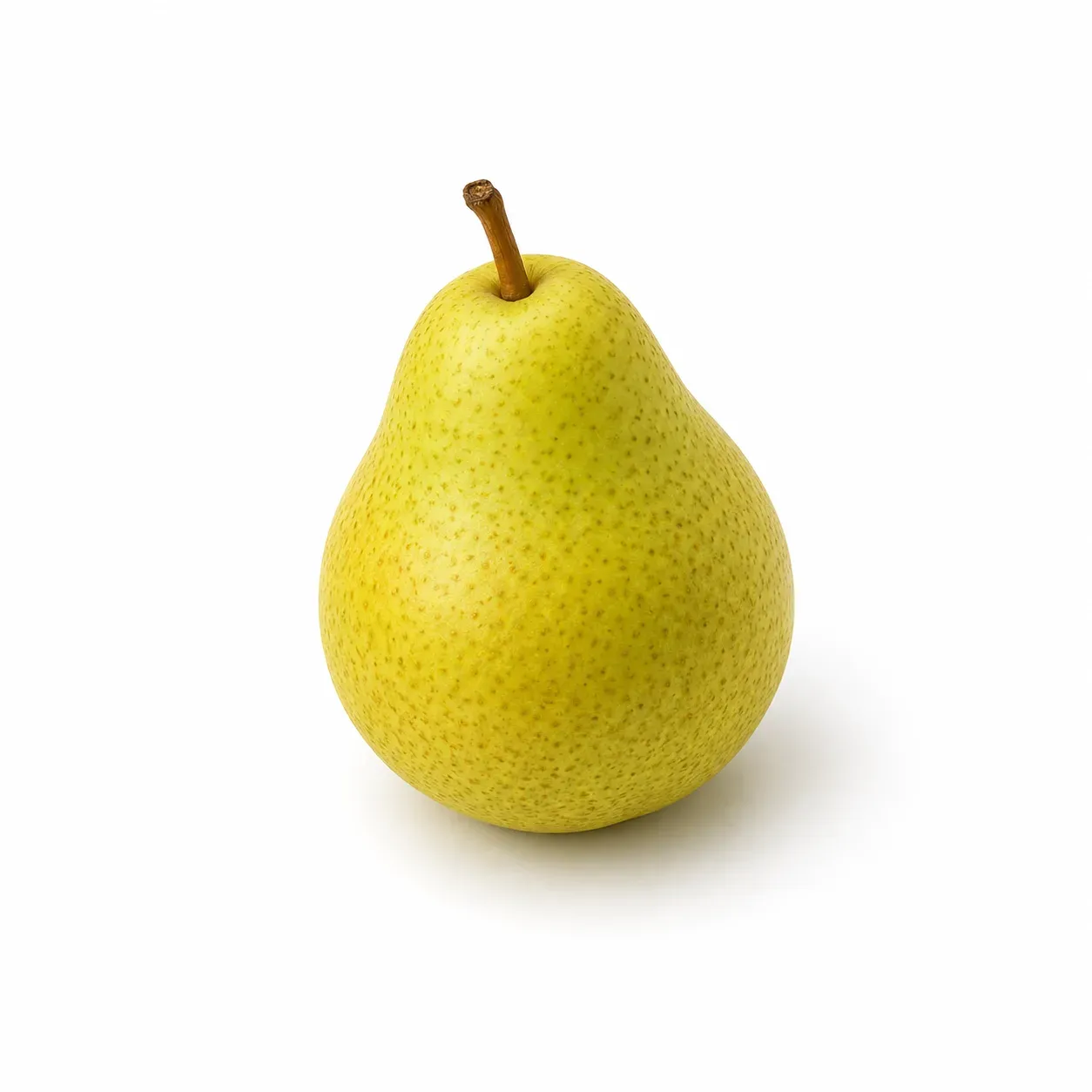
Pear
Remove seeds
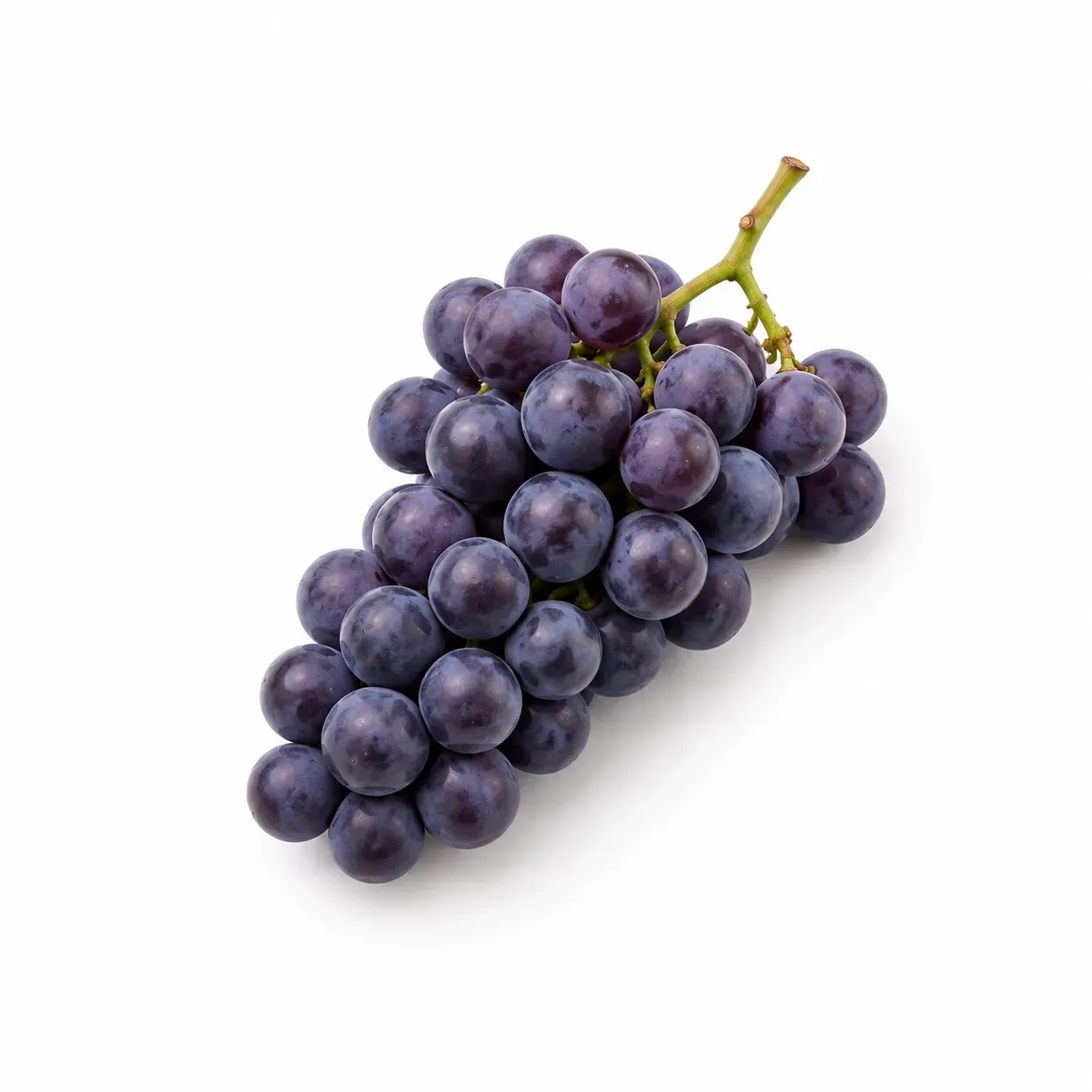
Grape
Remove Seed, High sugar
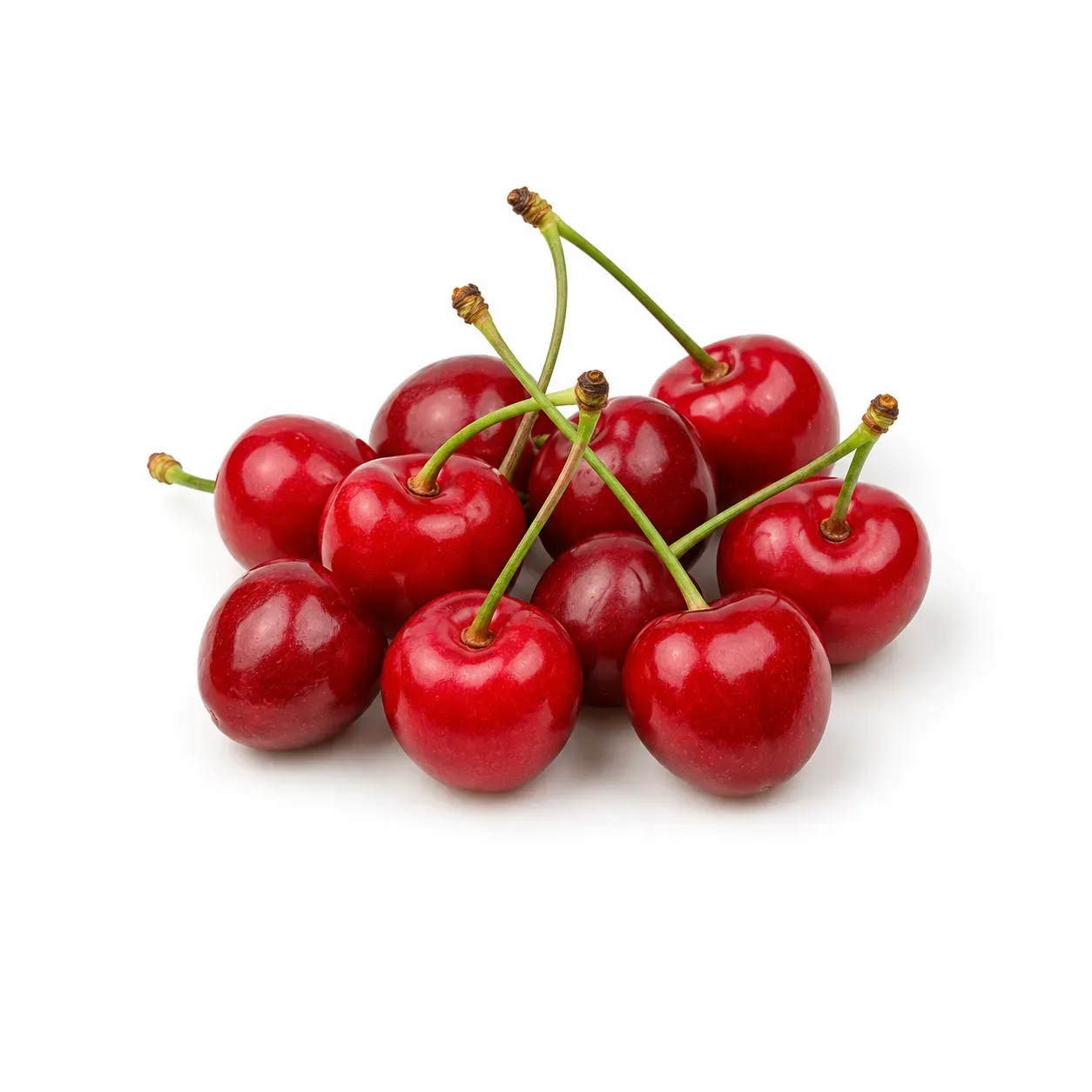
Cherry
Remove pit
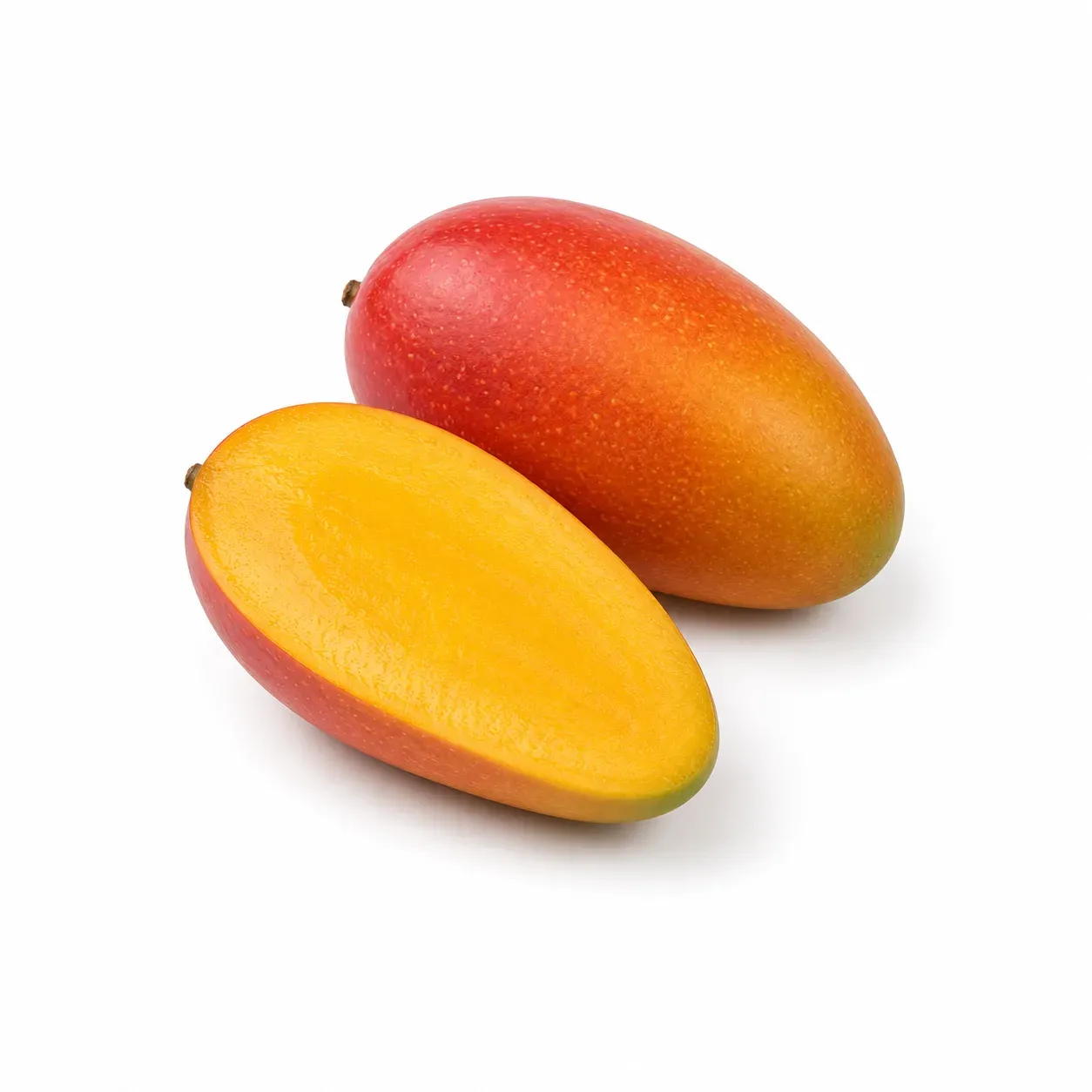
Mango
Small amounts
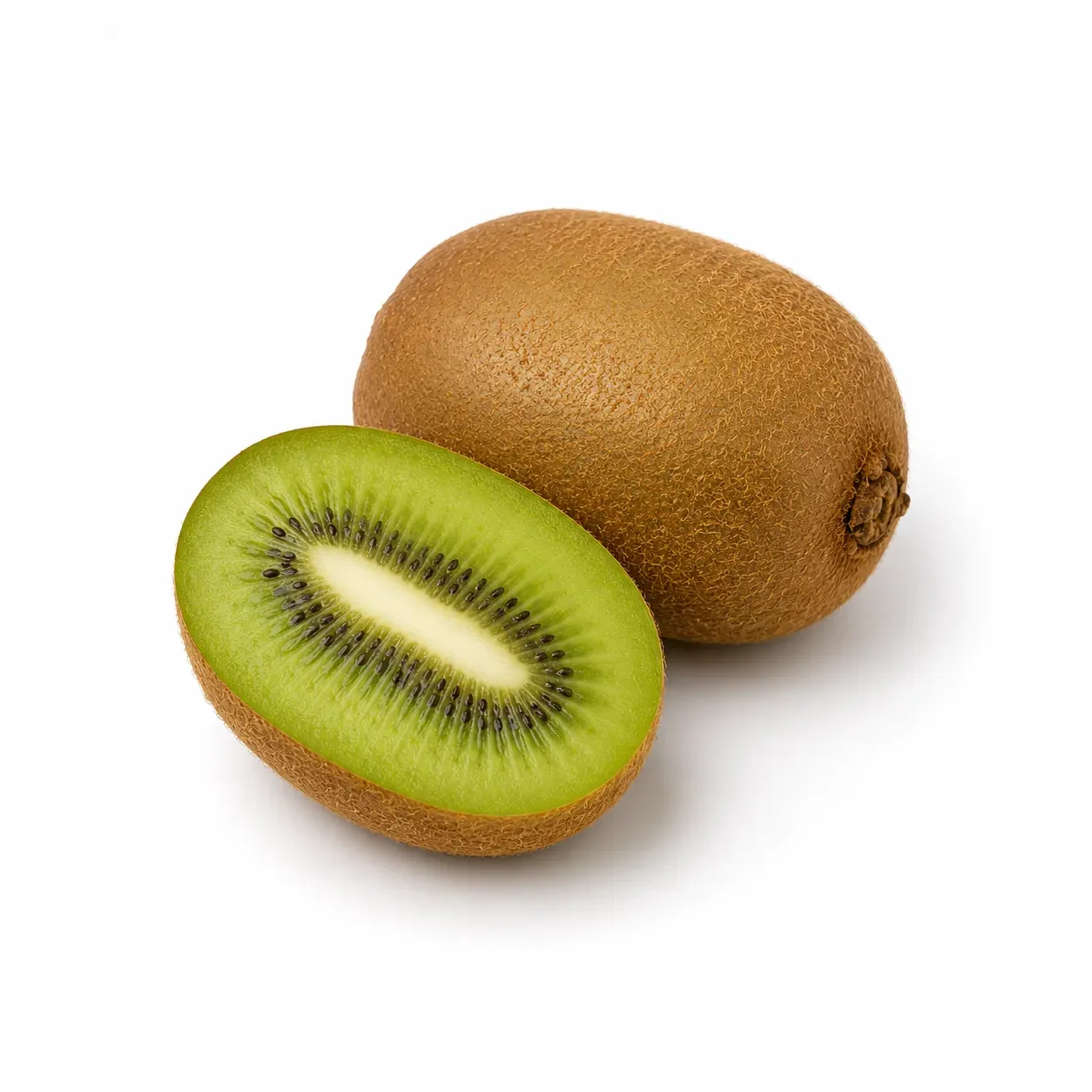
Kiwi
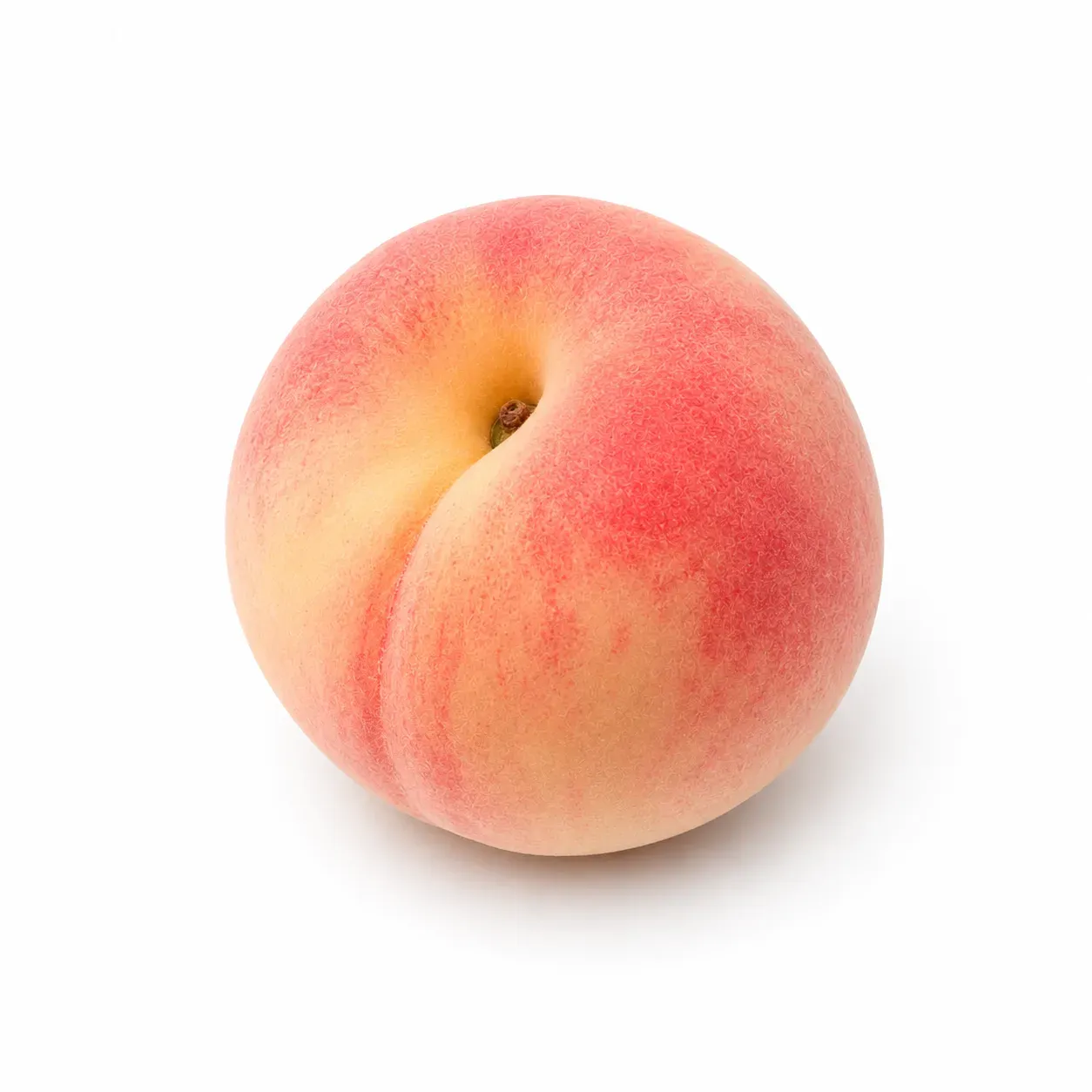
Peach
Remove pit
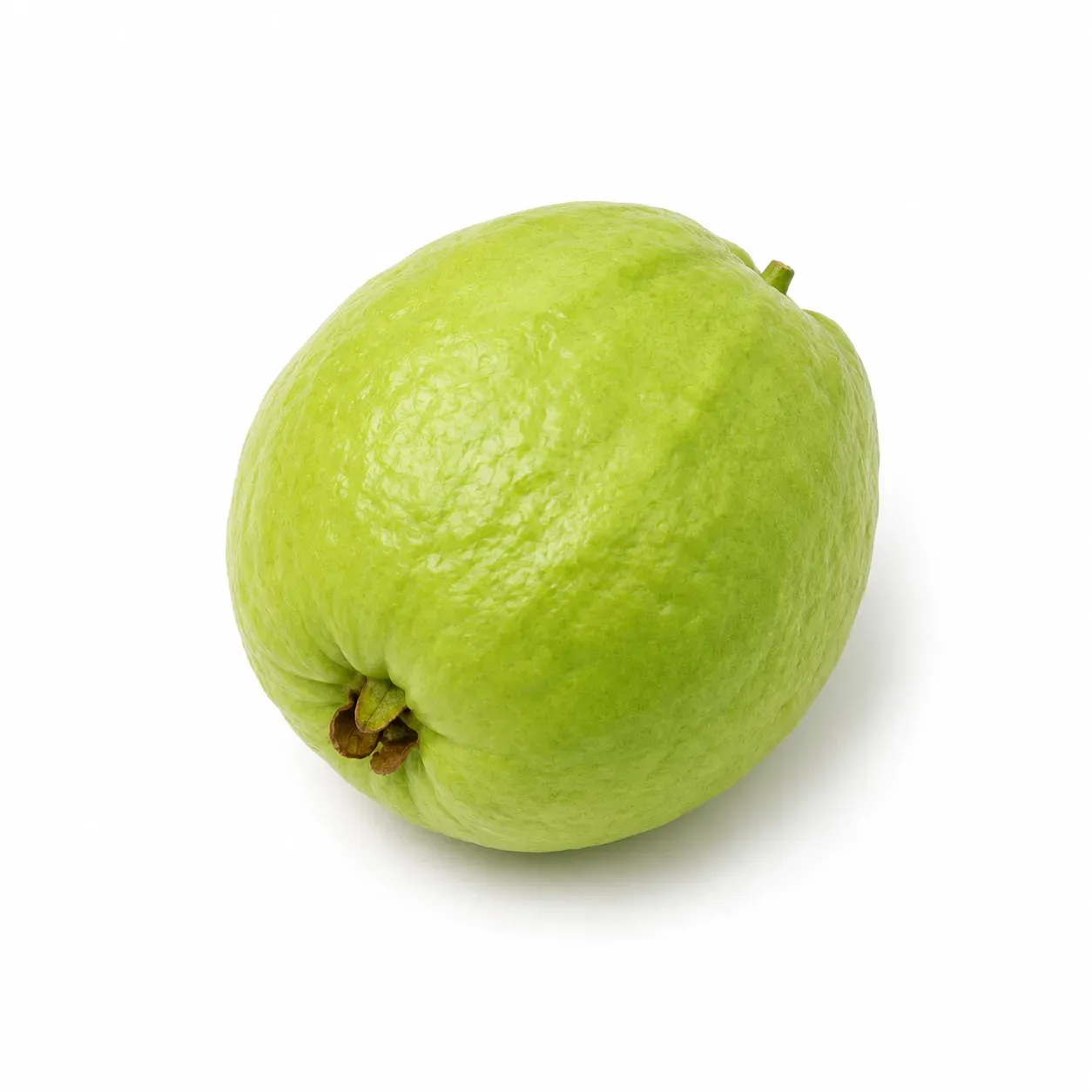
Guava
Remove pit
Commercial treats should be given very sparingly; choose natural, additive-free products. Use as training rewards.
Carrot Root
Natural treat
Oxbow Simple Rewards
Natural ingredients
Vitakraft Treats
German brand
Dried Rose Petals
Burgess Excel Treats
UK brand
Dried Banana Chips
Very high sugar
Not food, not counted in diet ratio. Safe natural wood or stems that help wear down teeth, prevent overgrowth, and relieve boredom and stress.
Apple Wood
Sweet Bamboo Sticks
Willow Wood
A bunny favorite
Pear Wood
Fruit tree wood, safe to chew
Mulberry Wood
Medium hardness
Coconut Shell
Hard chew, doubles as a toy
Corn Husk
Dried husk, chewable and playable
Straw Ball
Woven toy
Rattan Ball
Lightweight chew toy
These foods are toxic or harmful to rabbits and must never be fed.
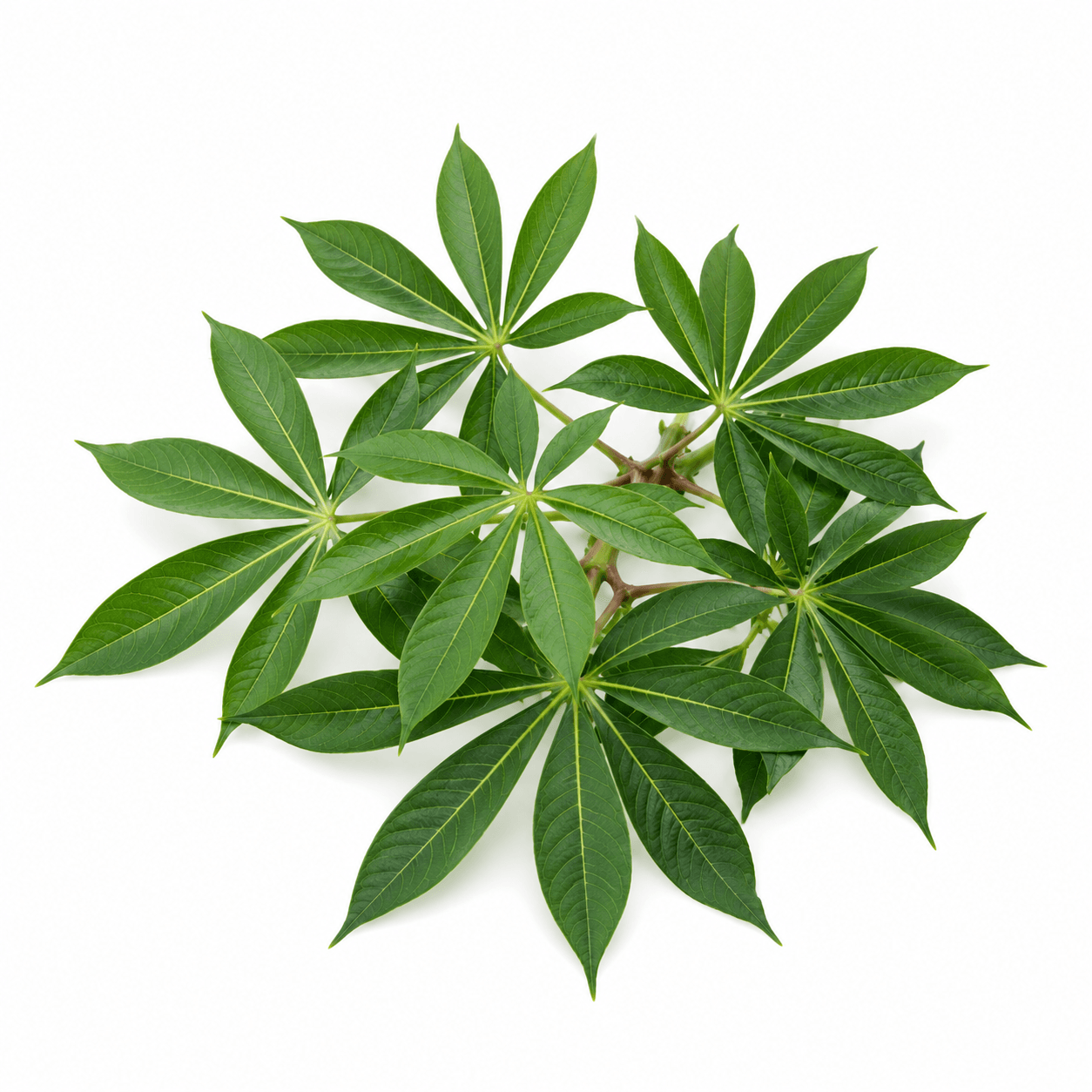
Cassava greens
Contains cyanogenic glycosides; raw leaves are toxic
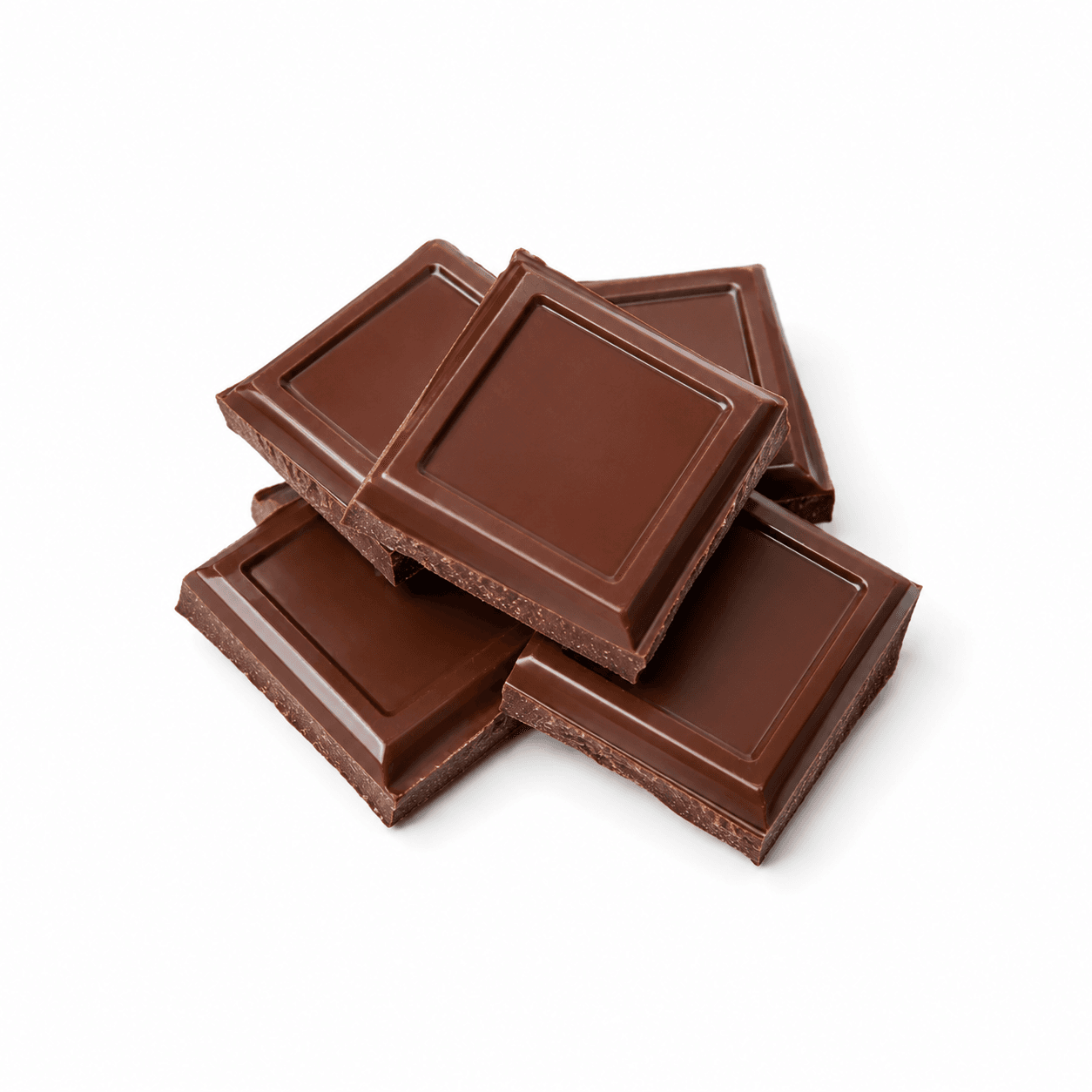
Chocolate
Highly toxic
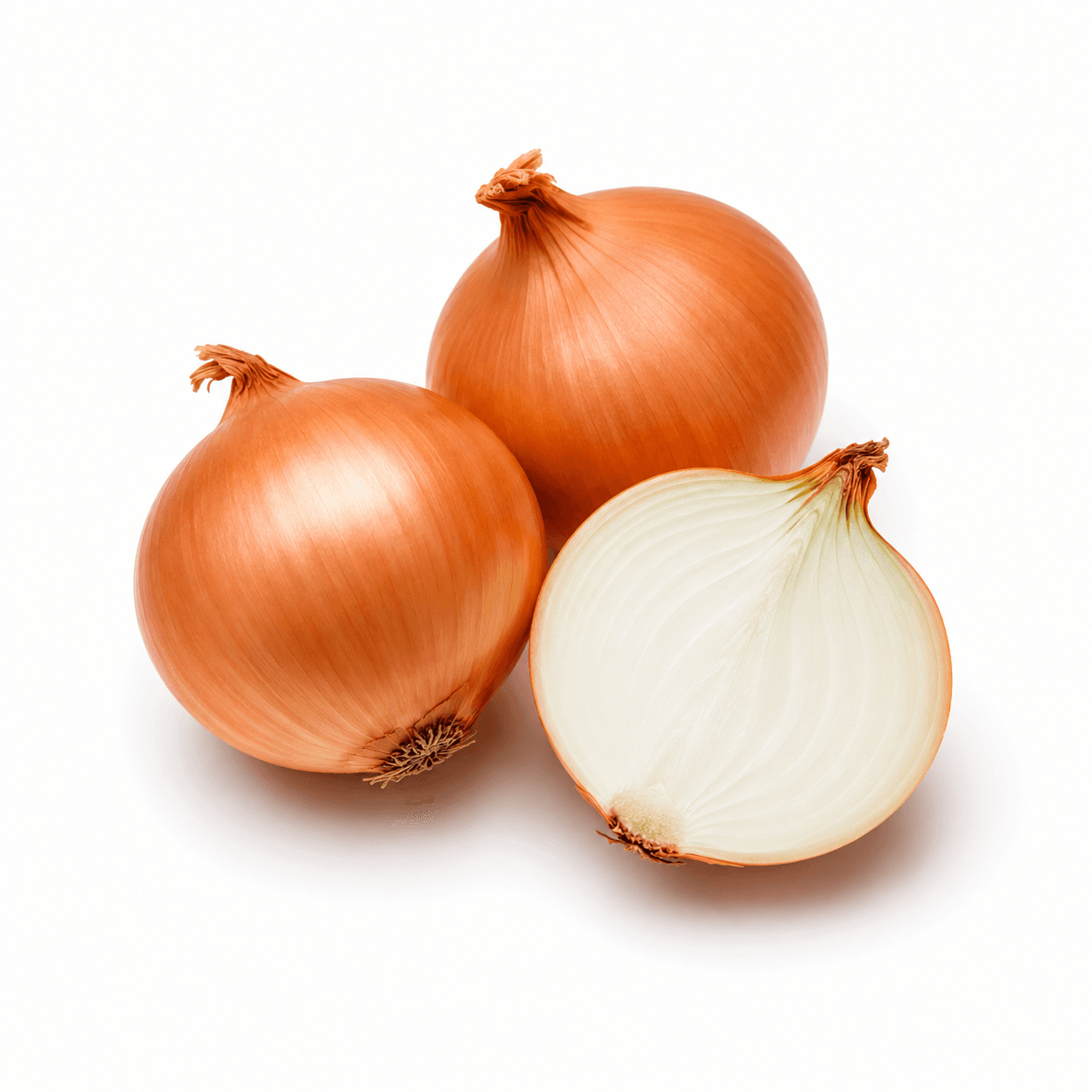
Onion
Toxic
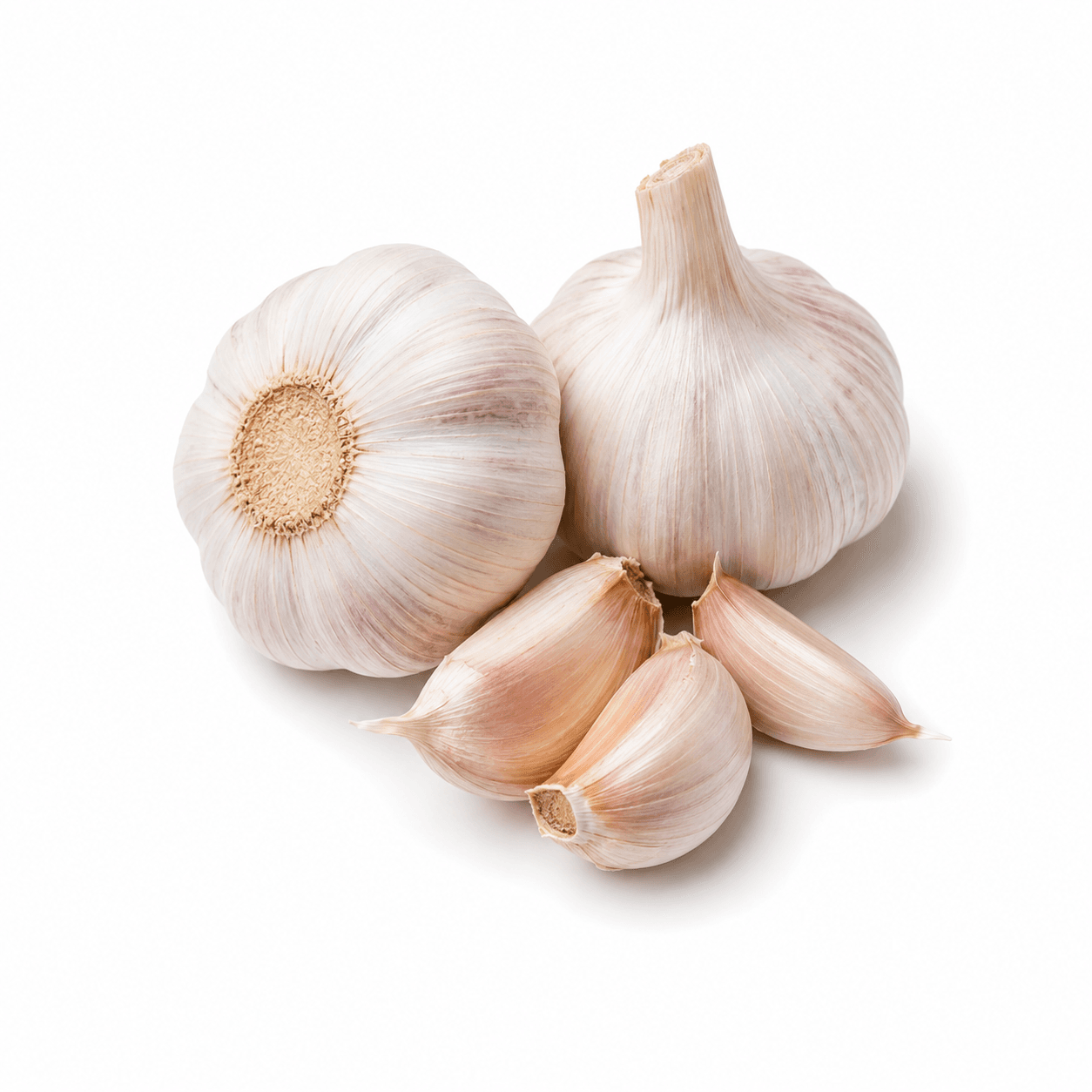
Garlic
Toxic
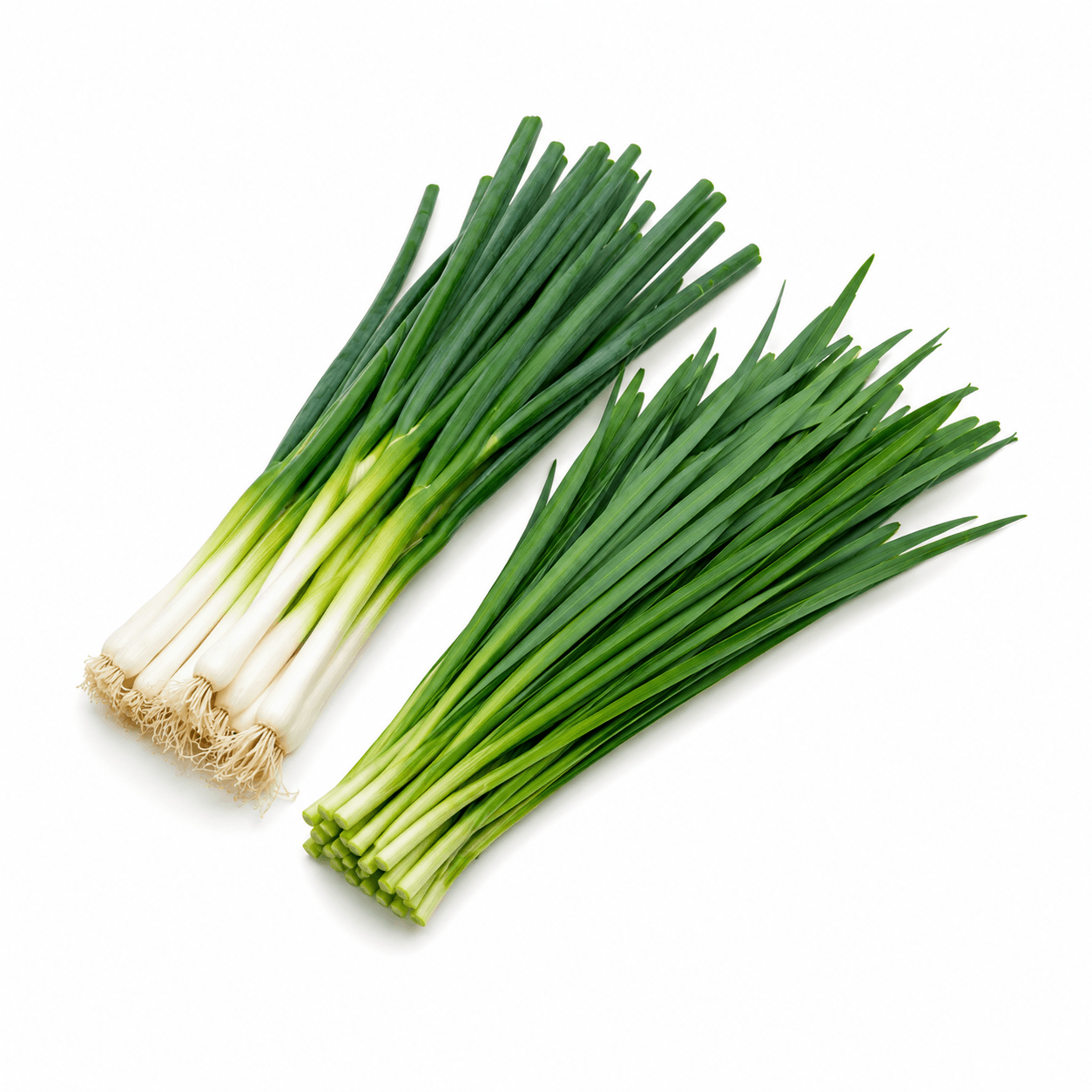
Leeks/Scallions
Toxic
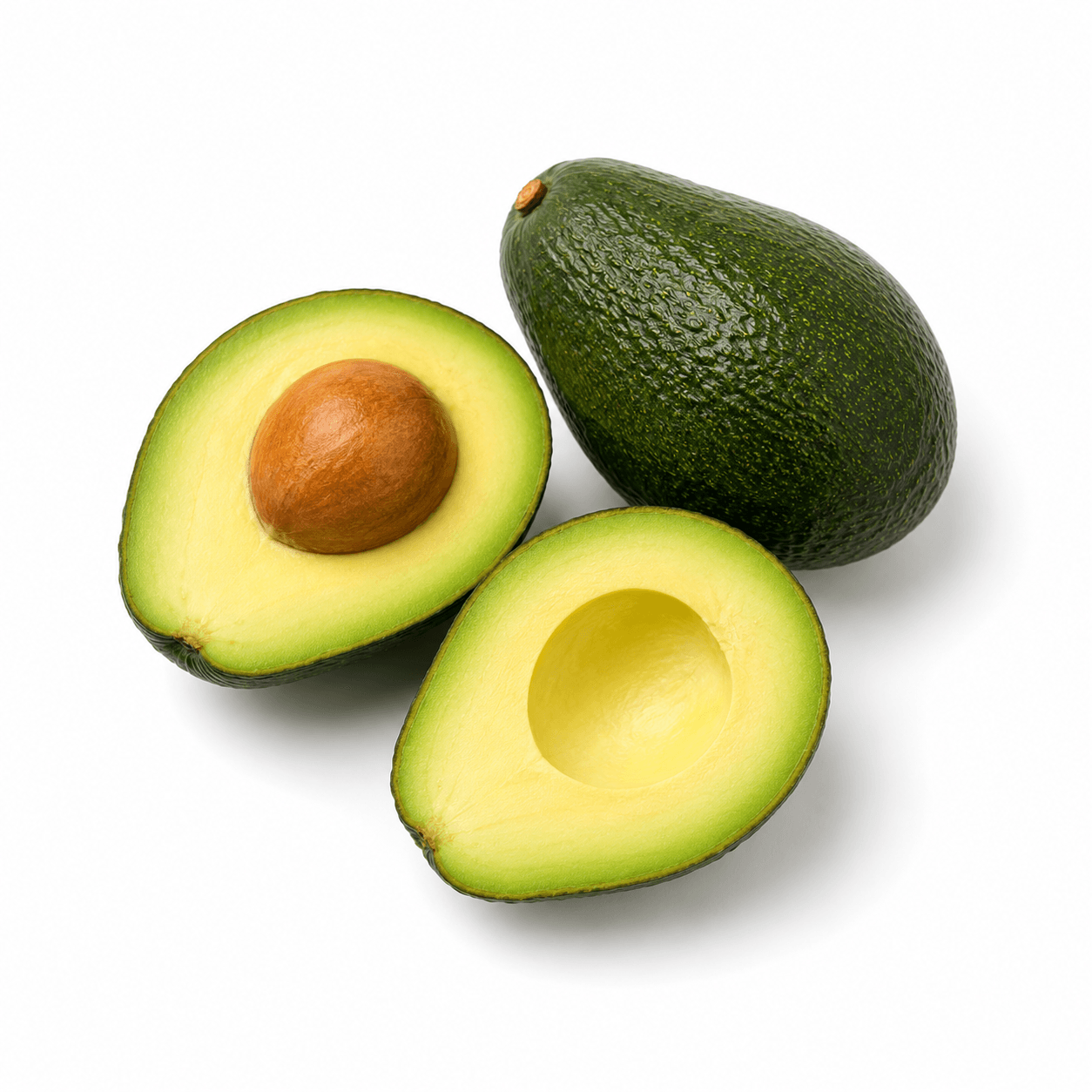
Avocado
Highly toxic
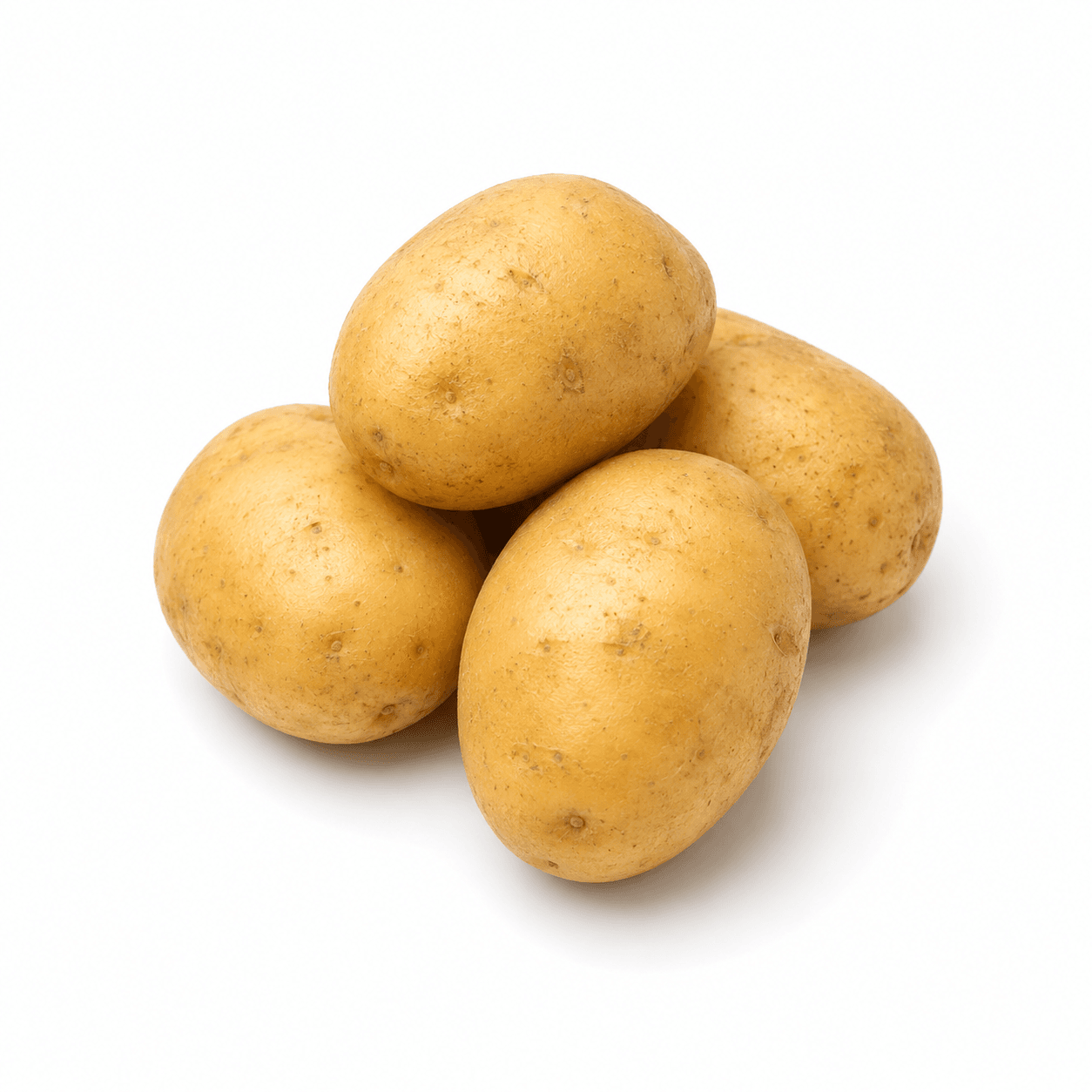
Potato
Toxic (especially green parts)
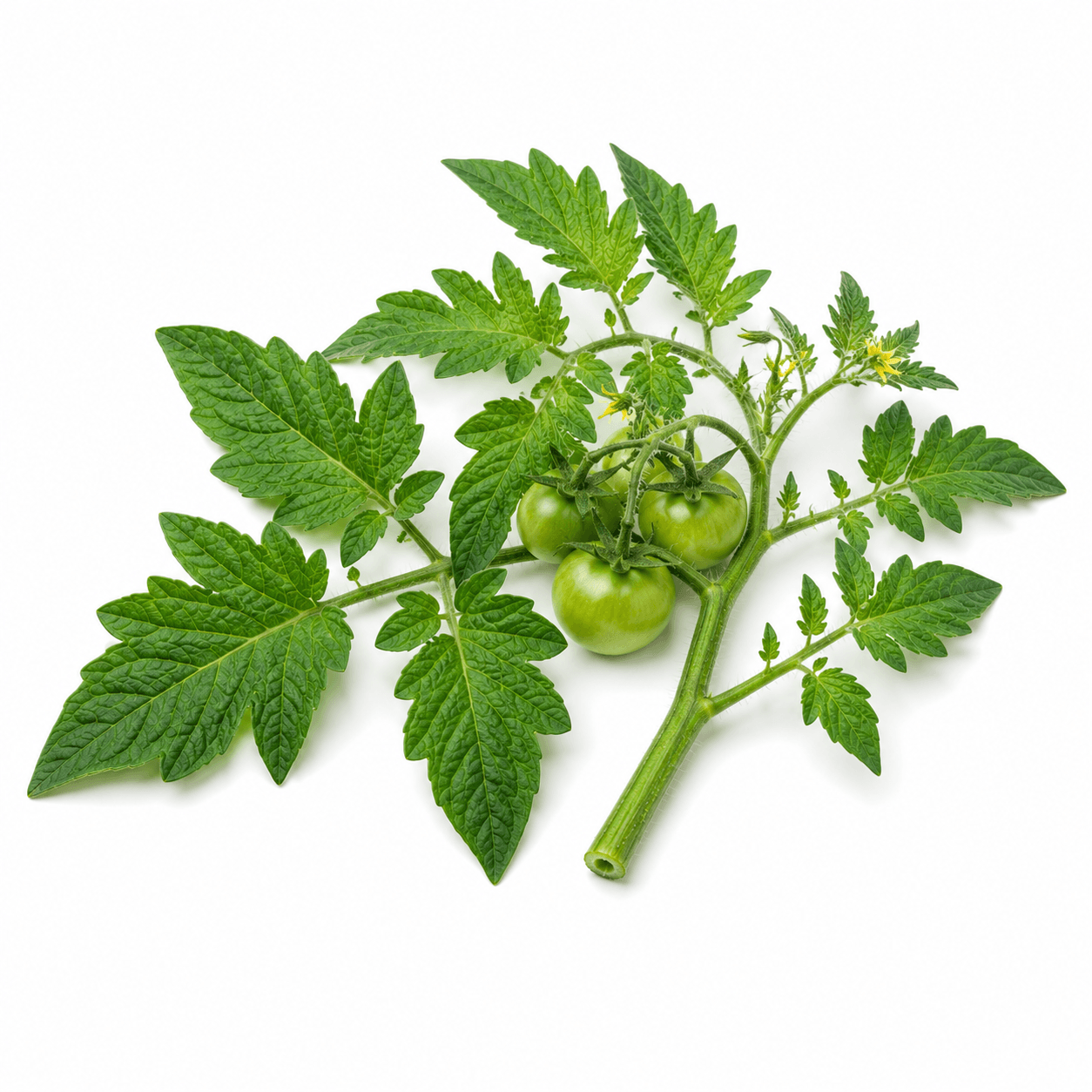
Tomato Leaves/Stems
Toxic
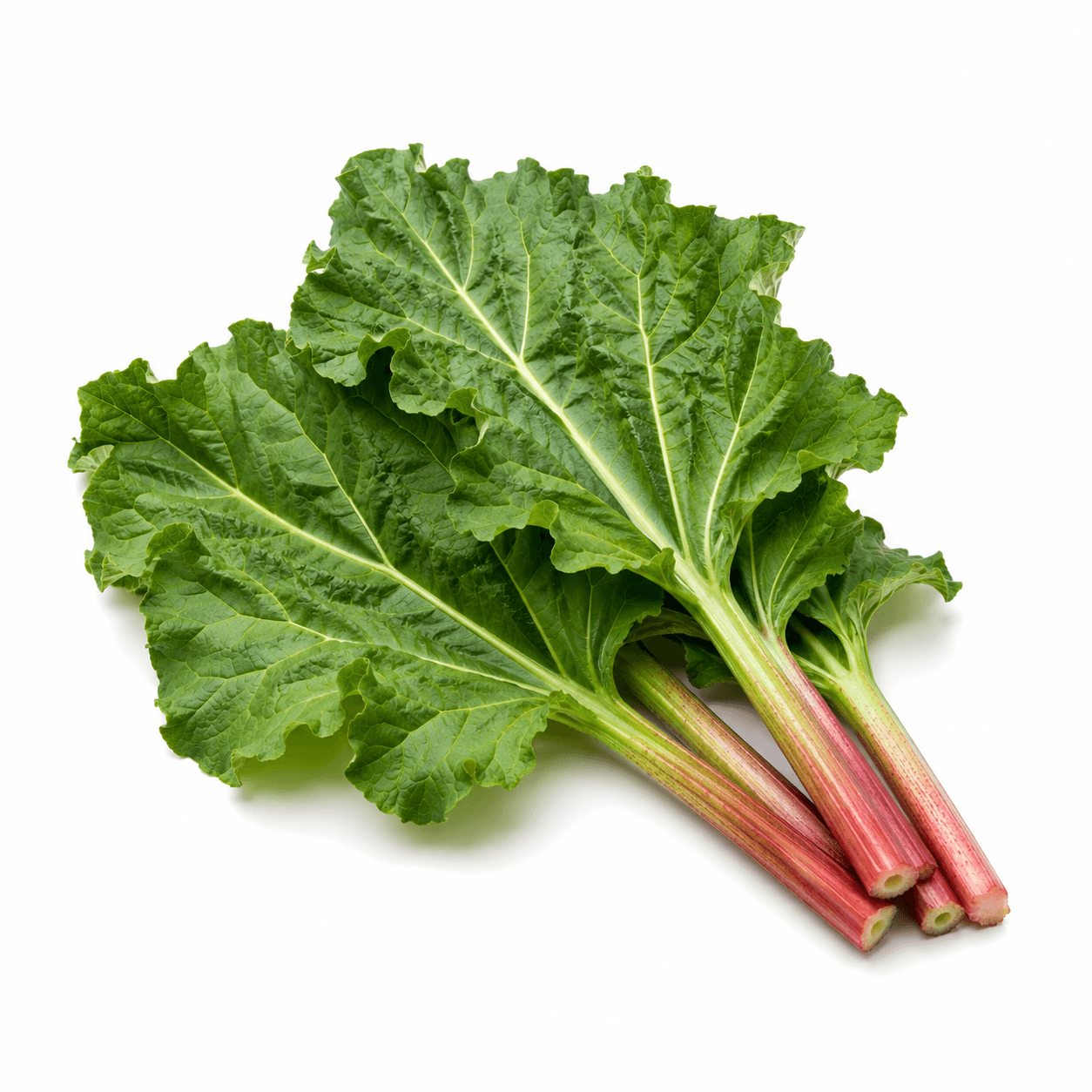
Rhubarb Leaves
Highly toxic
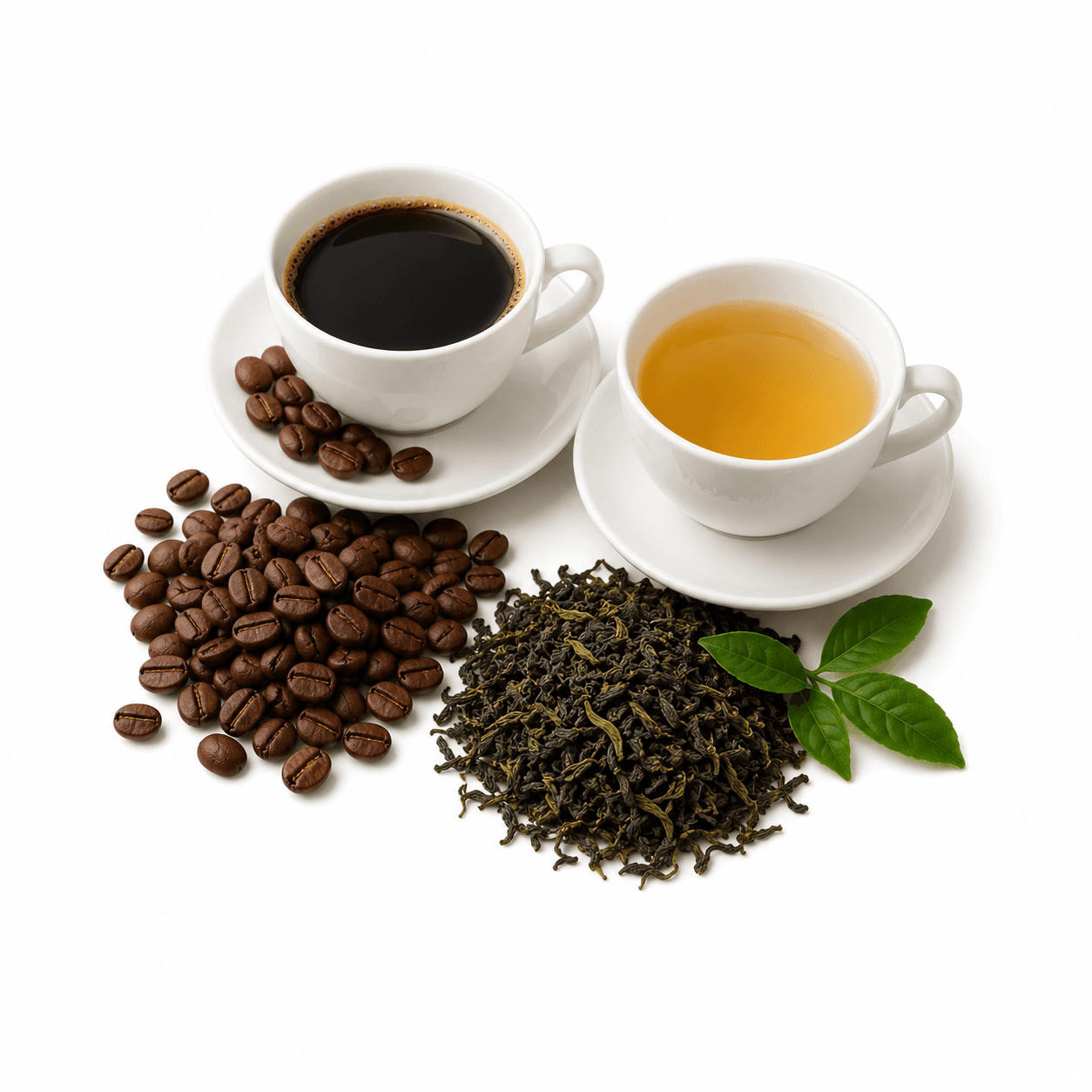
Coffee/Tea
Toxic

Alcohol
Highly toxic
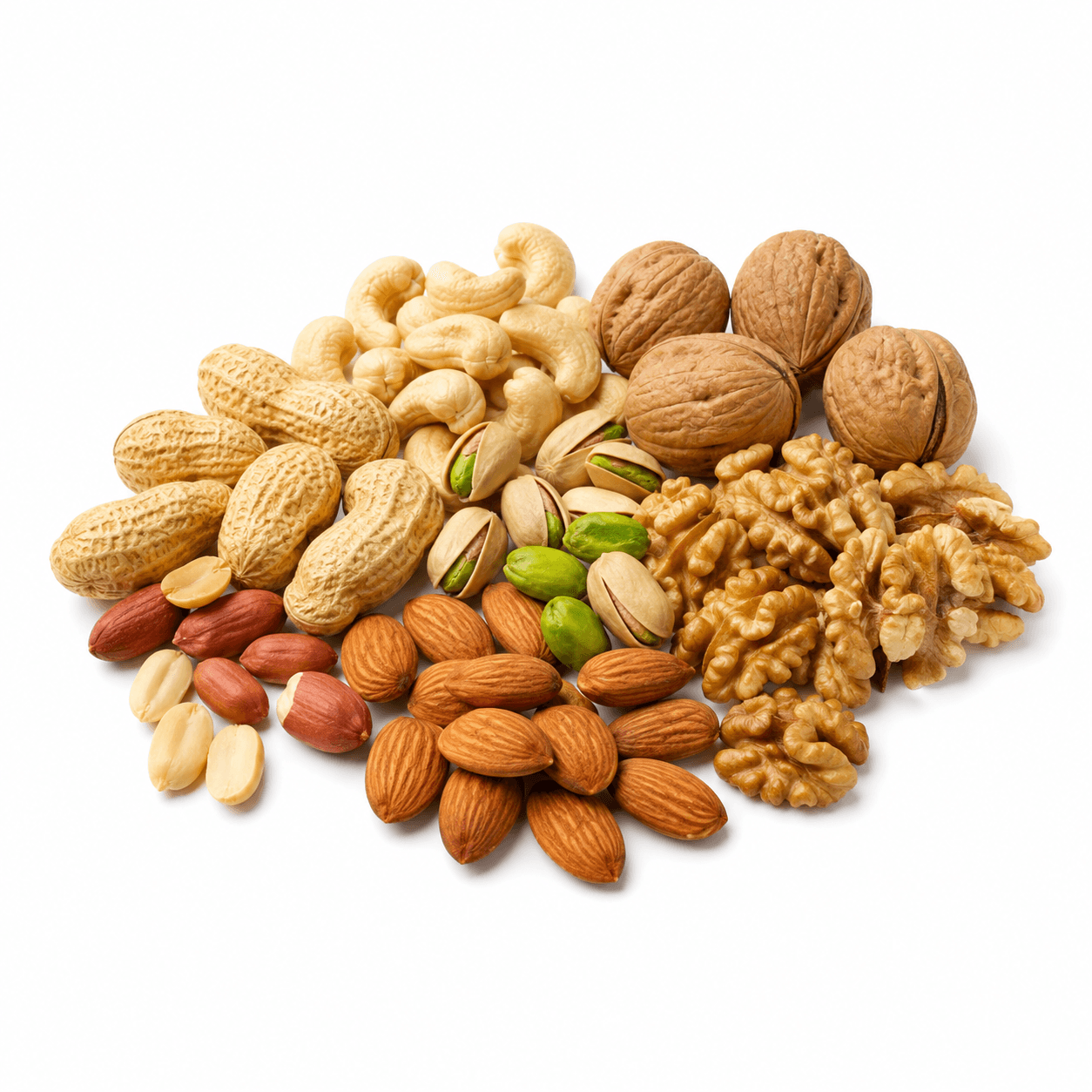
Nuts
Not suitable
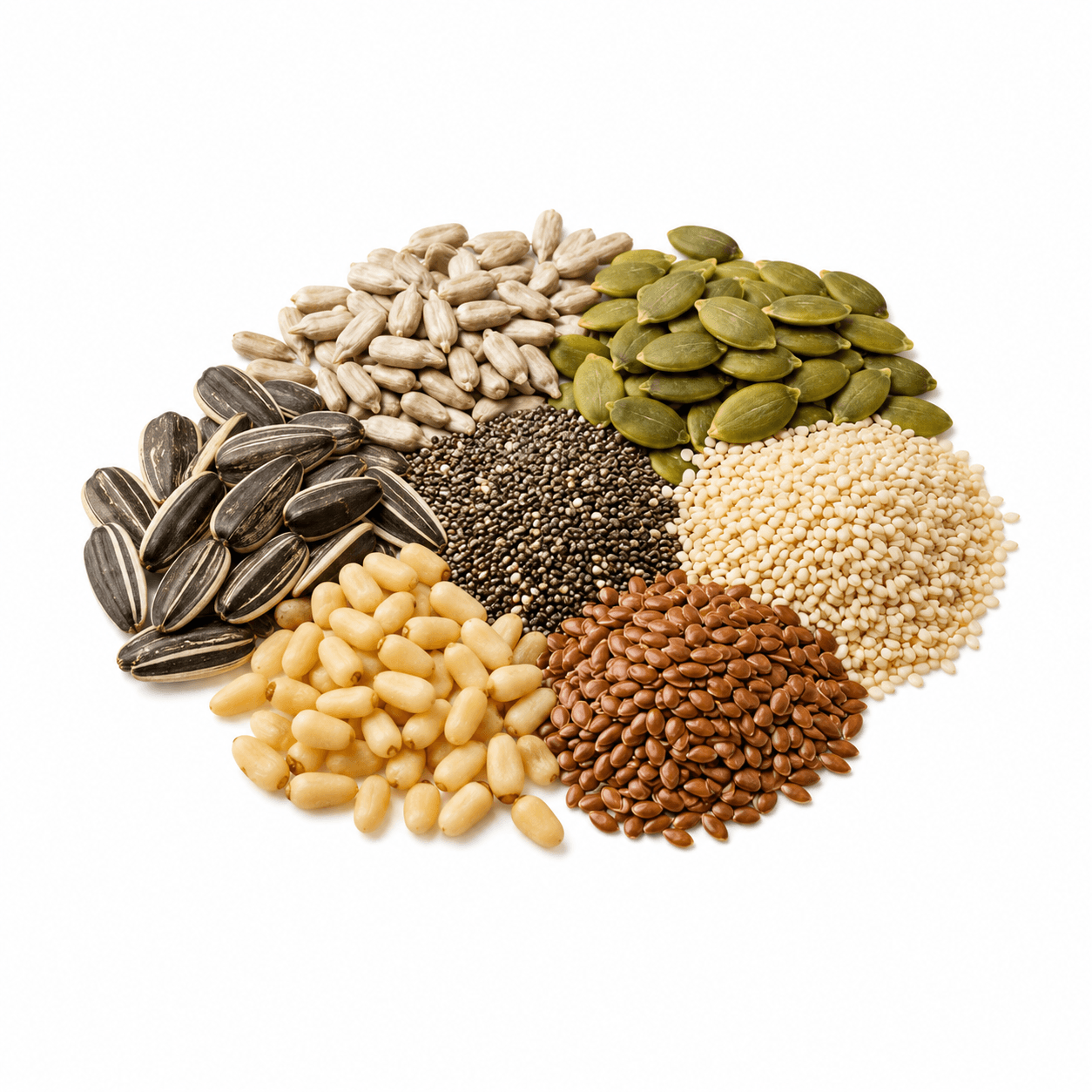
Seeds
Not suitable
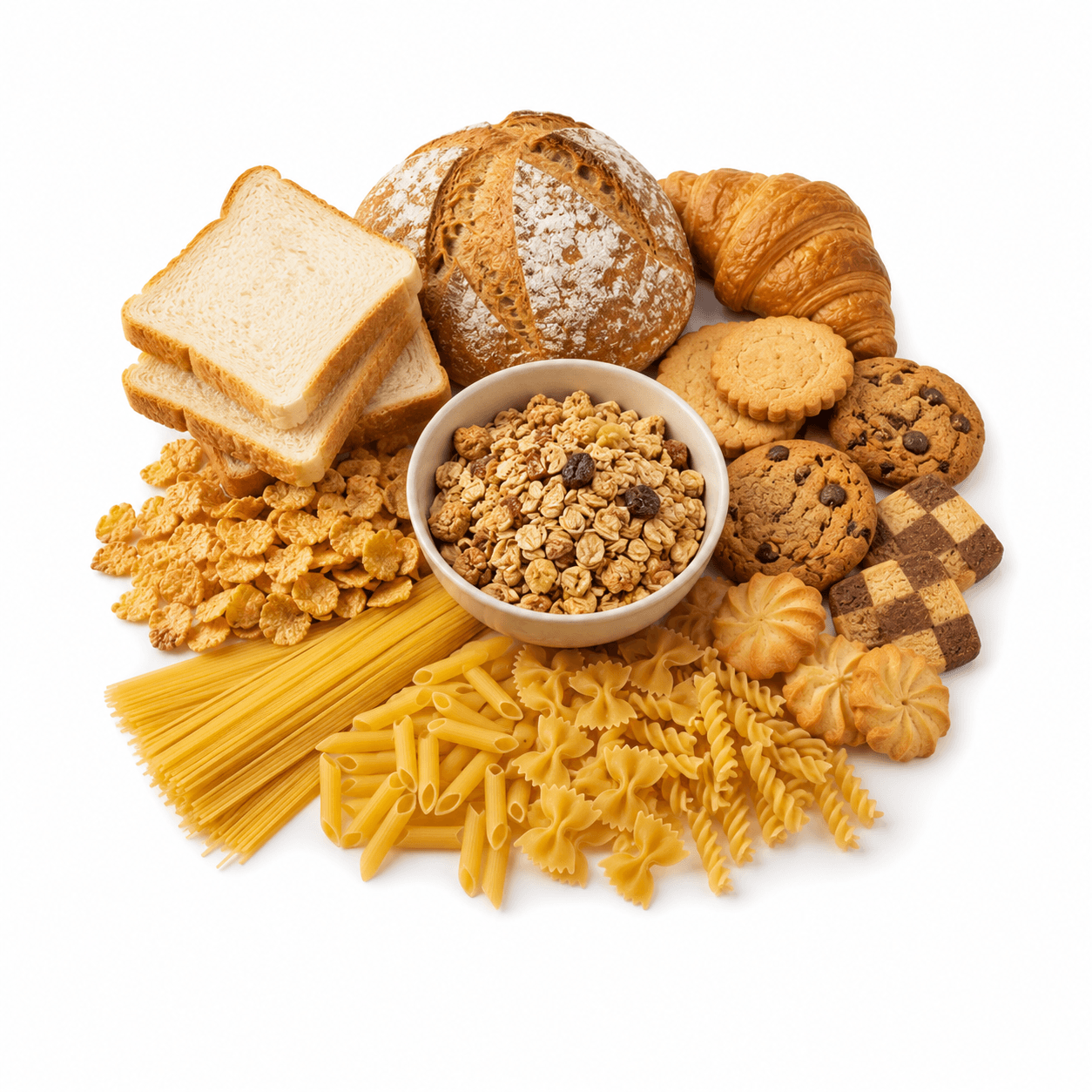
Bread/Grains
Not suitable
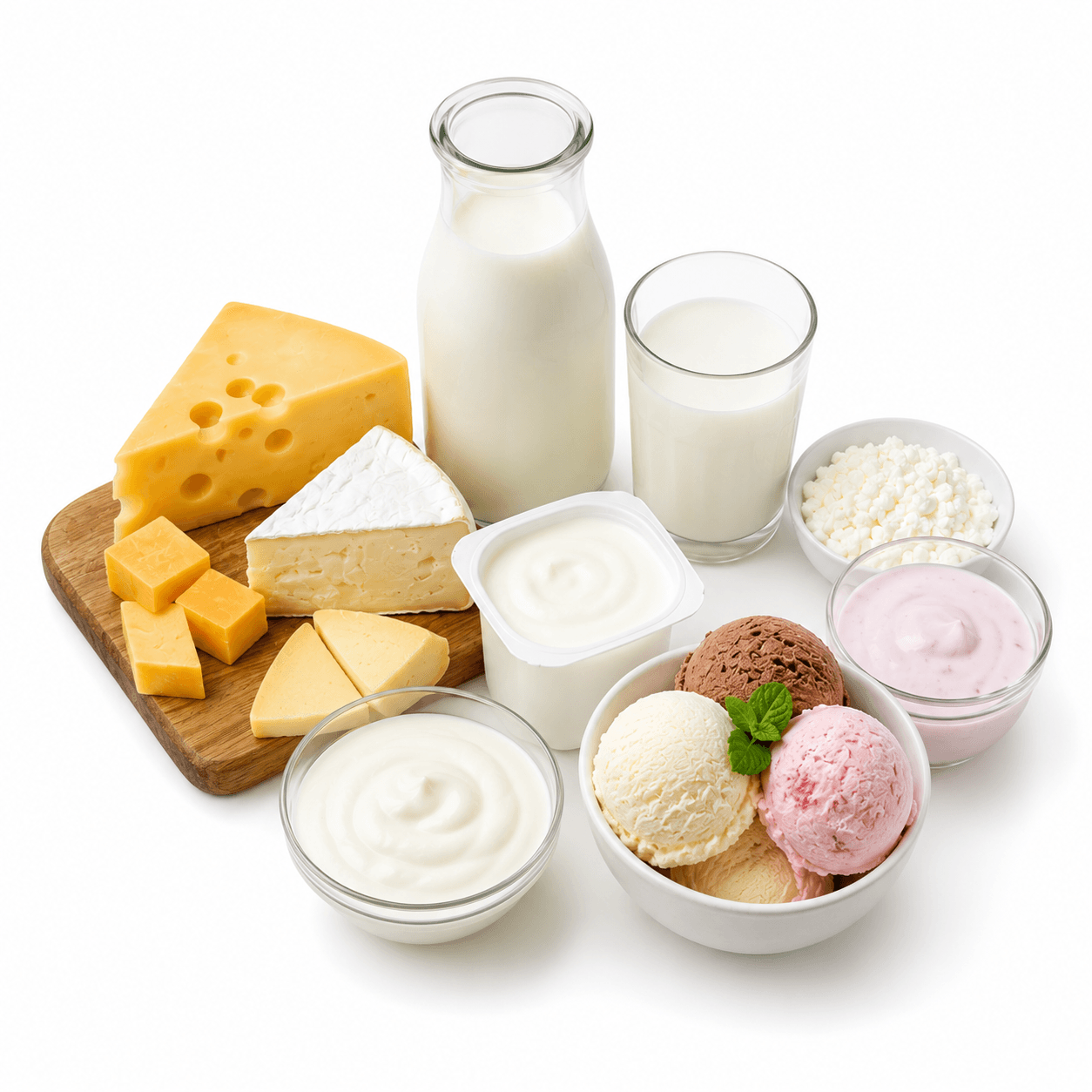
Dairy Products
Not suitable
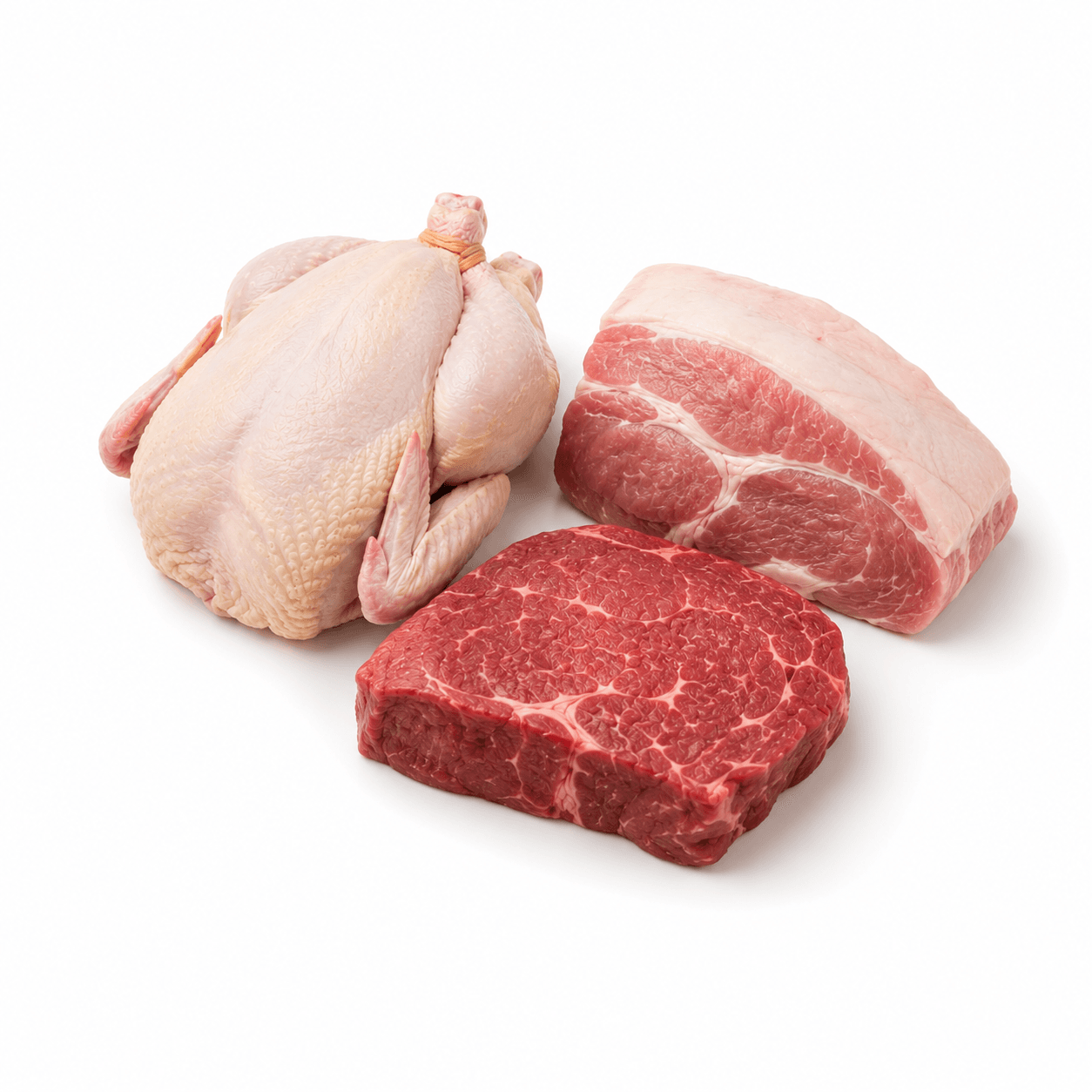
Meat
Completely unsuitable

Sugary Processed Foods
Seriously harmful
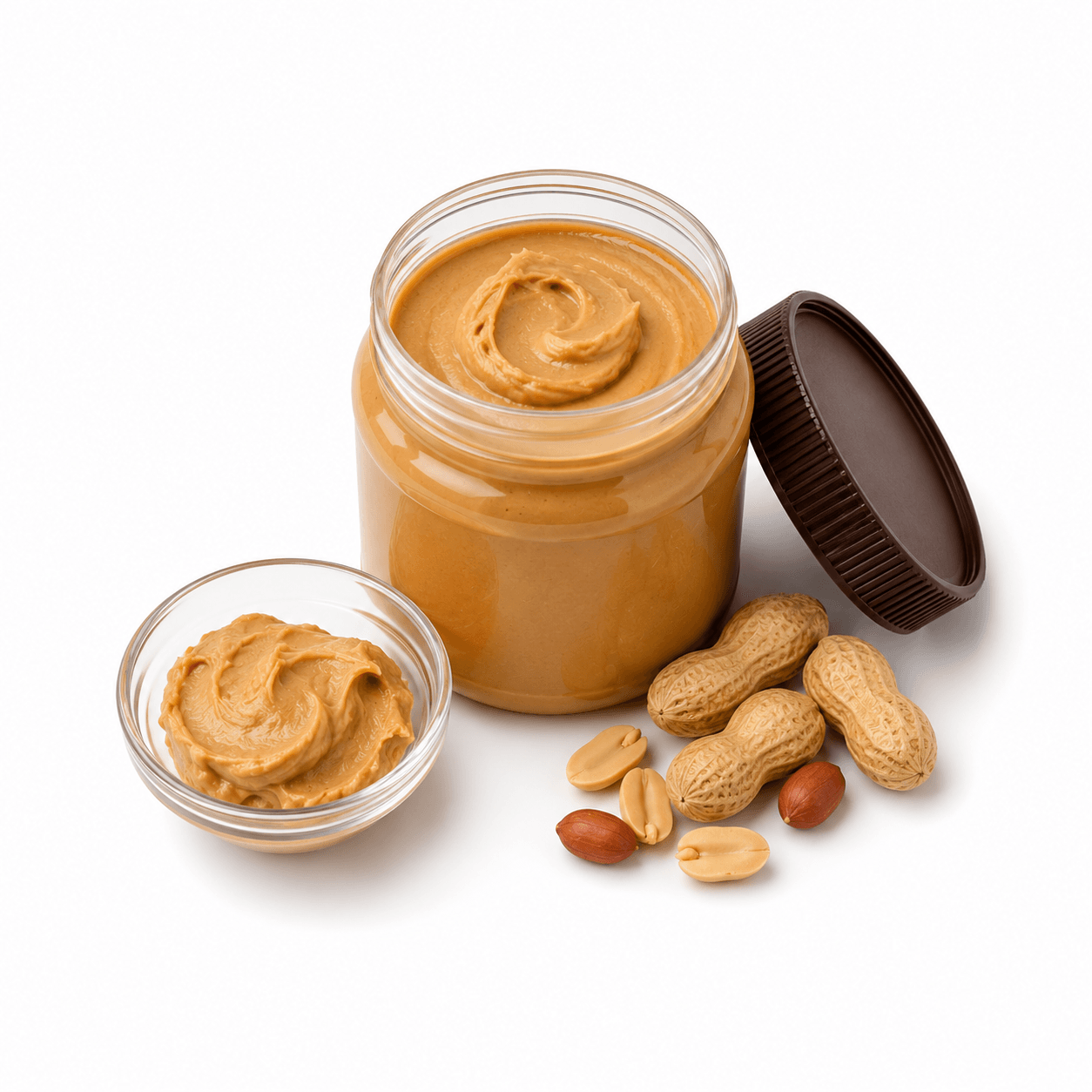
Peanut Butter
Not suitable
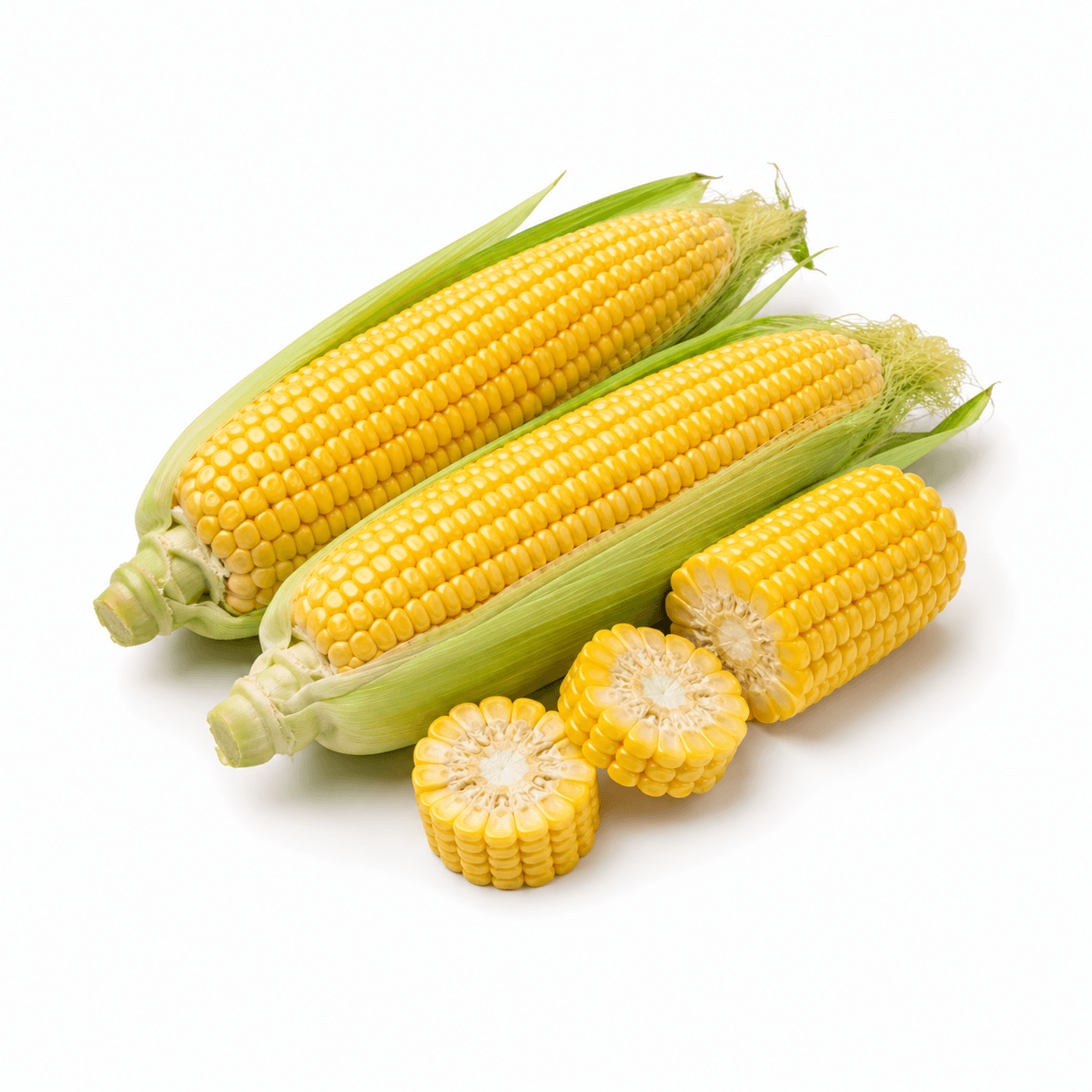
Corn
Not recommended
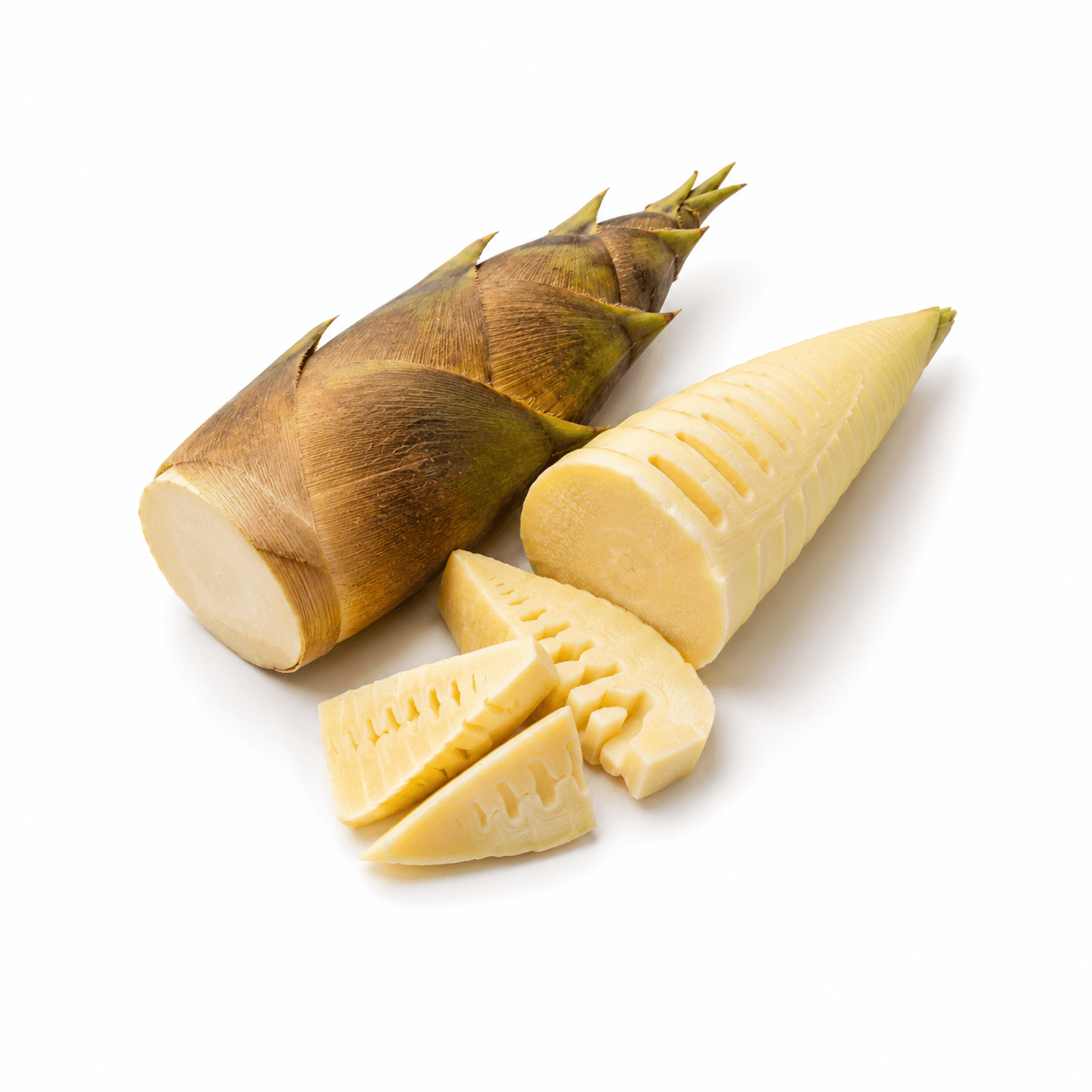
Bamboo shoots
contain very high levels of oxalic acid and starch
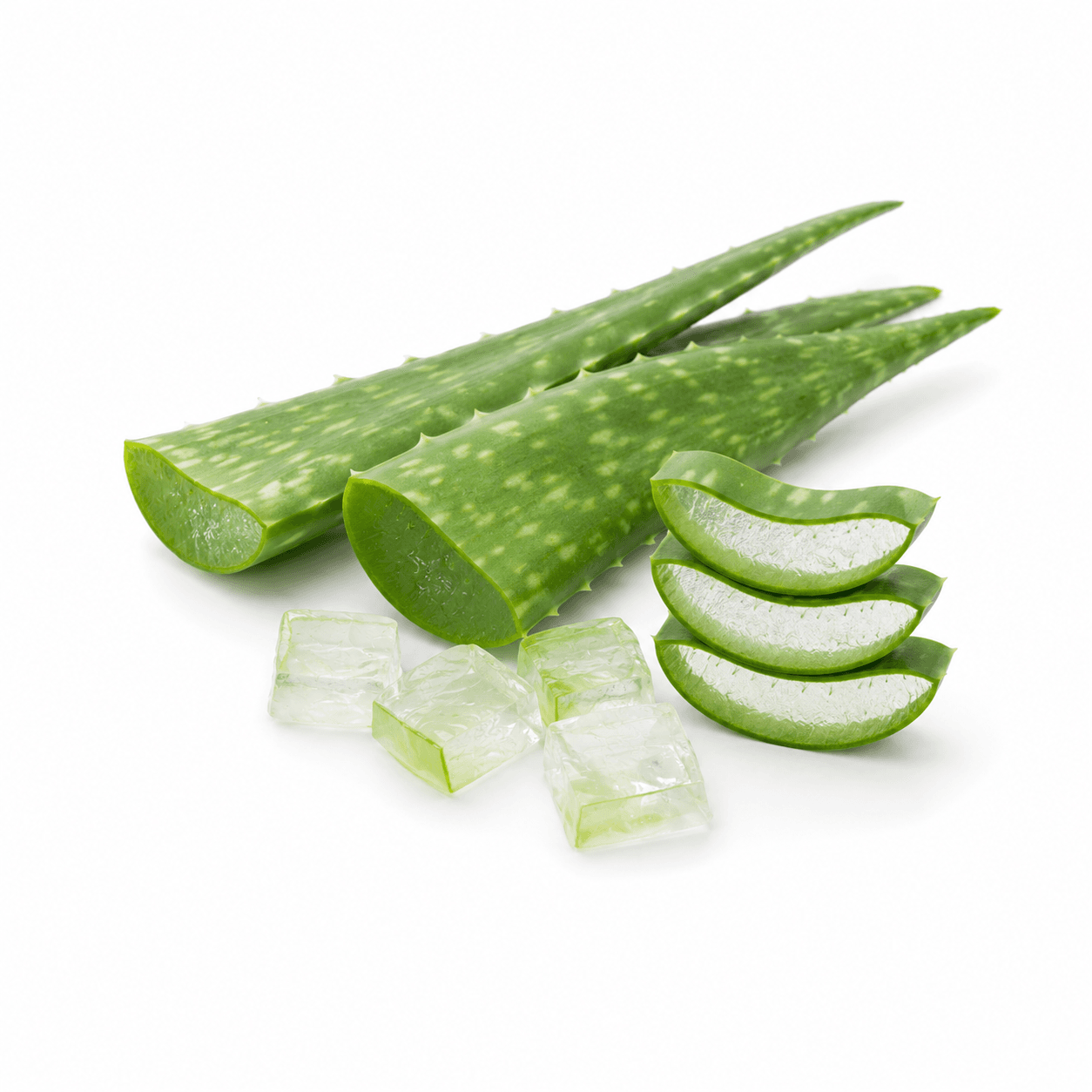
Aloe vera
Toxic. Ingestion may cause diarrhea or serious gastrointestinal issues.
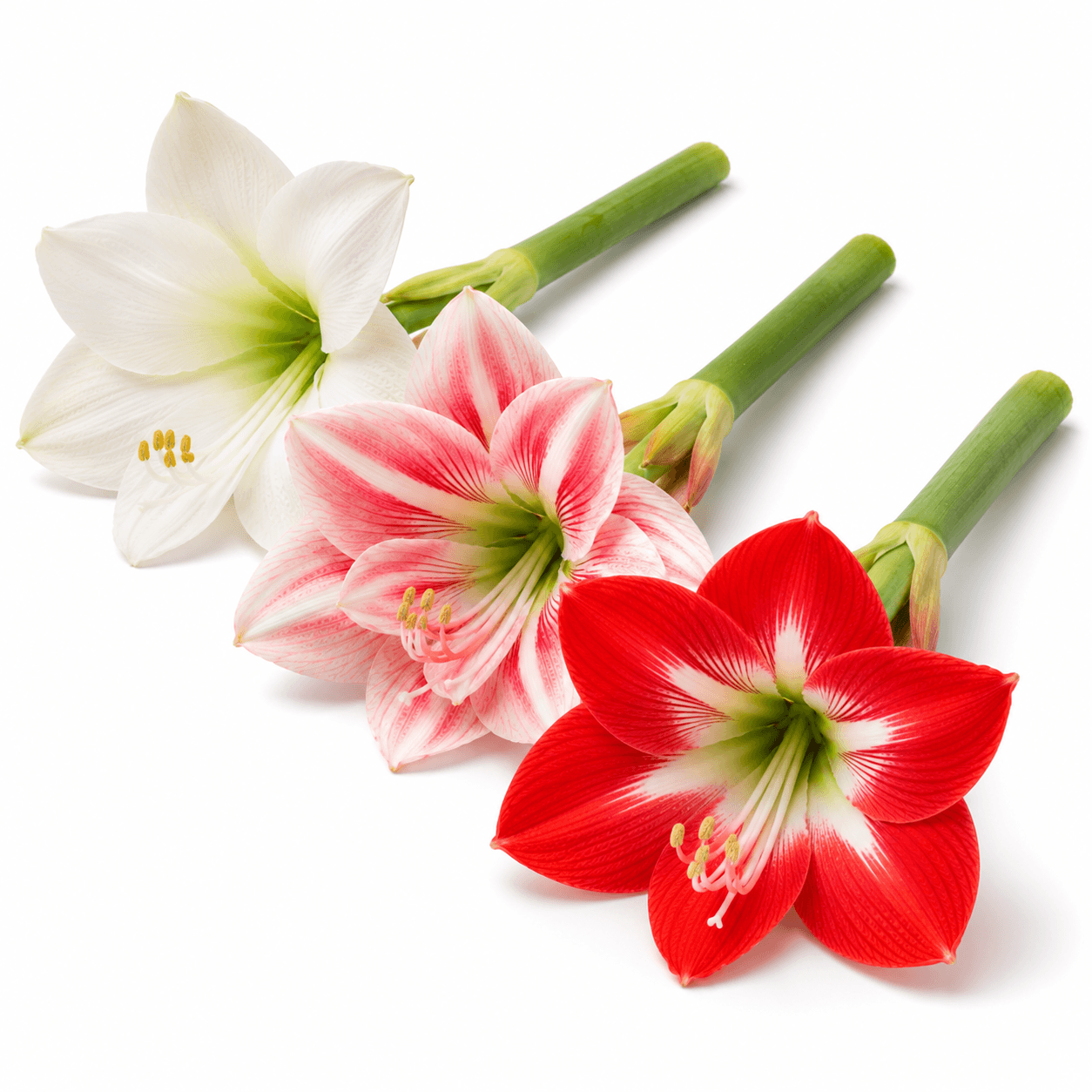
Amaryllis
Entire plant
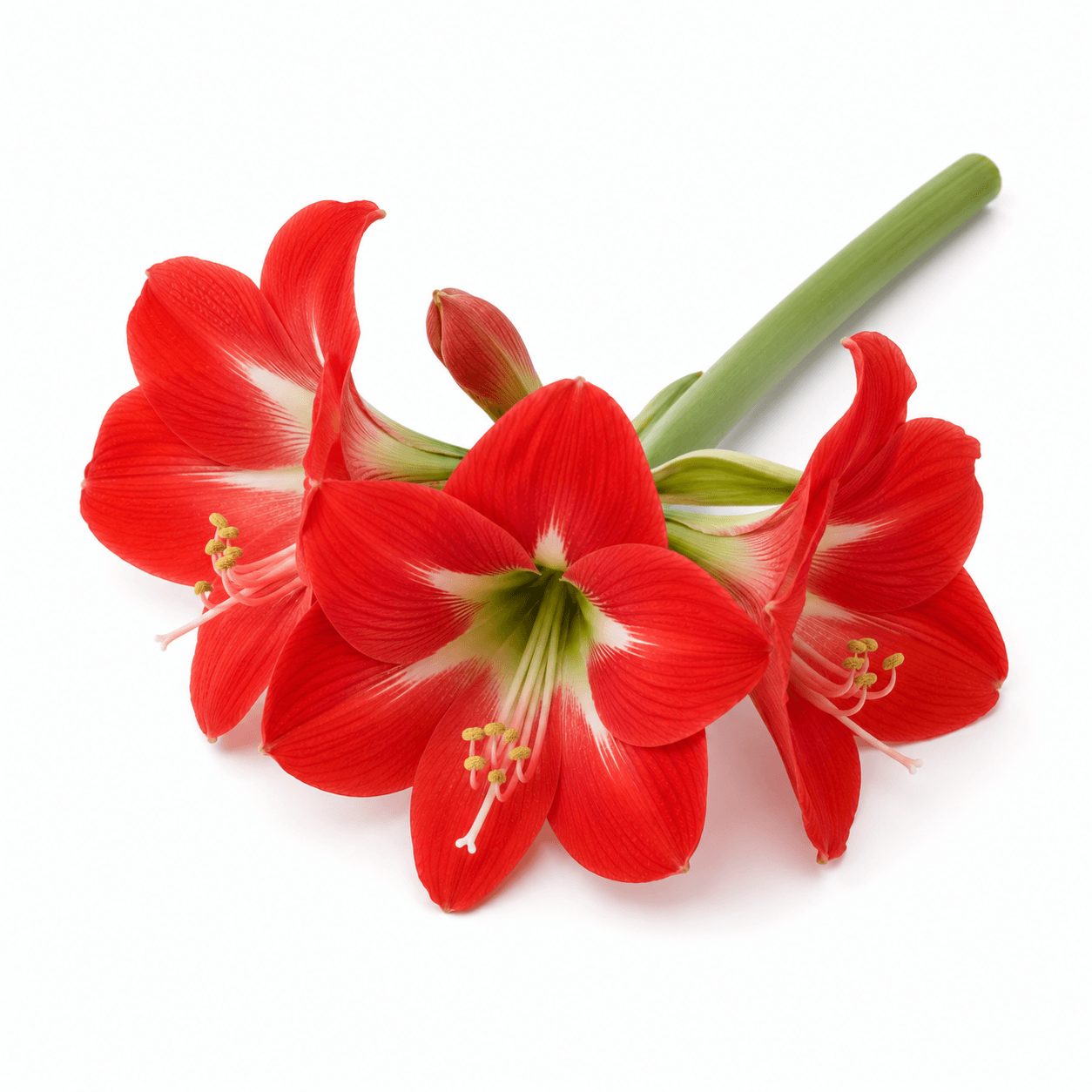
Hippeastrum
Entire plant
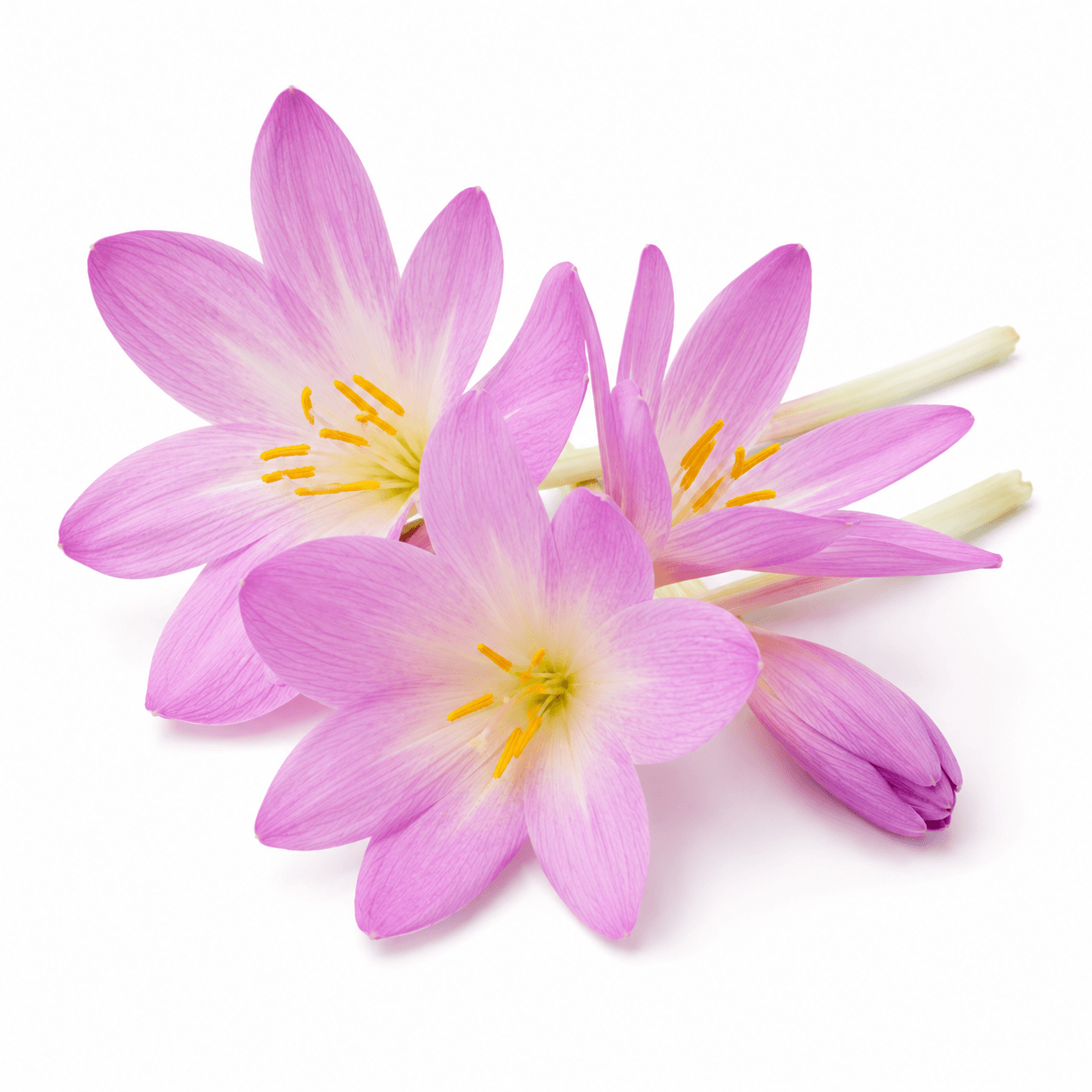
Autumn Crocus
Whole plant is toxic
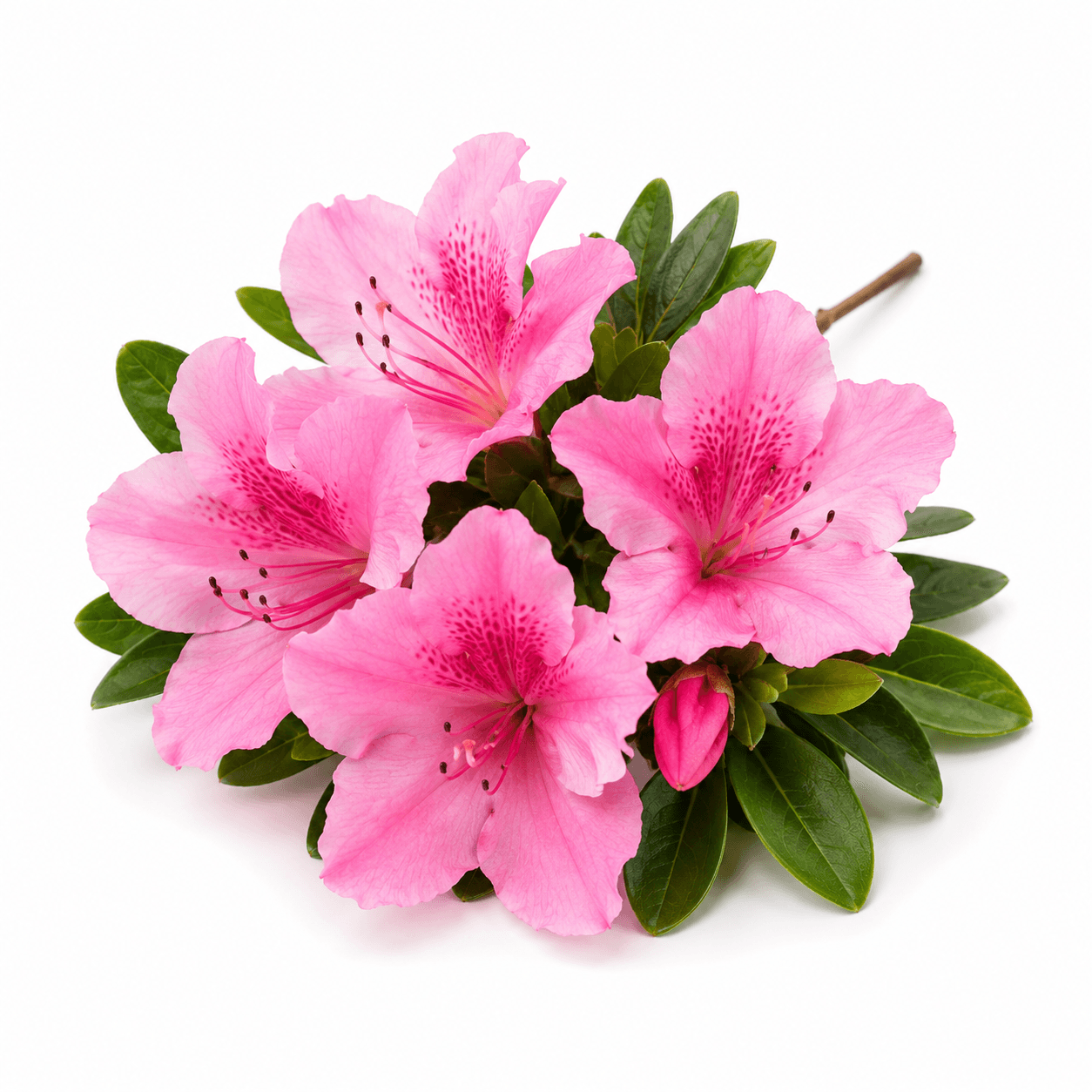
Azalea / Rhododendron
Leaves and nectar are toxic
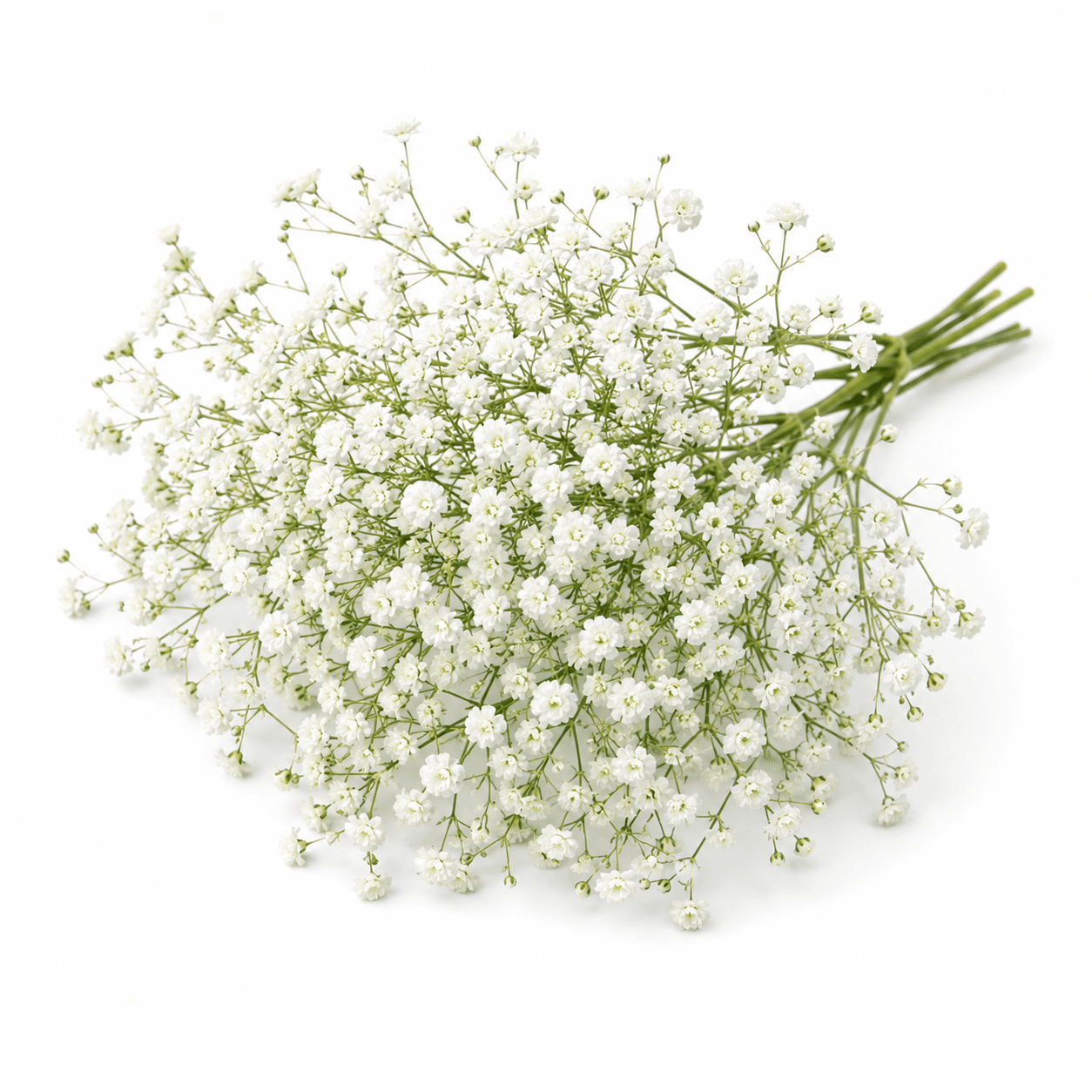
Baby's Breath (Gypsophila)
Leaves and flowers are toxic
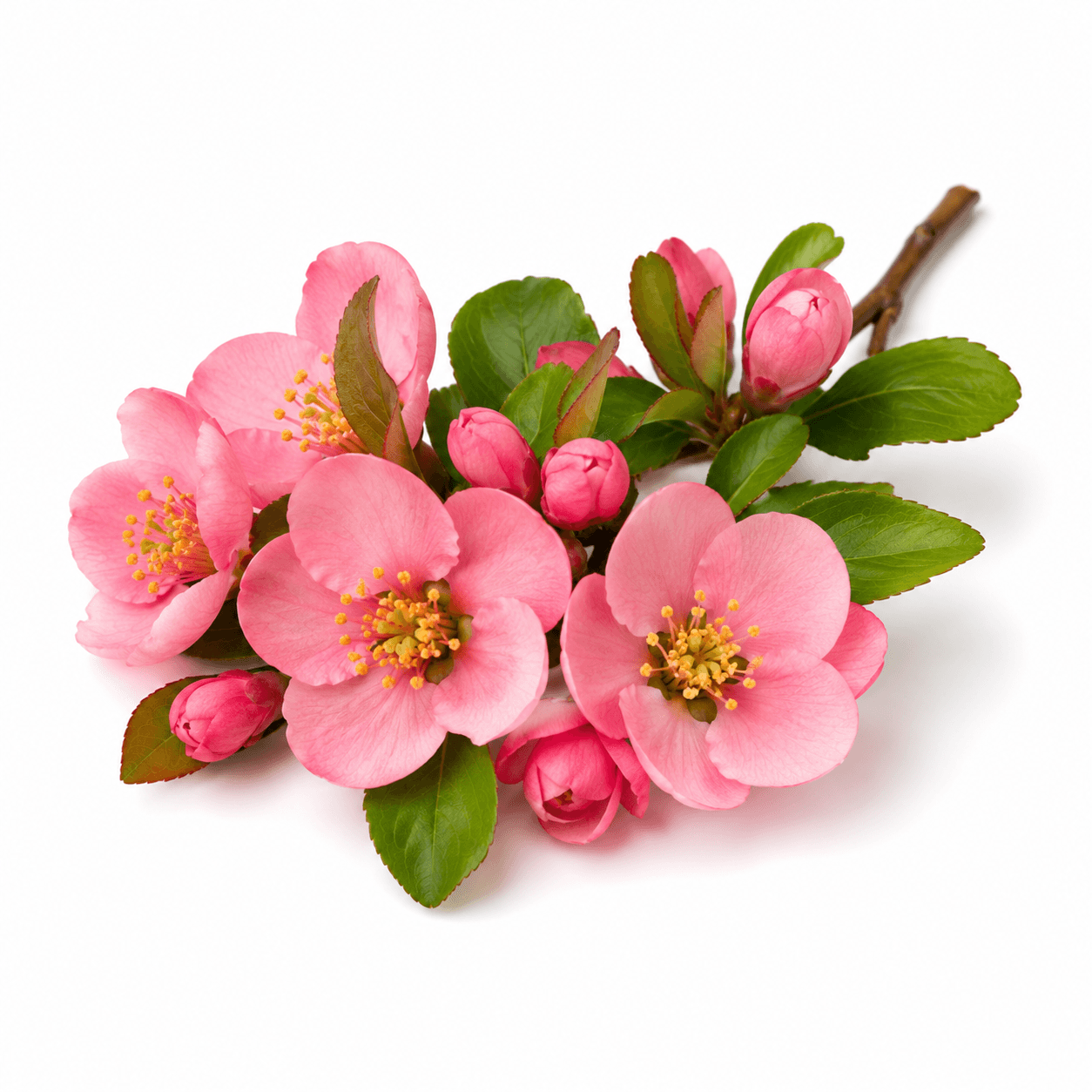
Begonia
Leaves, flowers, and stems are toxic
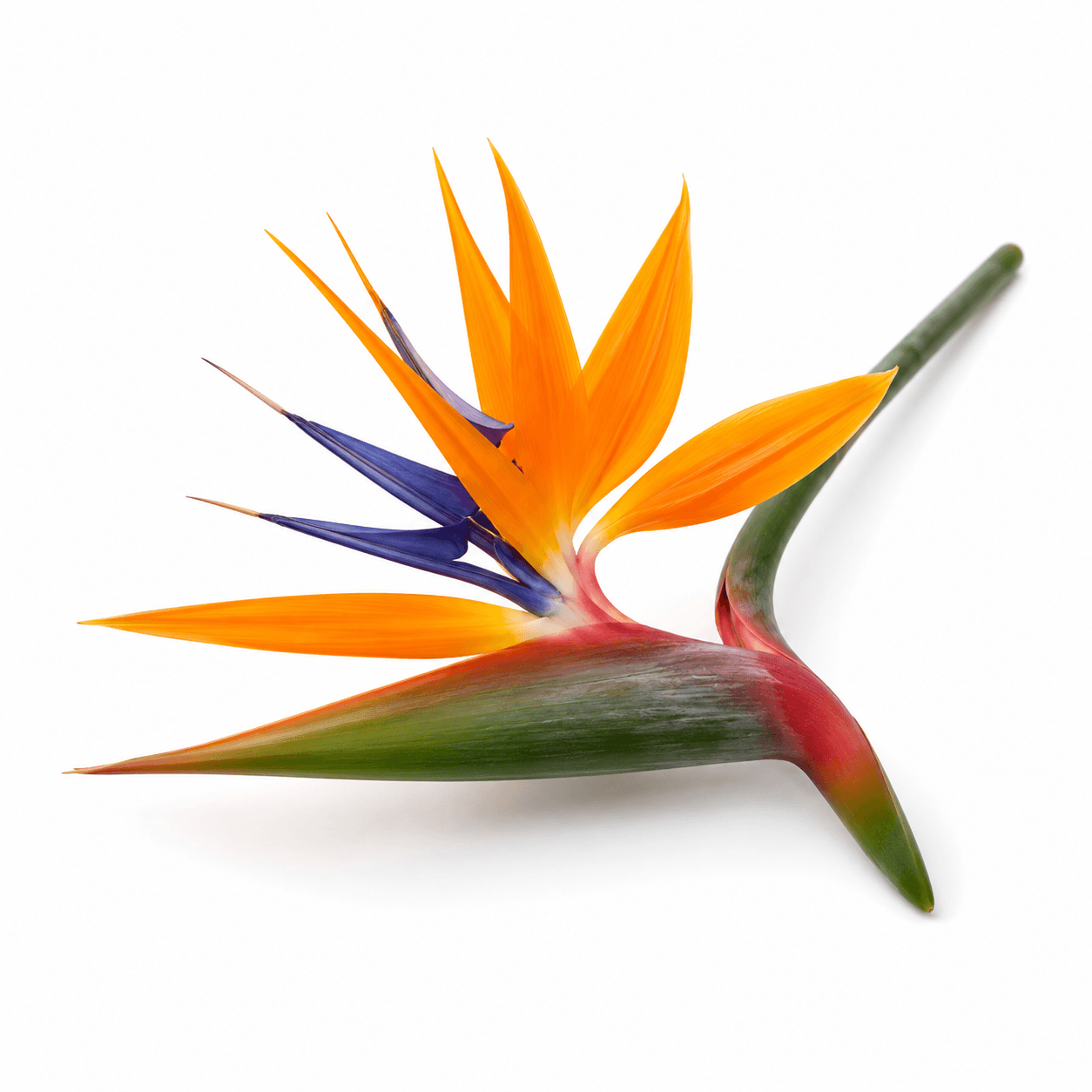
Bird of Paradise
Whole plant is toxic
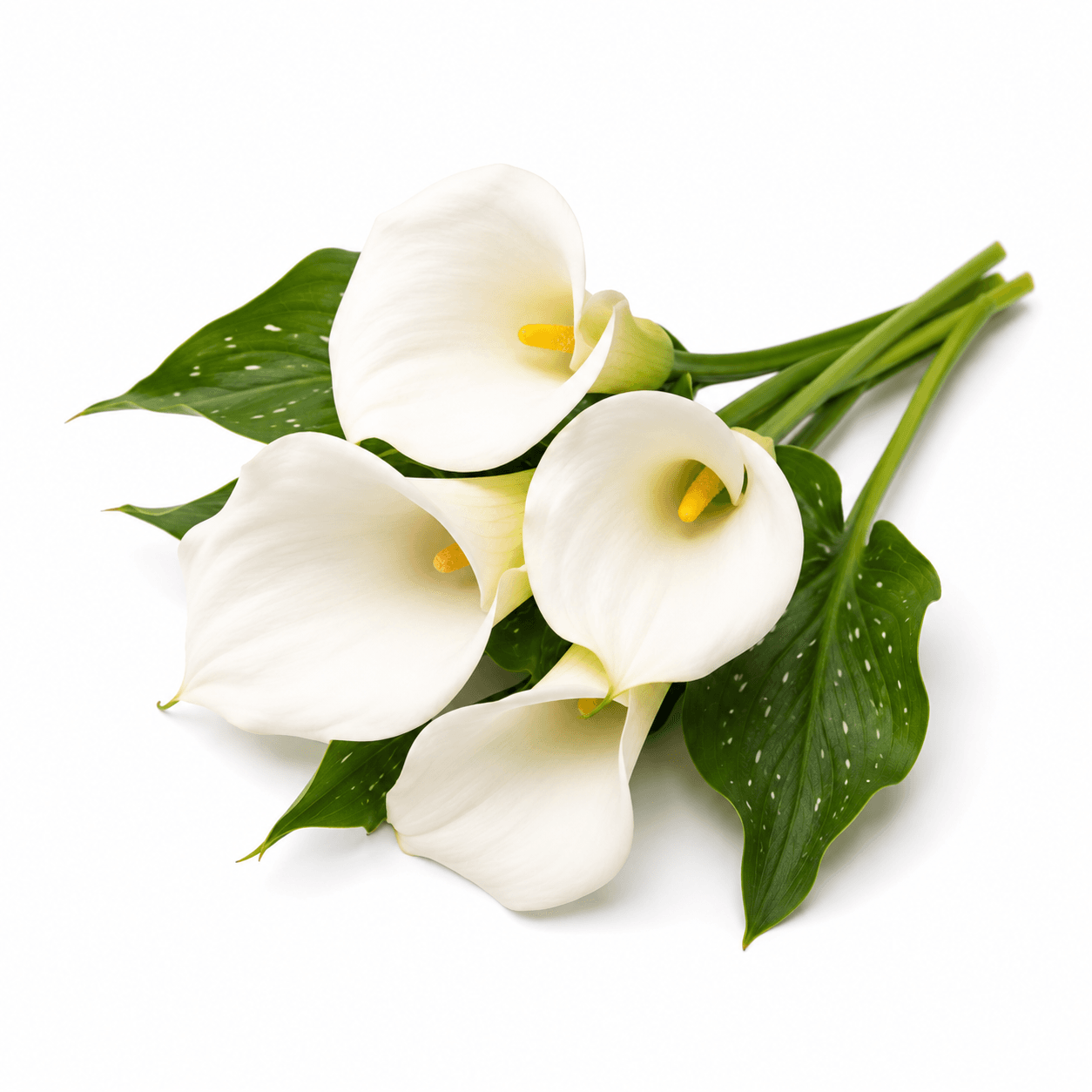
Calla Lily
Leaves are toxic
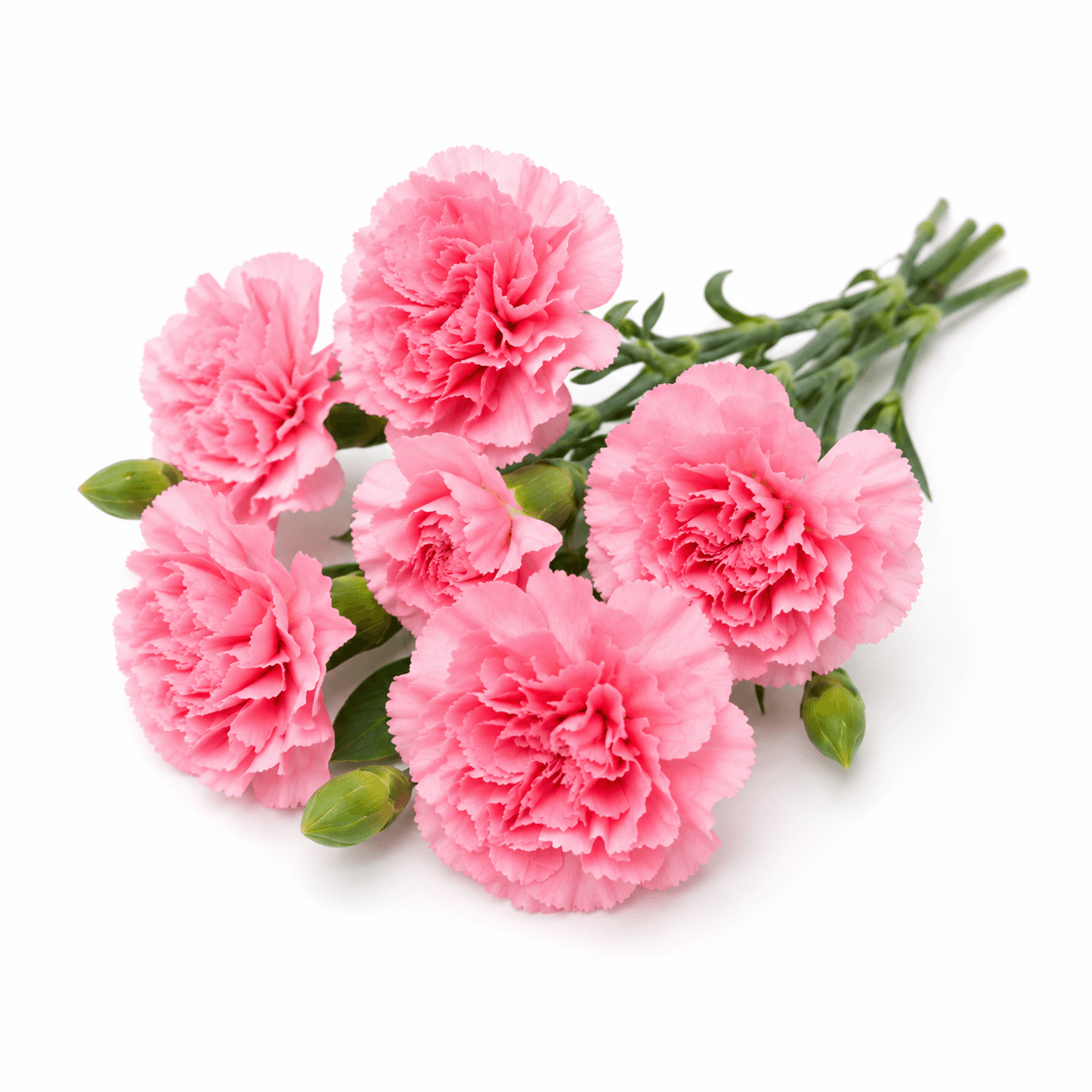
Carnation
Leaves and flowers are toxic
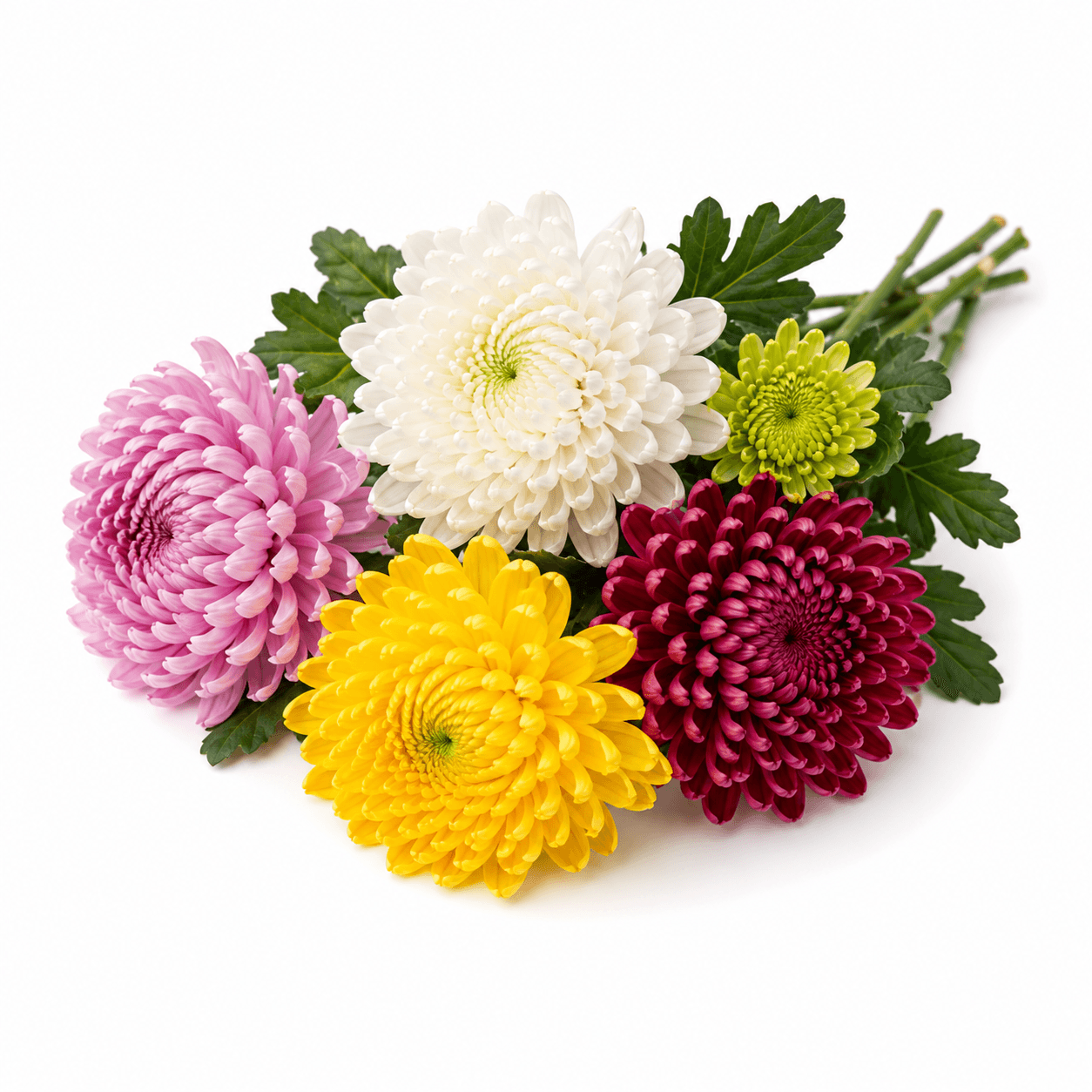
Chrysanthemum
Whole plant is toxic. This is not chamomile
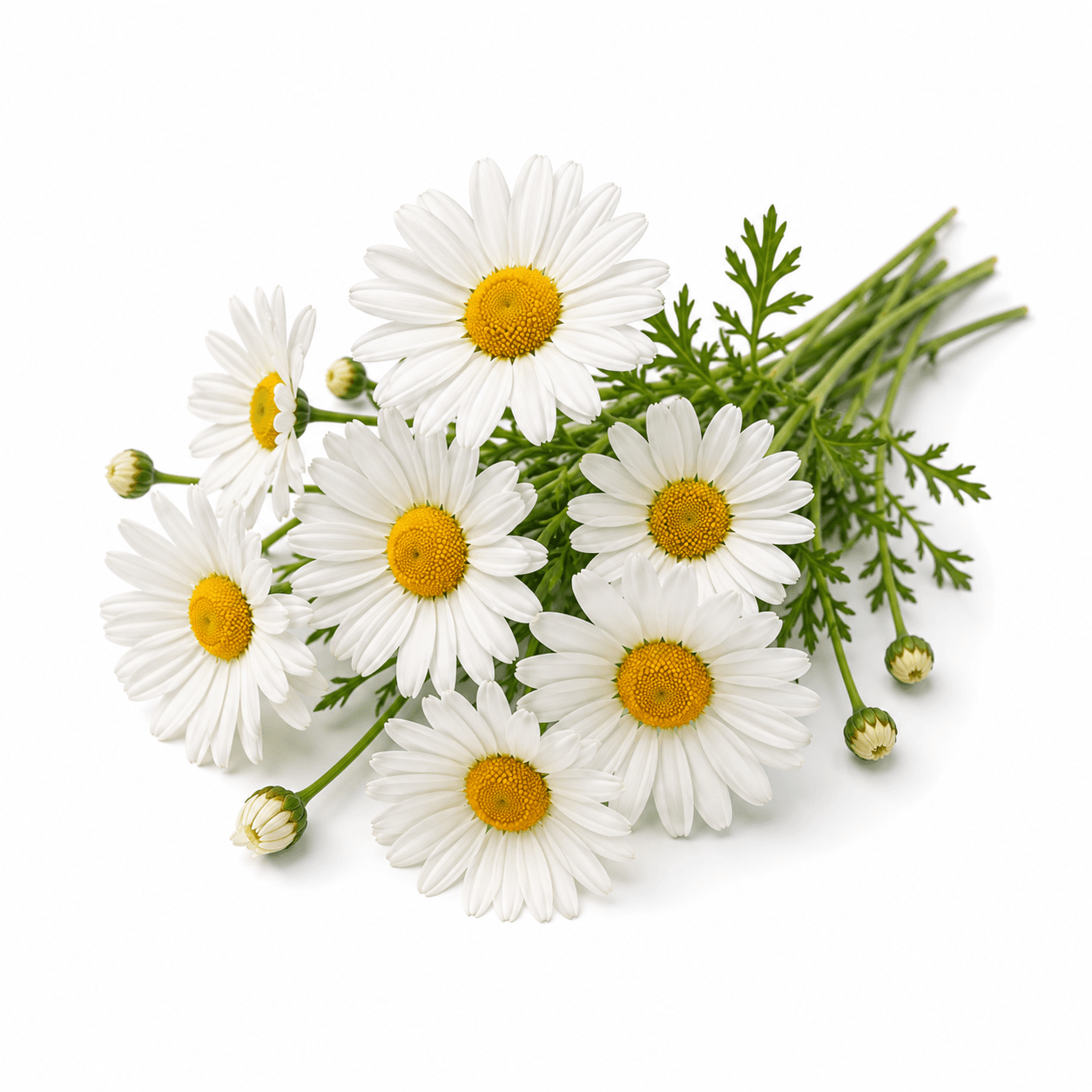
Daisy
Whole plant is toxic
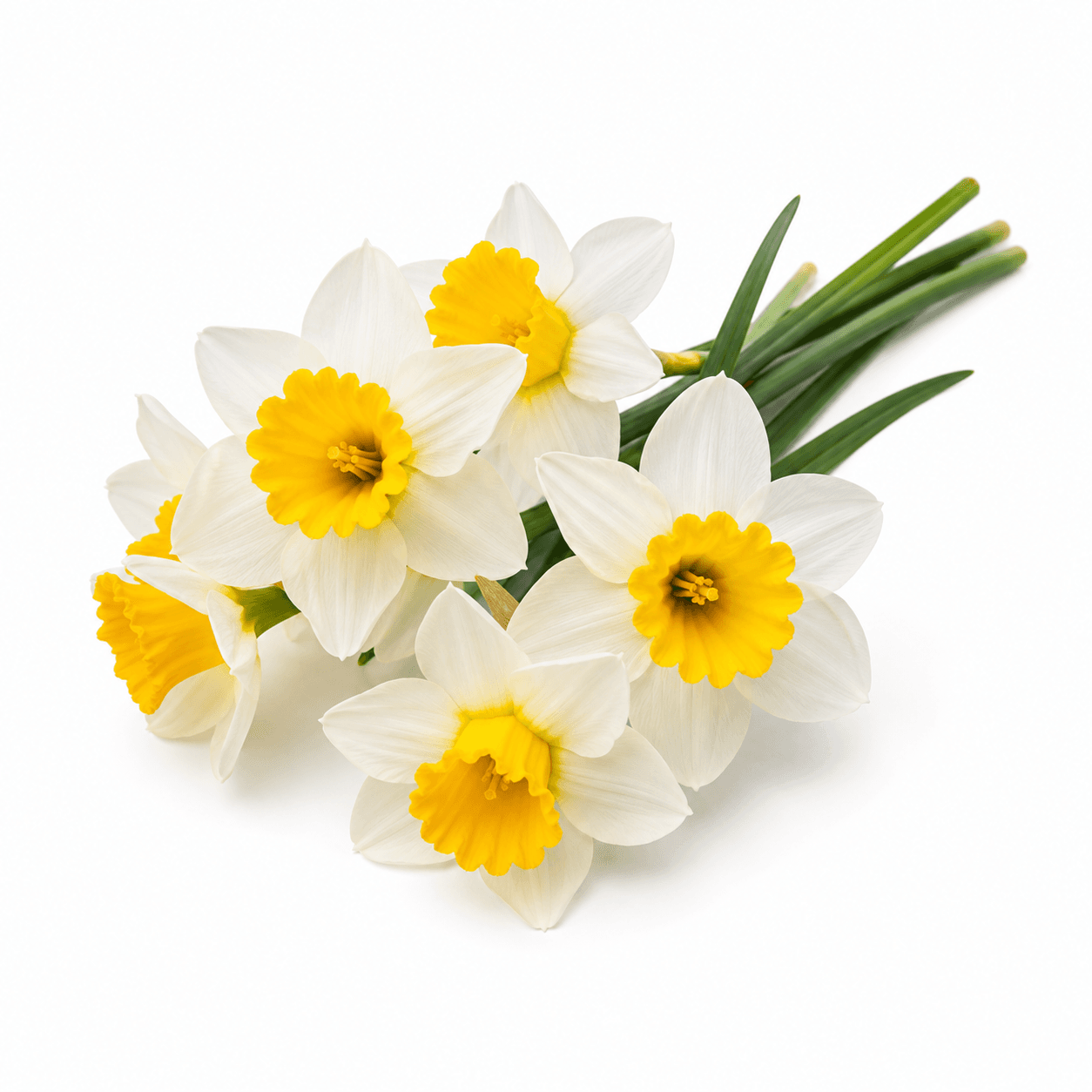
Daffodil / Narcissus
Leaves, flowers, and bulbs are toxic
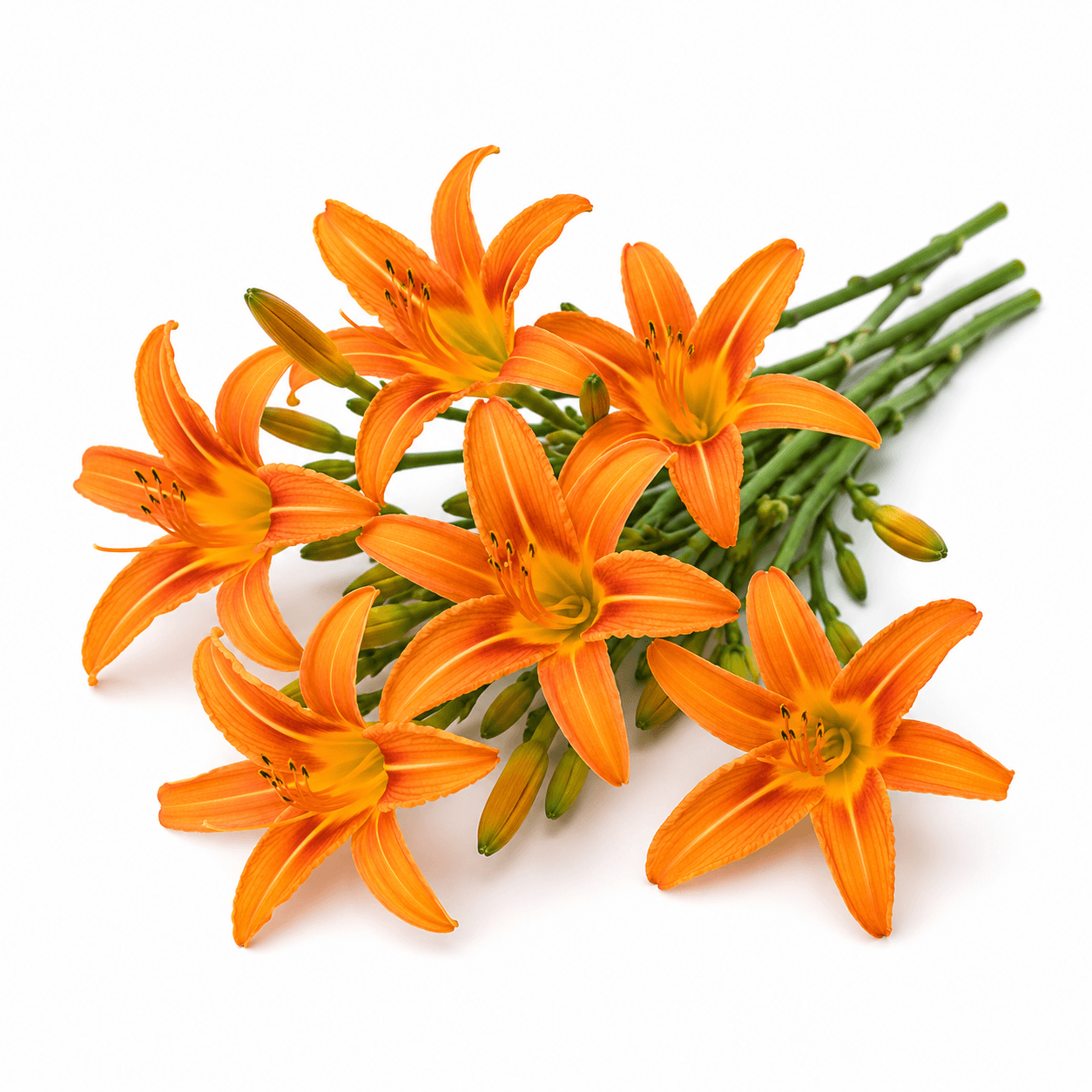
Daylily
Whole plant is toxic
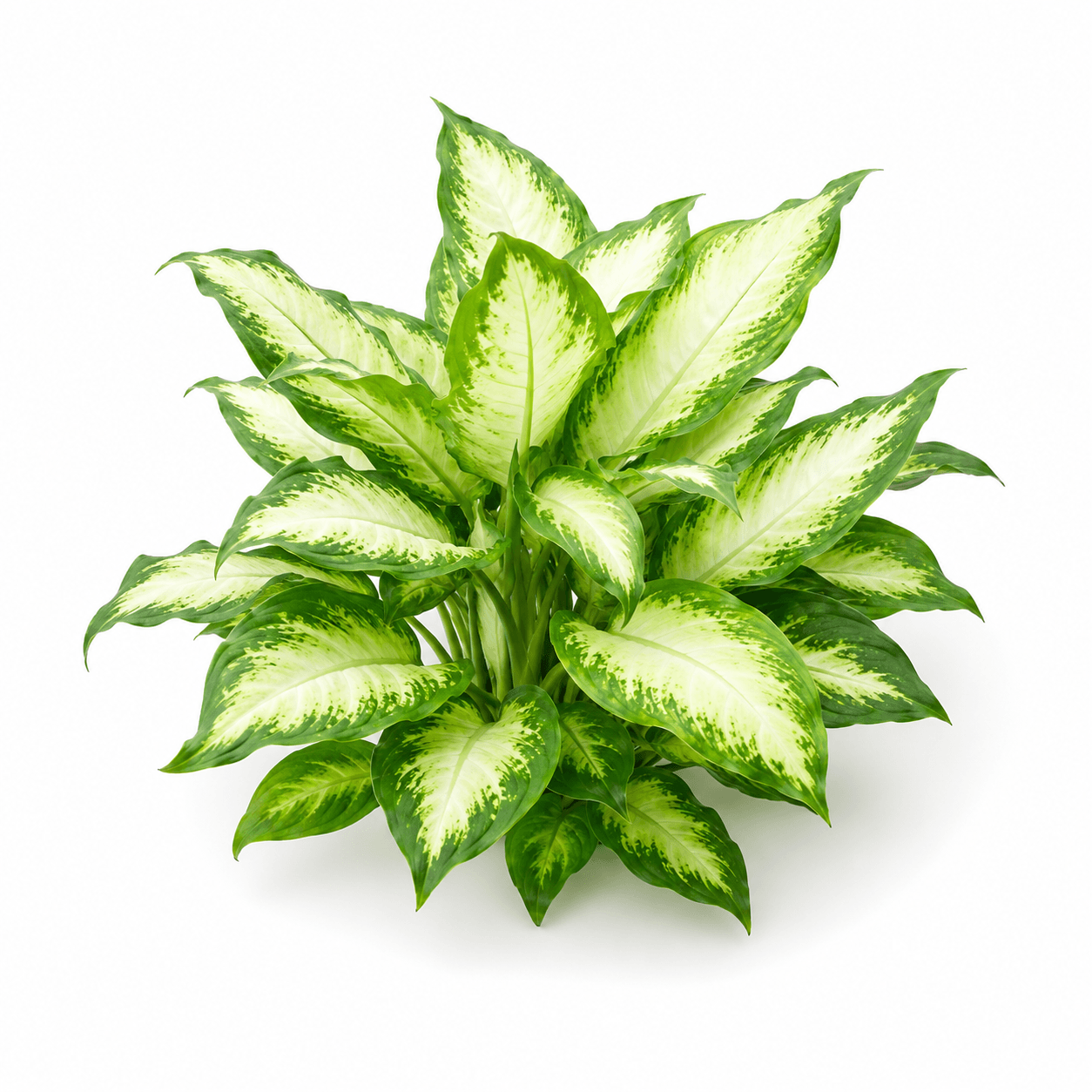
Dieffenbachia
Whole plant is toxic (leaves and stems)
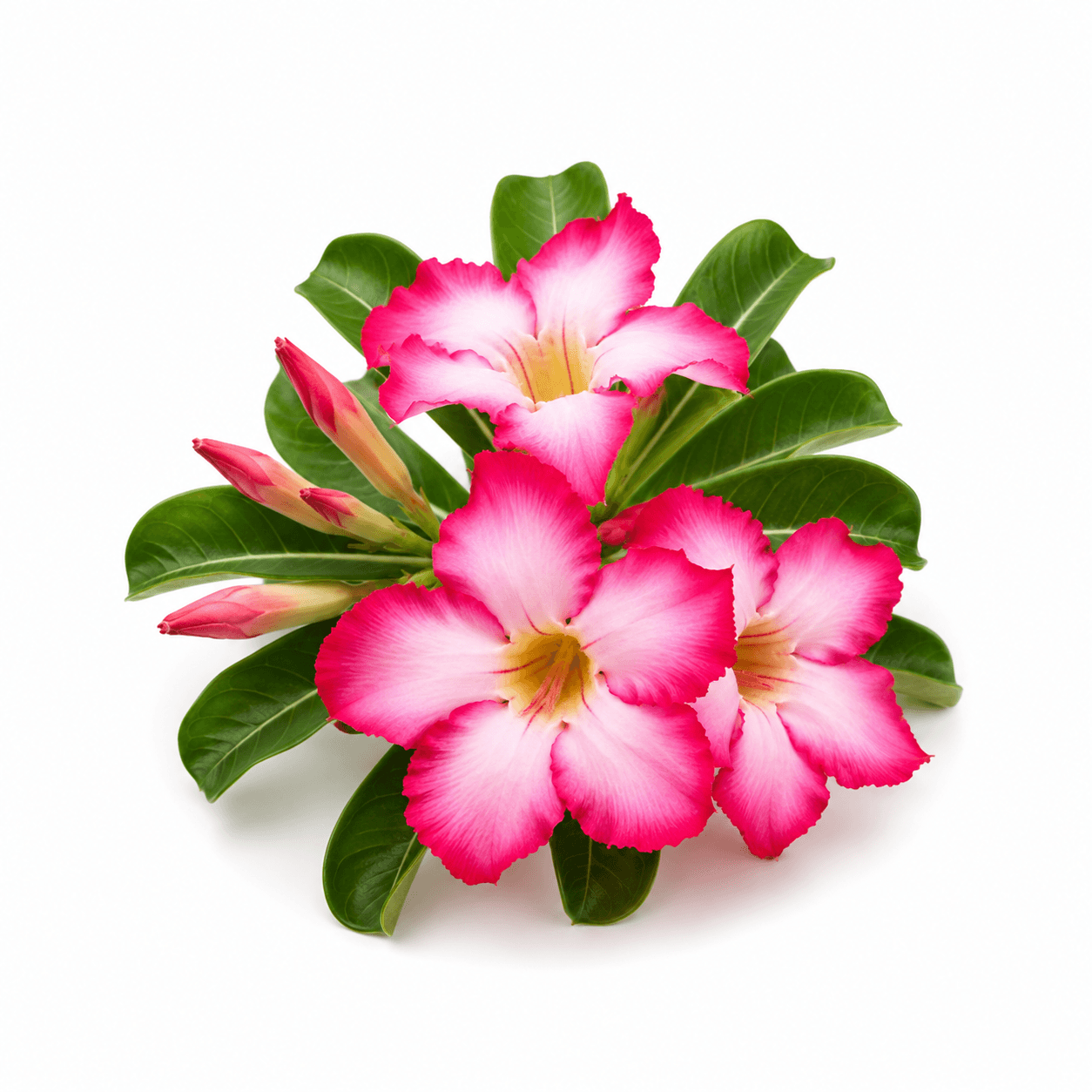
Desert Rose
Whole plant is toxic
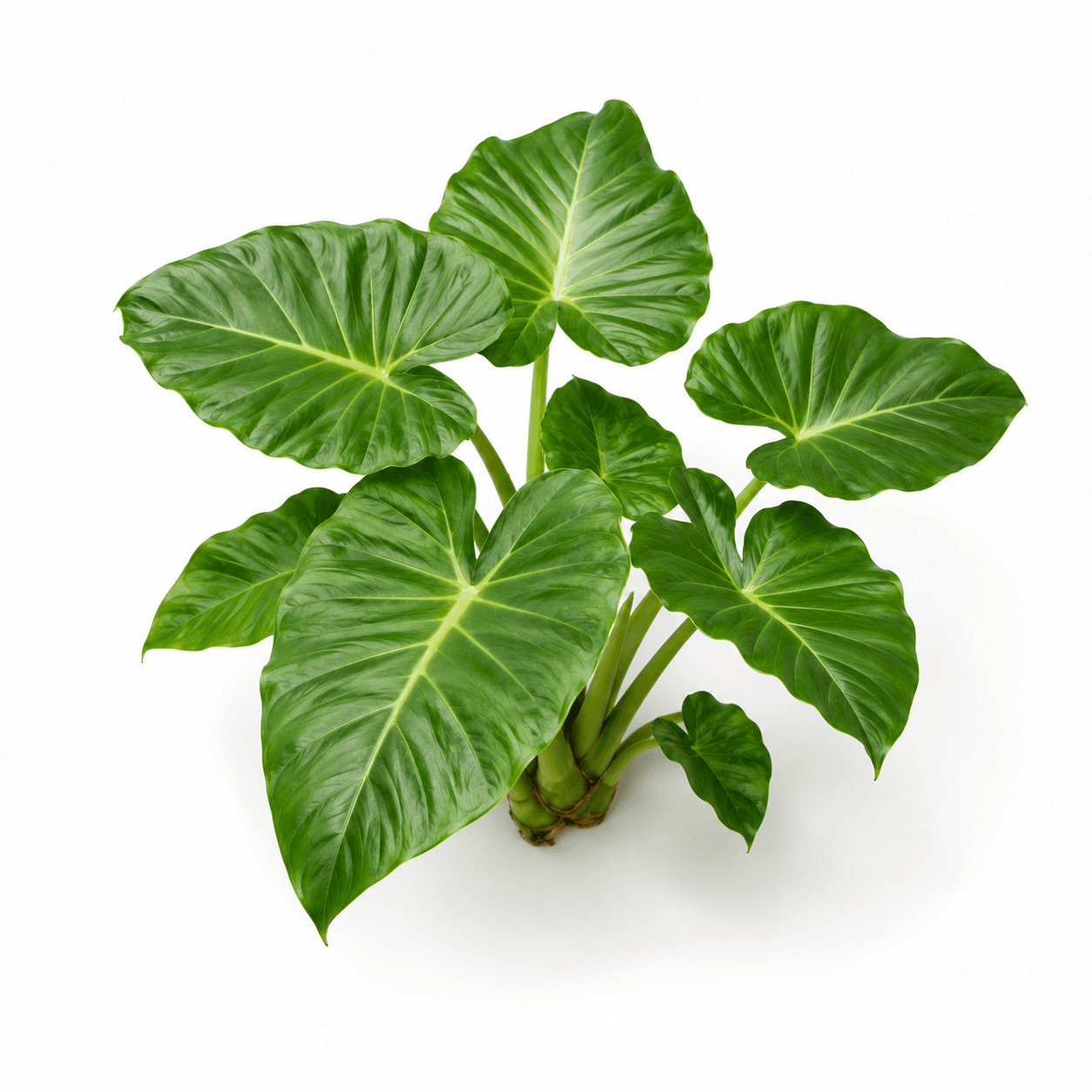
Giant Elephant Ear
Whole plant is toxic
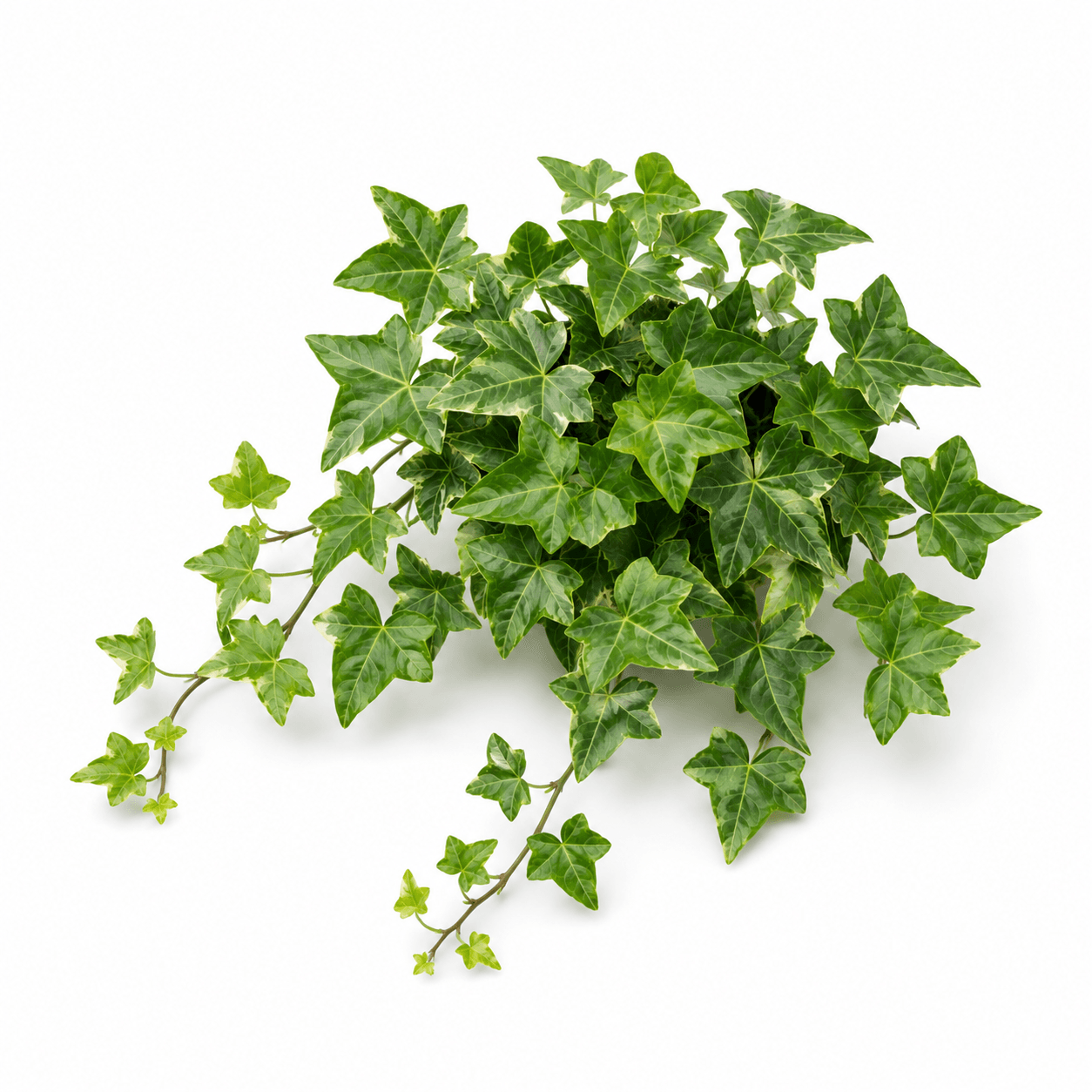
Ivy
Leaves and berries are toxic
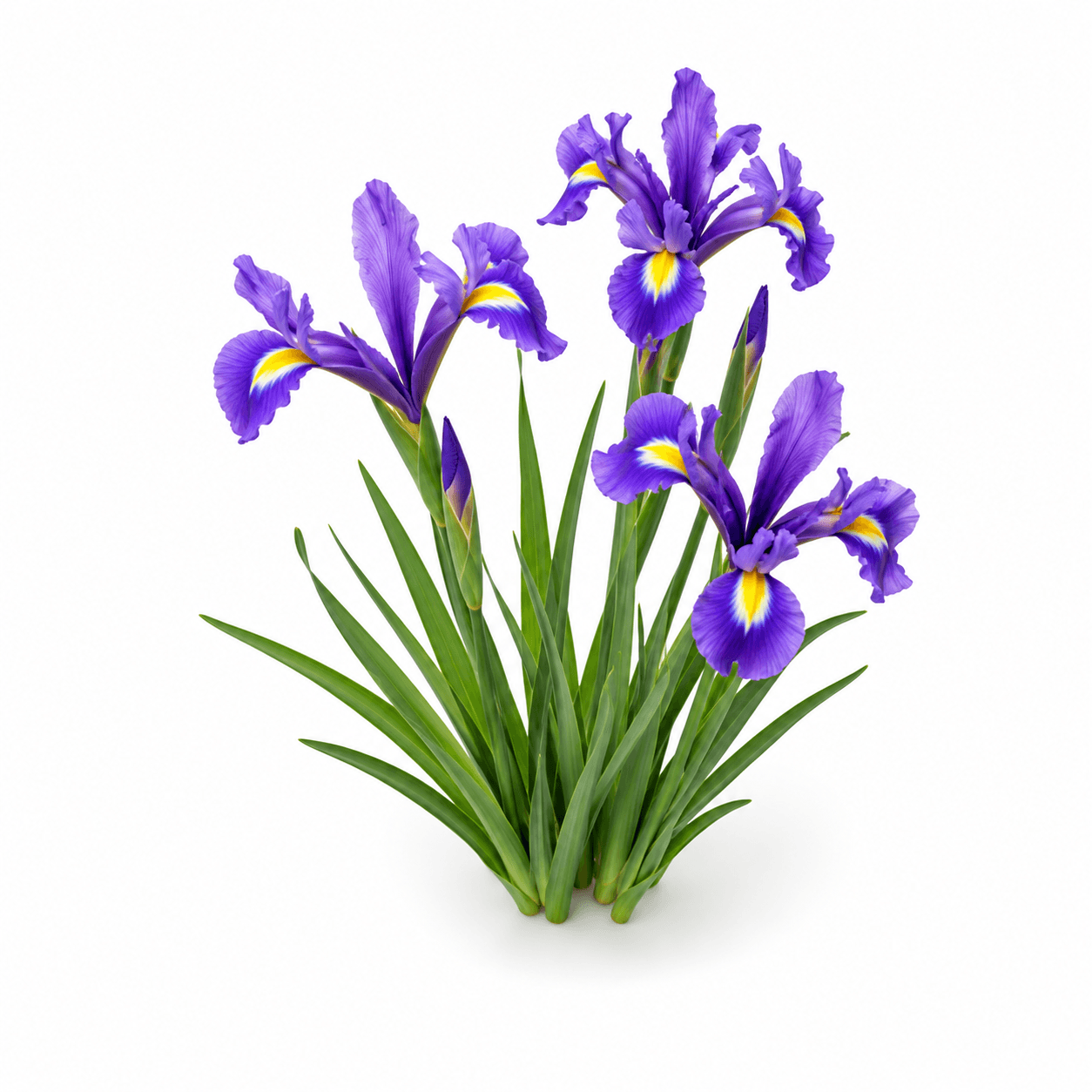
Iris
有毒植物,特別是其球莖含有毒素,誤食會導致嚴重的消化道不適
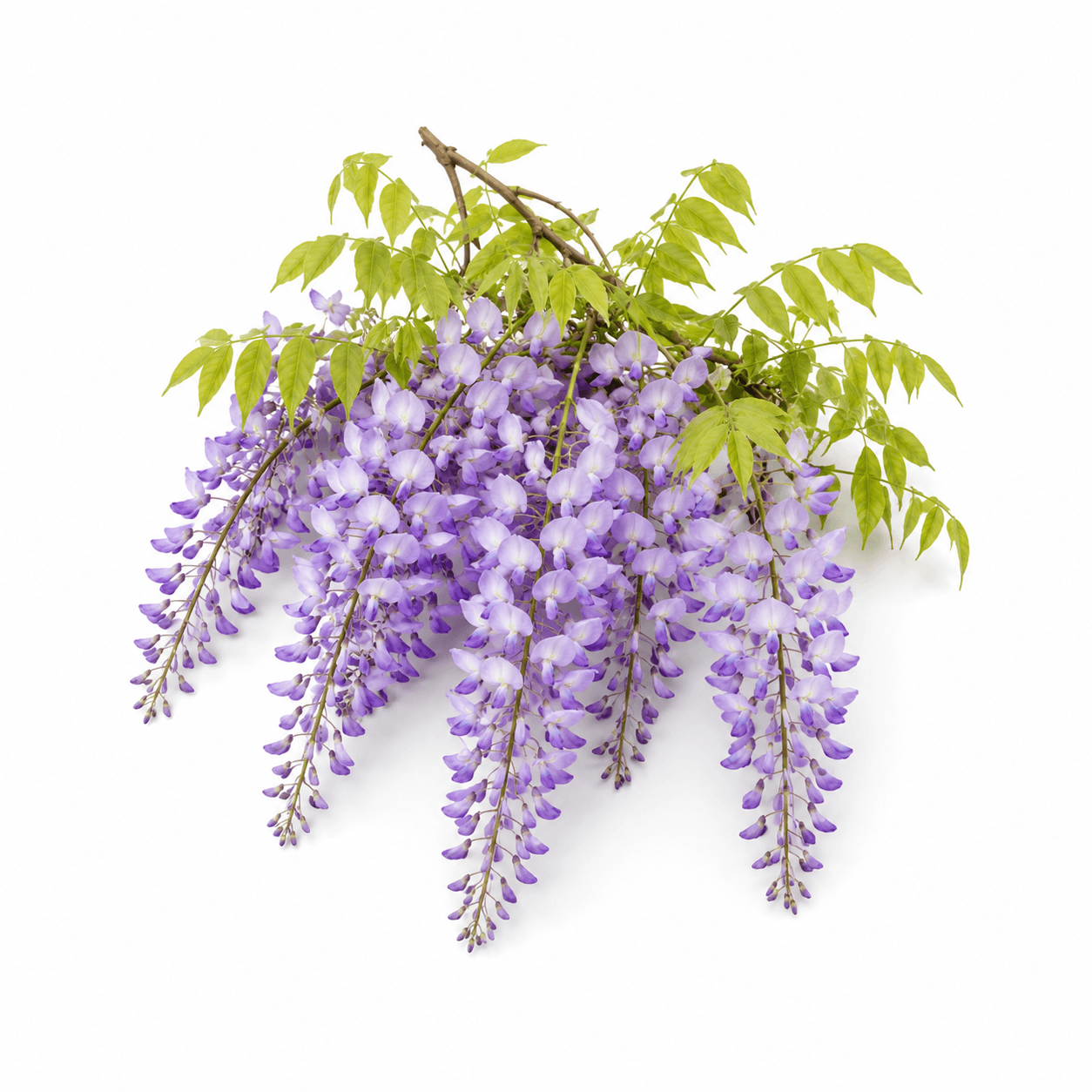
Wisteria
Whole plant is toxic
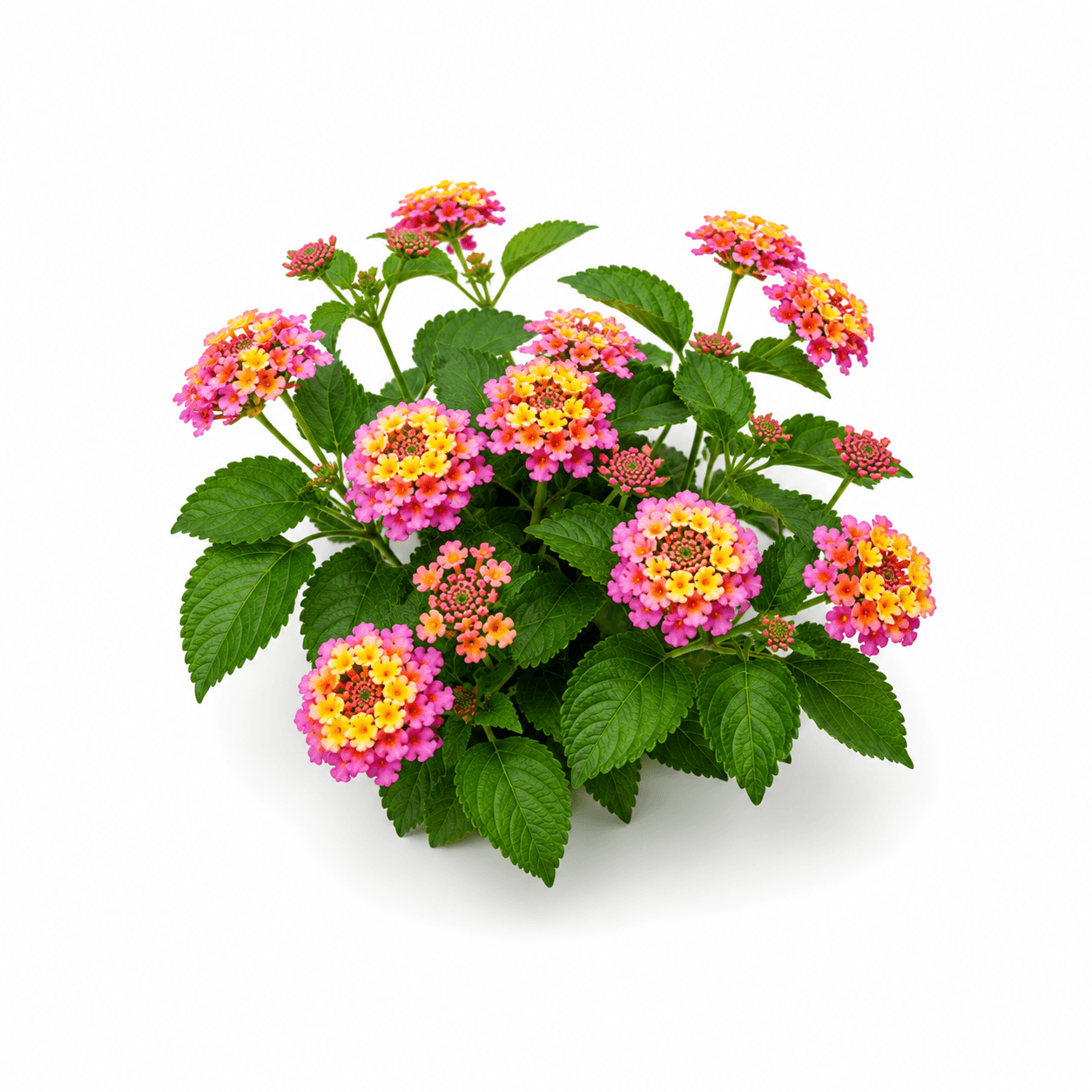
Lantana
Whole plant is toxic
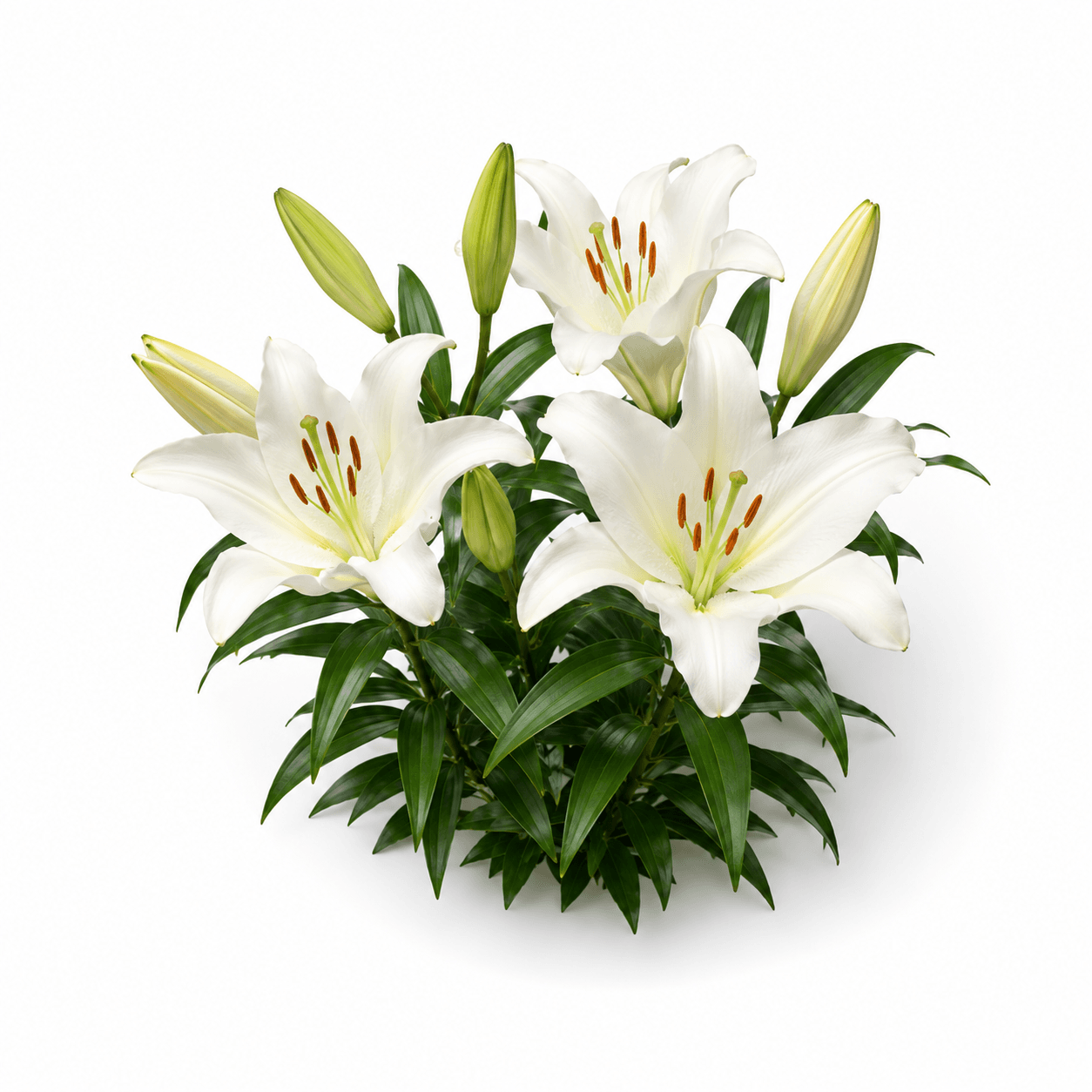
Lily
Whole plant is toxic
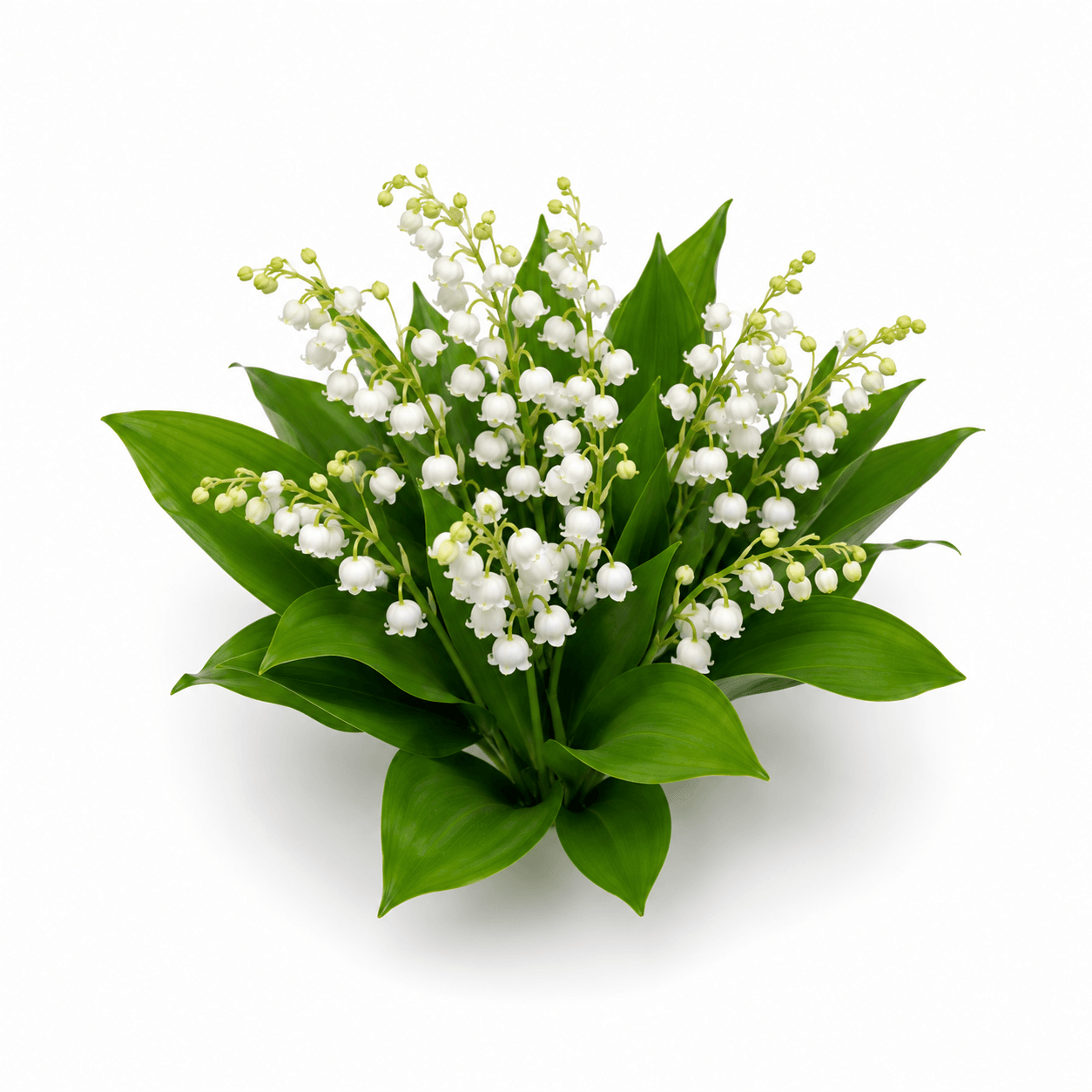
Lily of the Valley
Whole plant is toxic
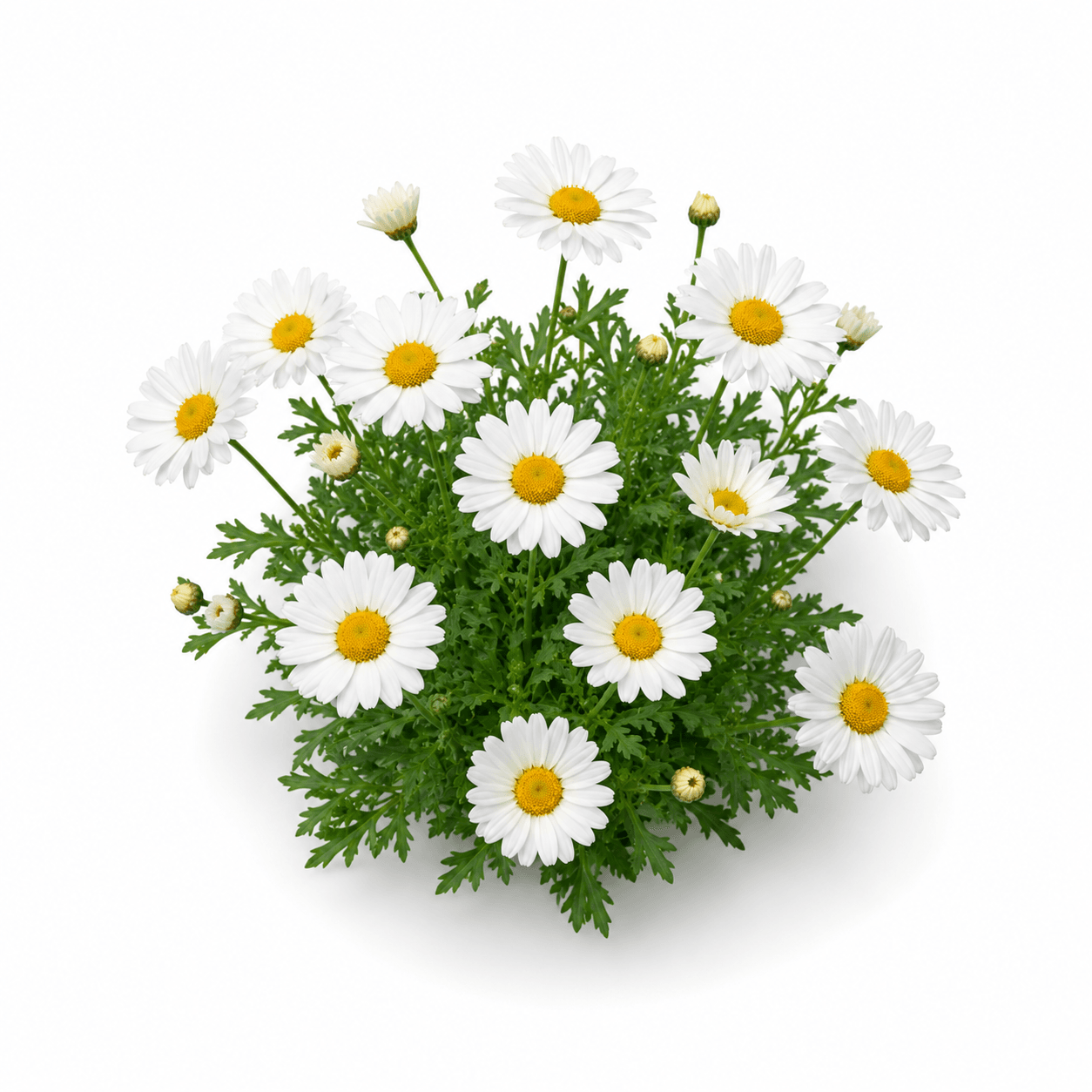
Marguerite Daisy
Sap is toxic
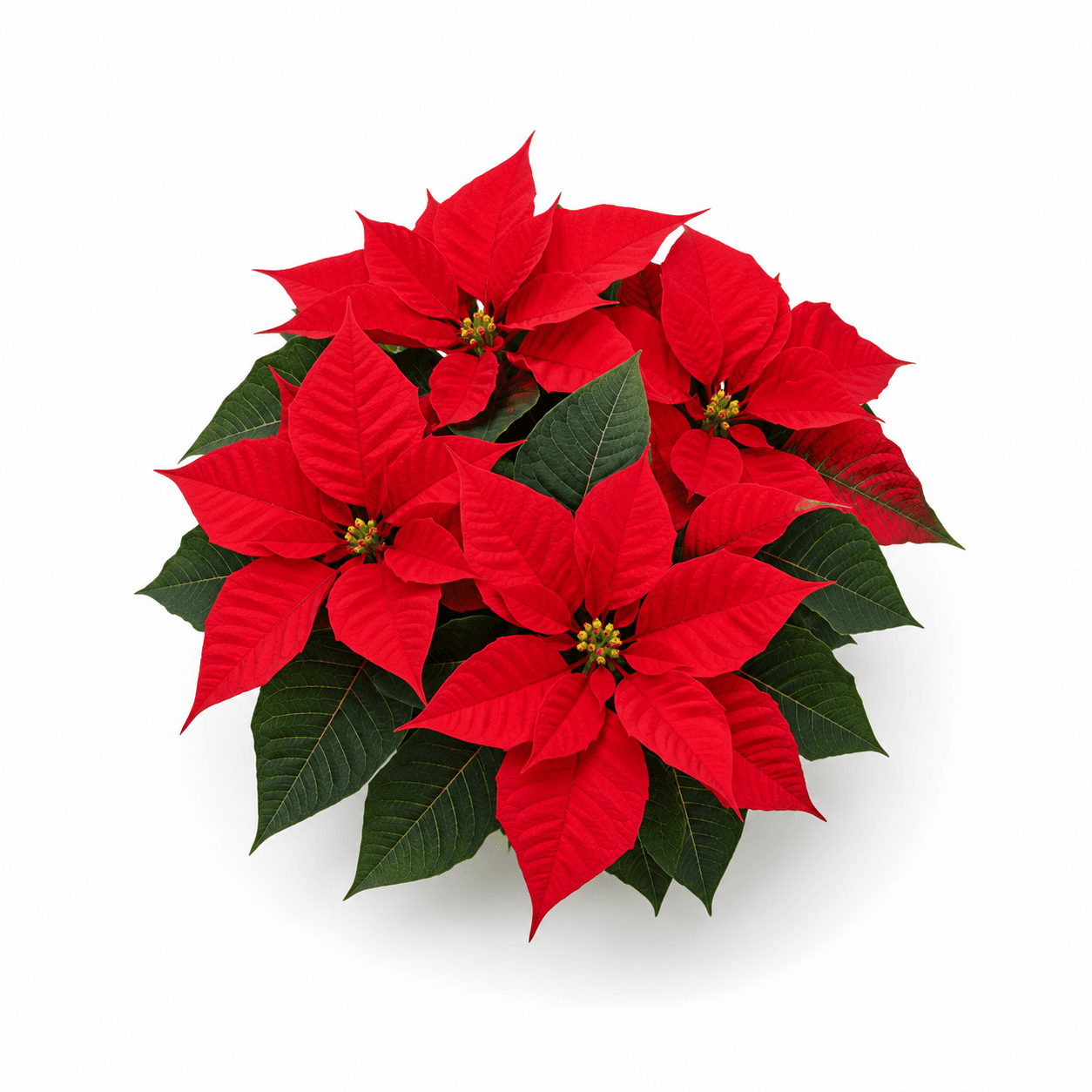
Poinsettia
Leaves and stems are toxic
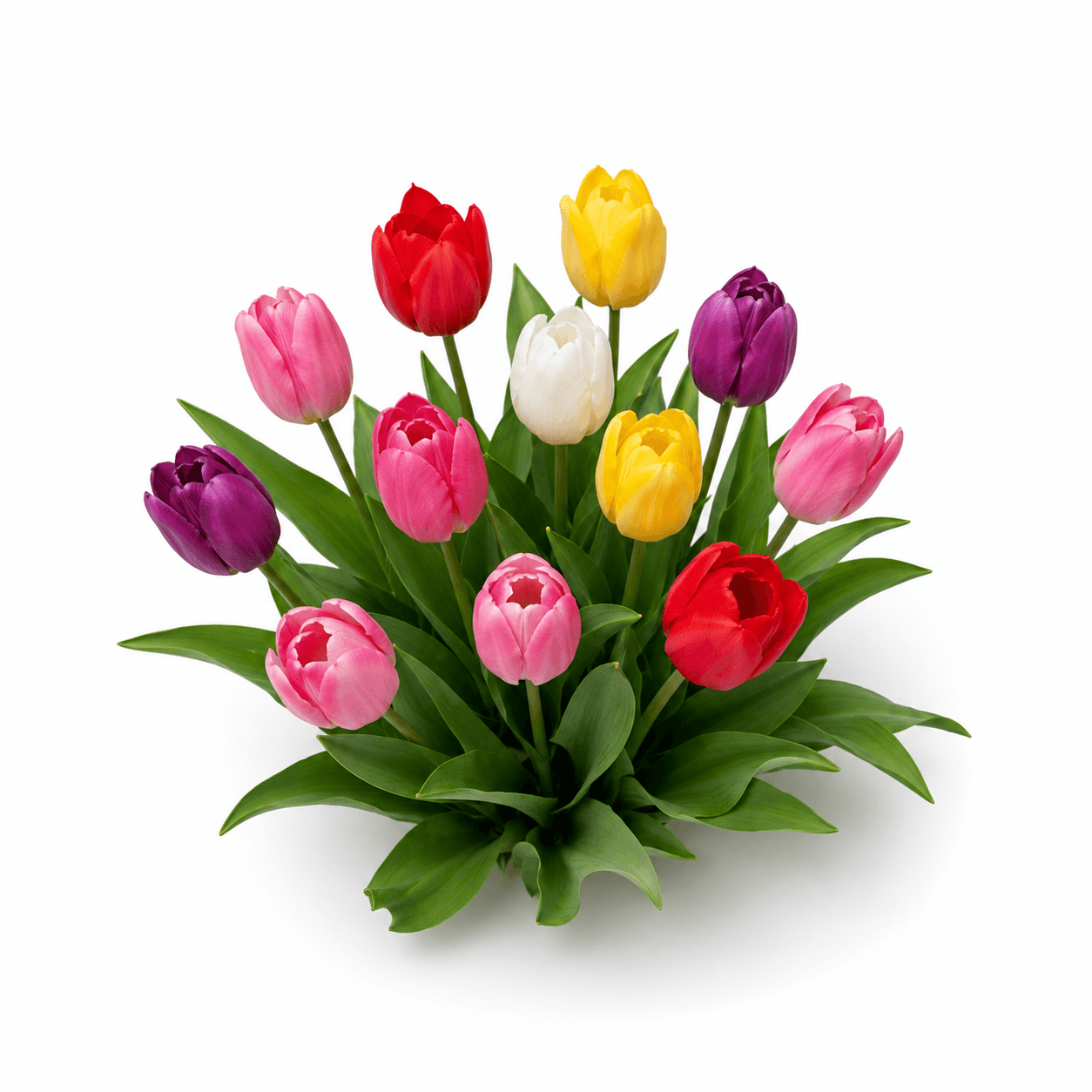
Tulip
Bulbs are toxic
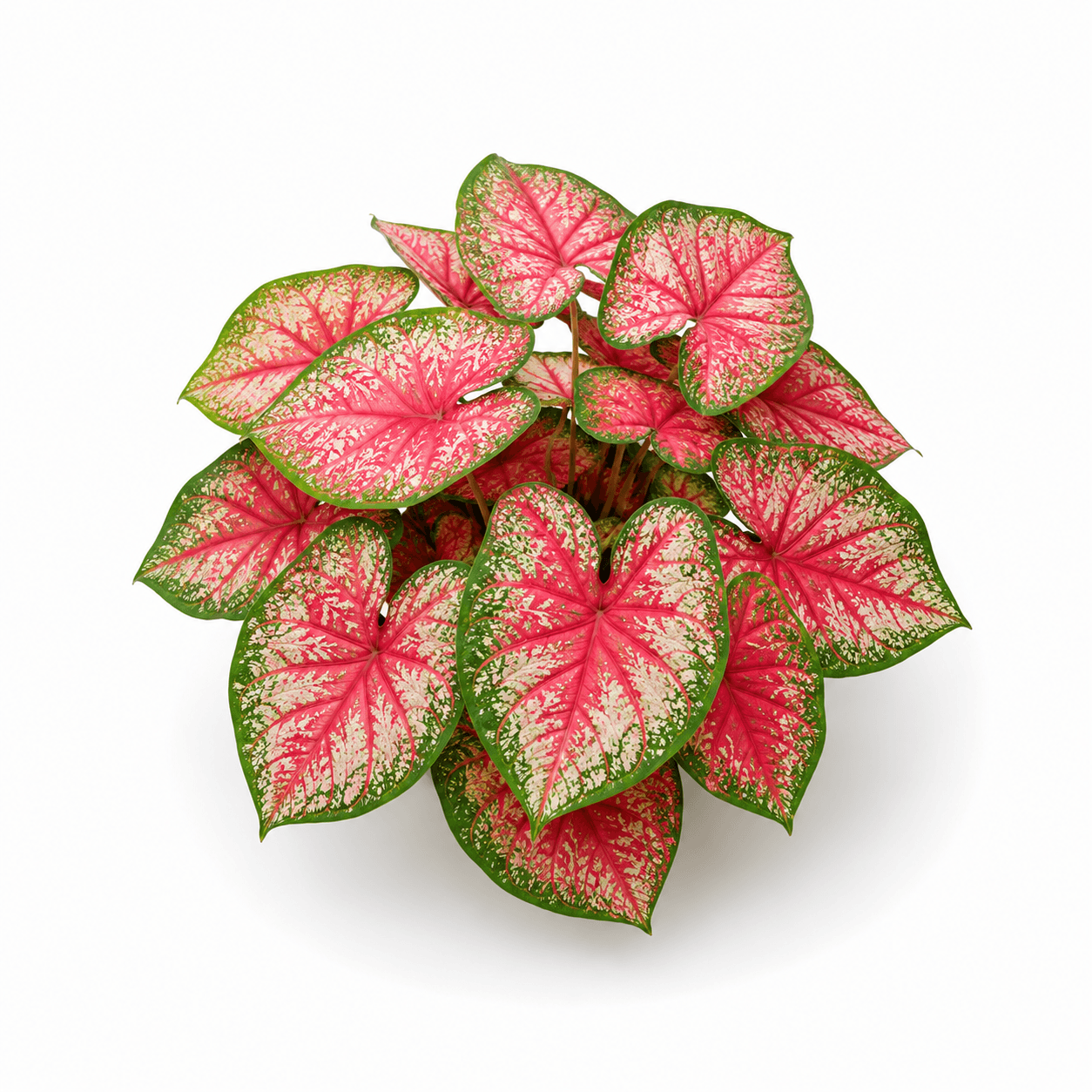
Caladium
Tubers and leaves are toxic
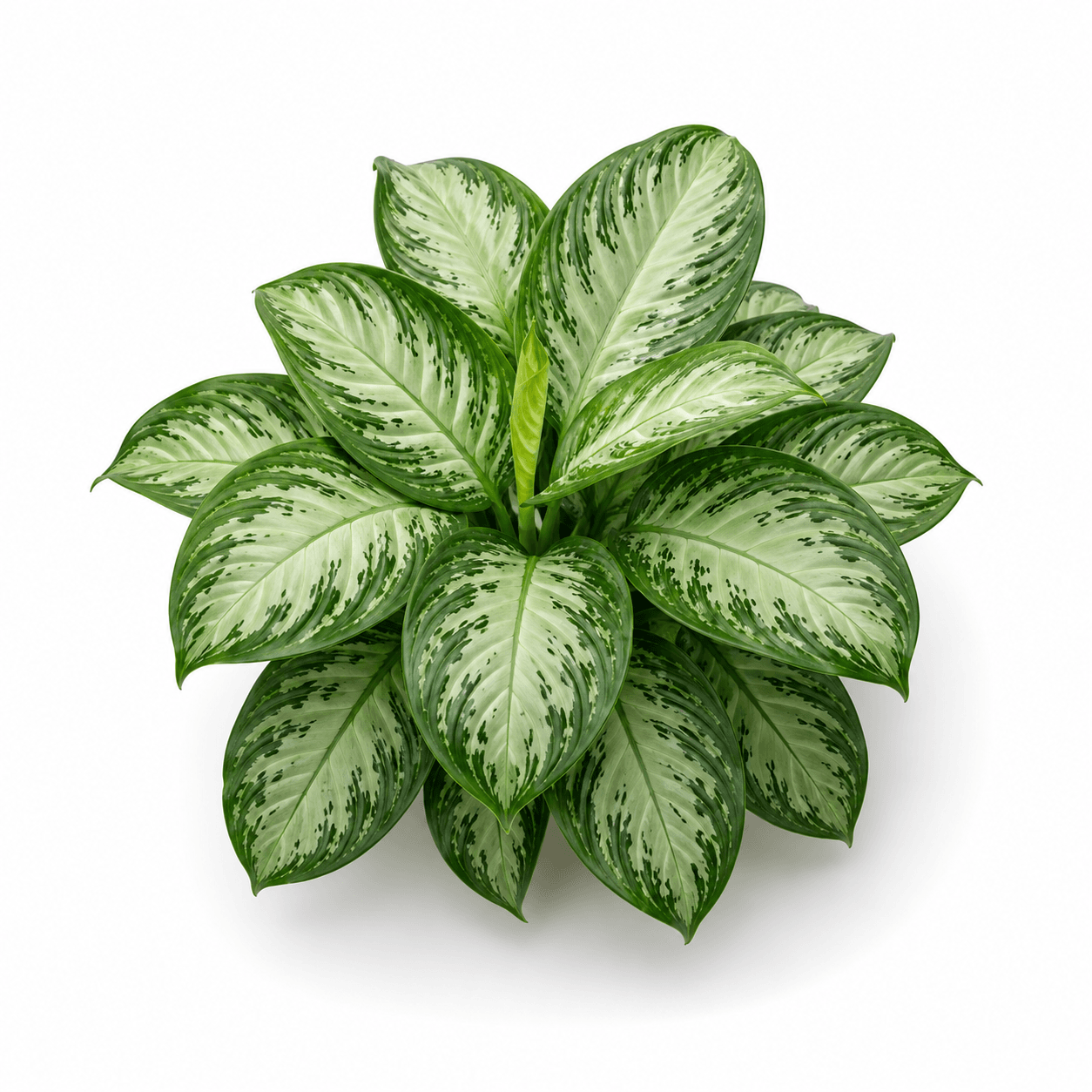
Aglaonema
Whole plant is toxic
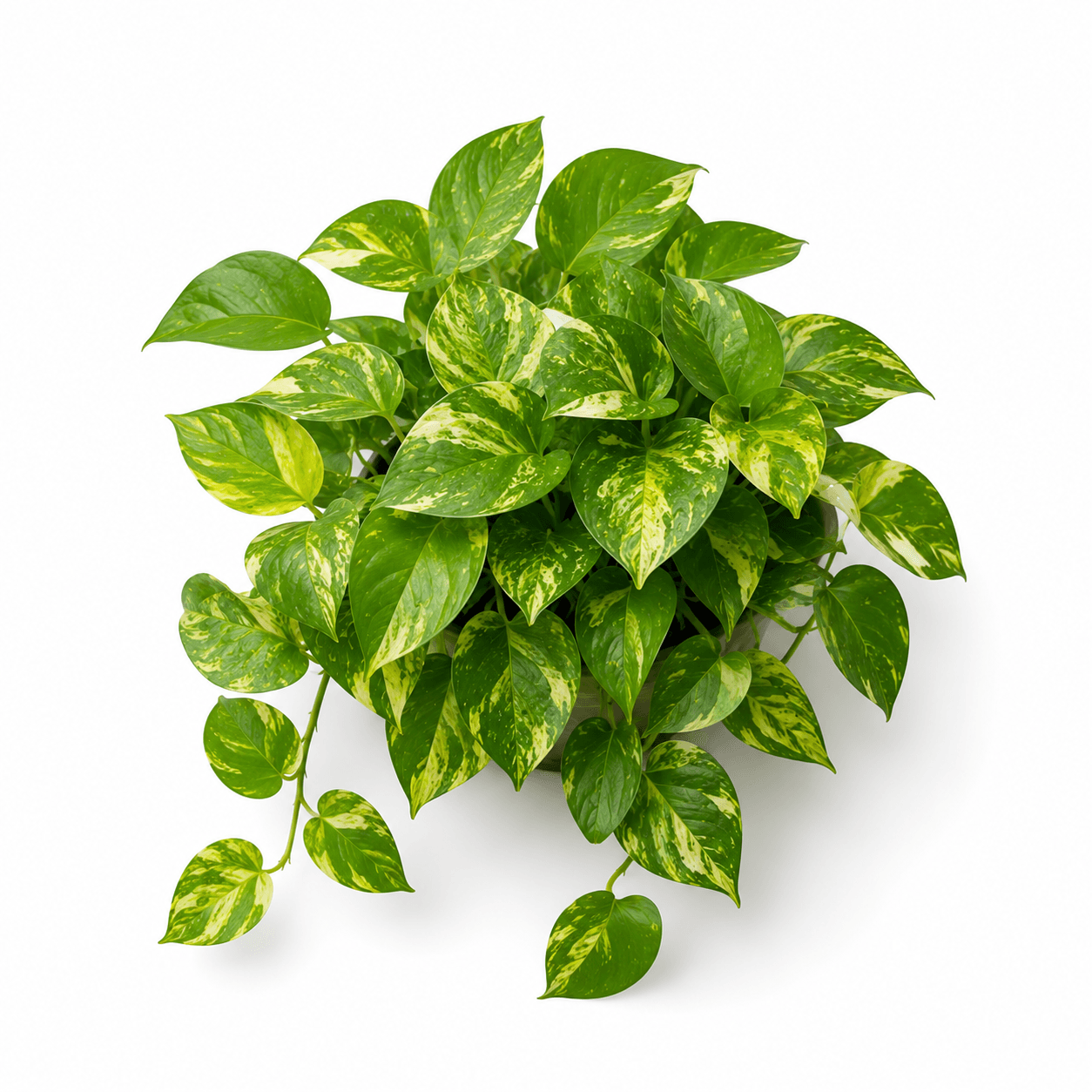
Pothos
Sap is toxic
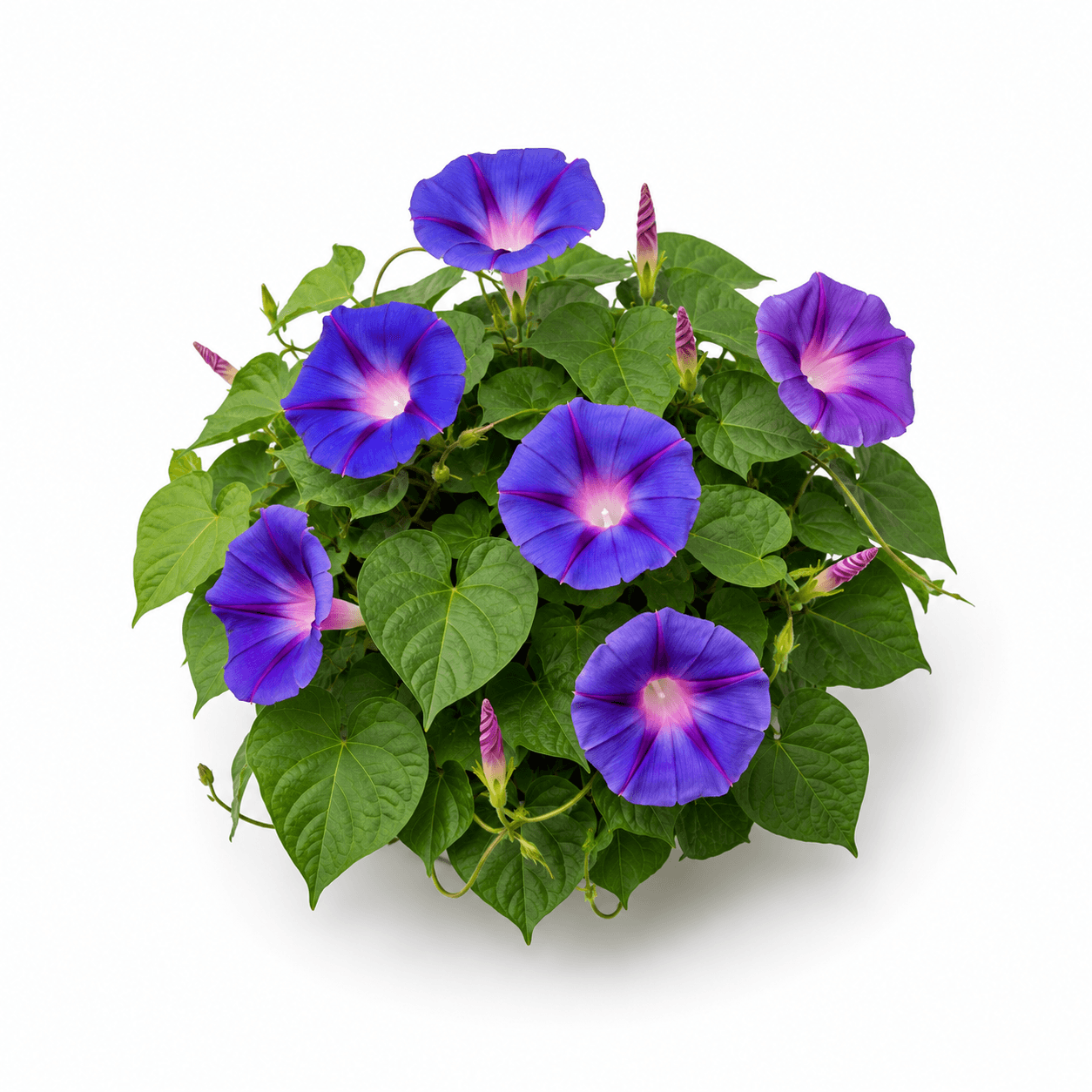
Morning Glory
Seeds, flowers, leaves, and stems are all toxic to rabbits
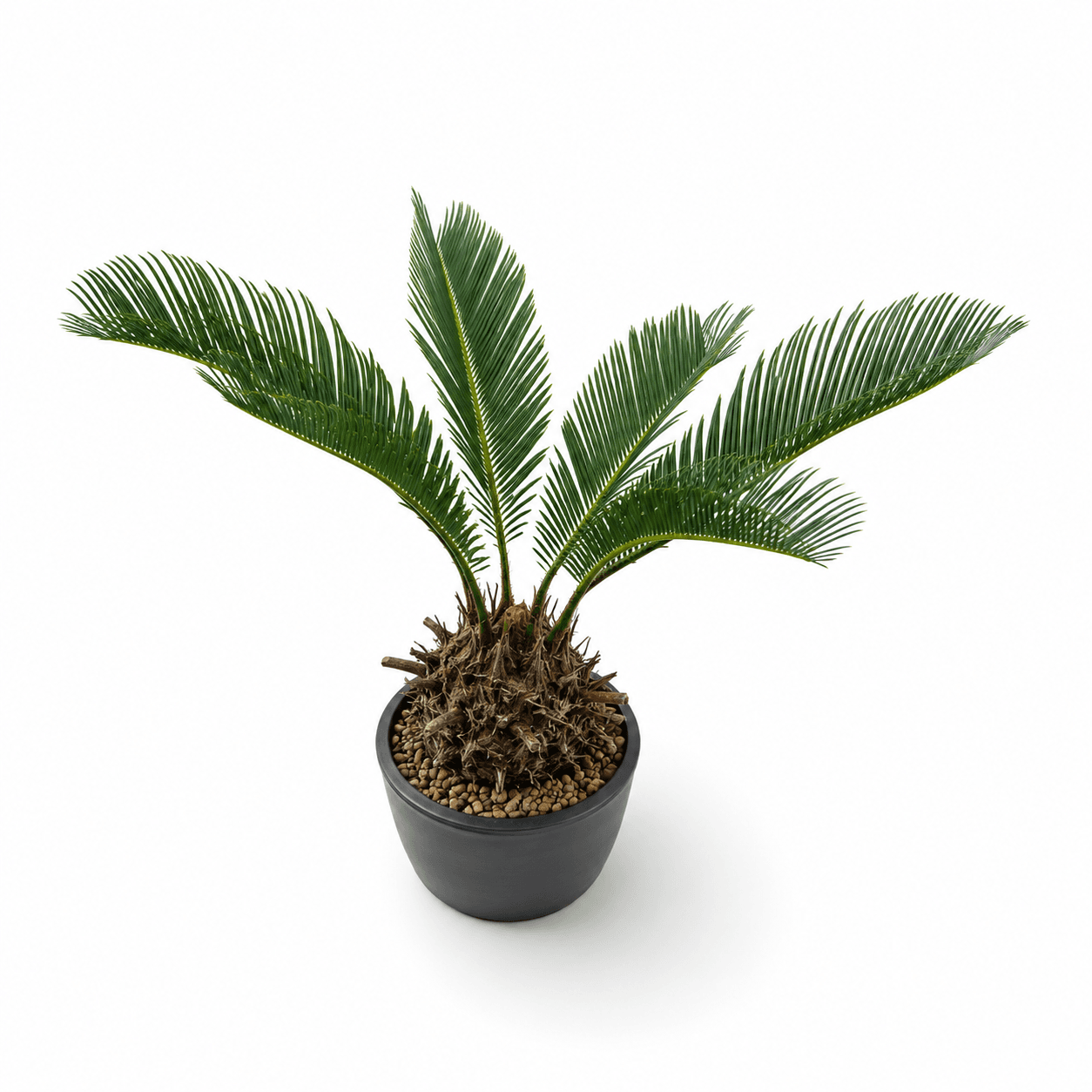
Sago Palm
Seeds and young stems are toxic
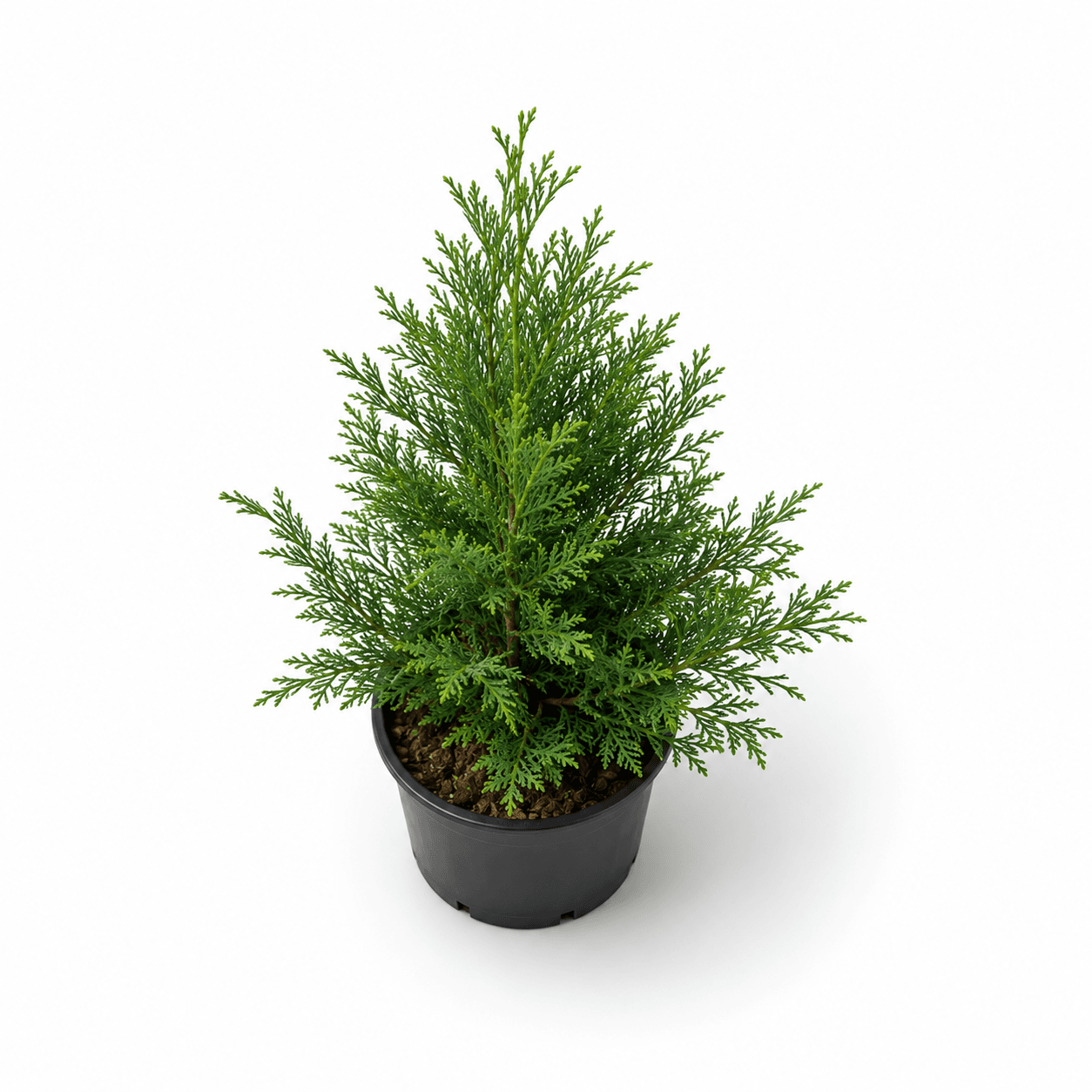
Arborvitae
Branches and leaves are toxic
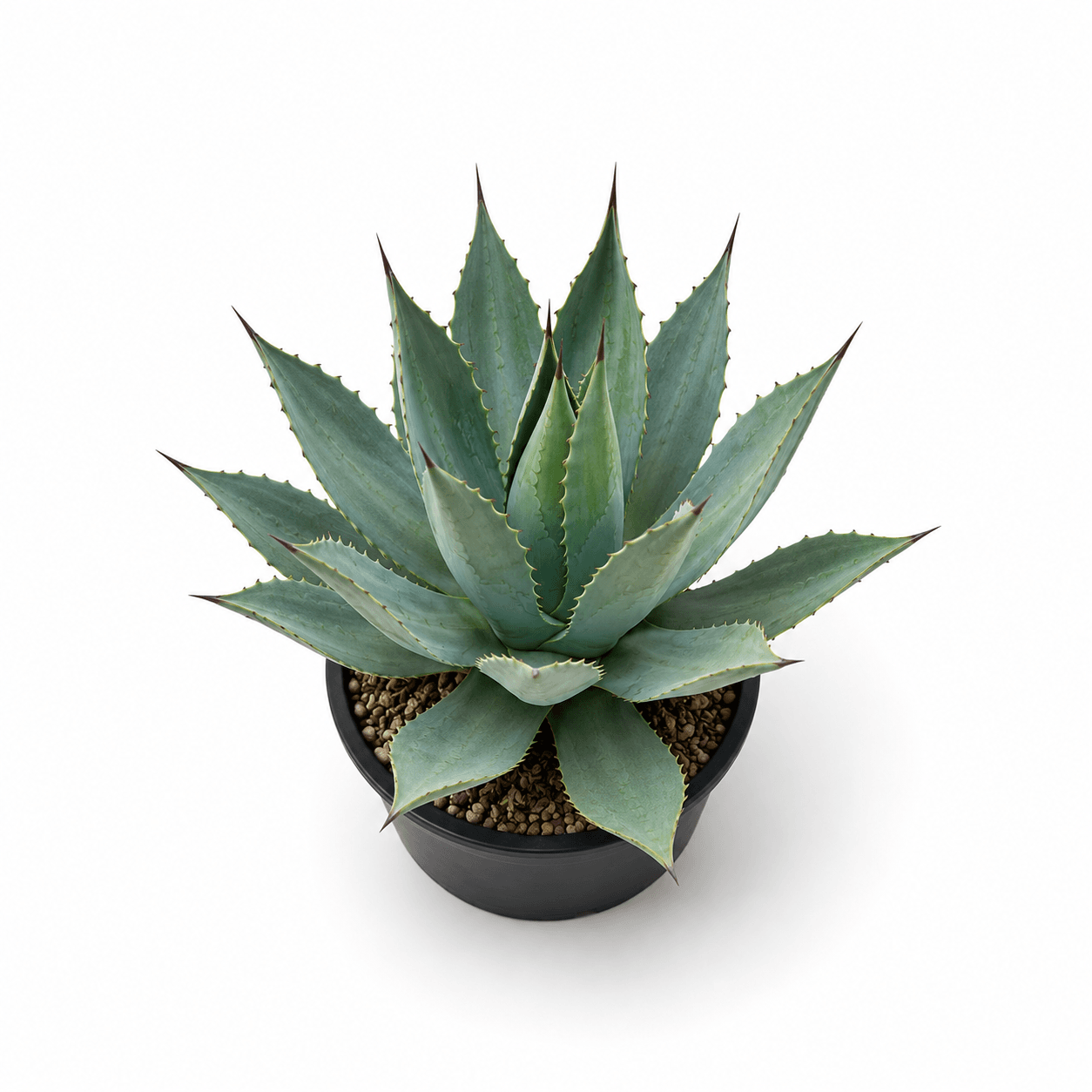
Agave
Sap is toxic
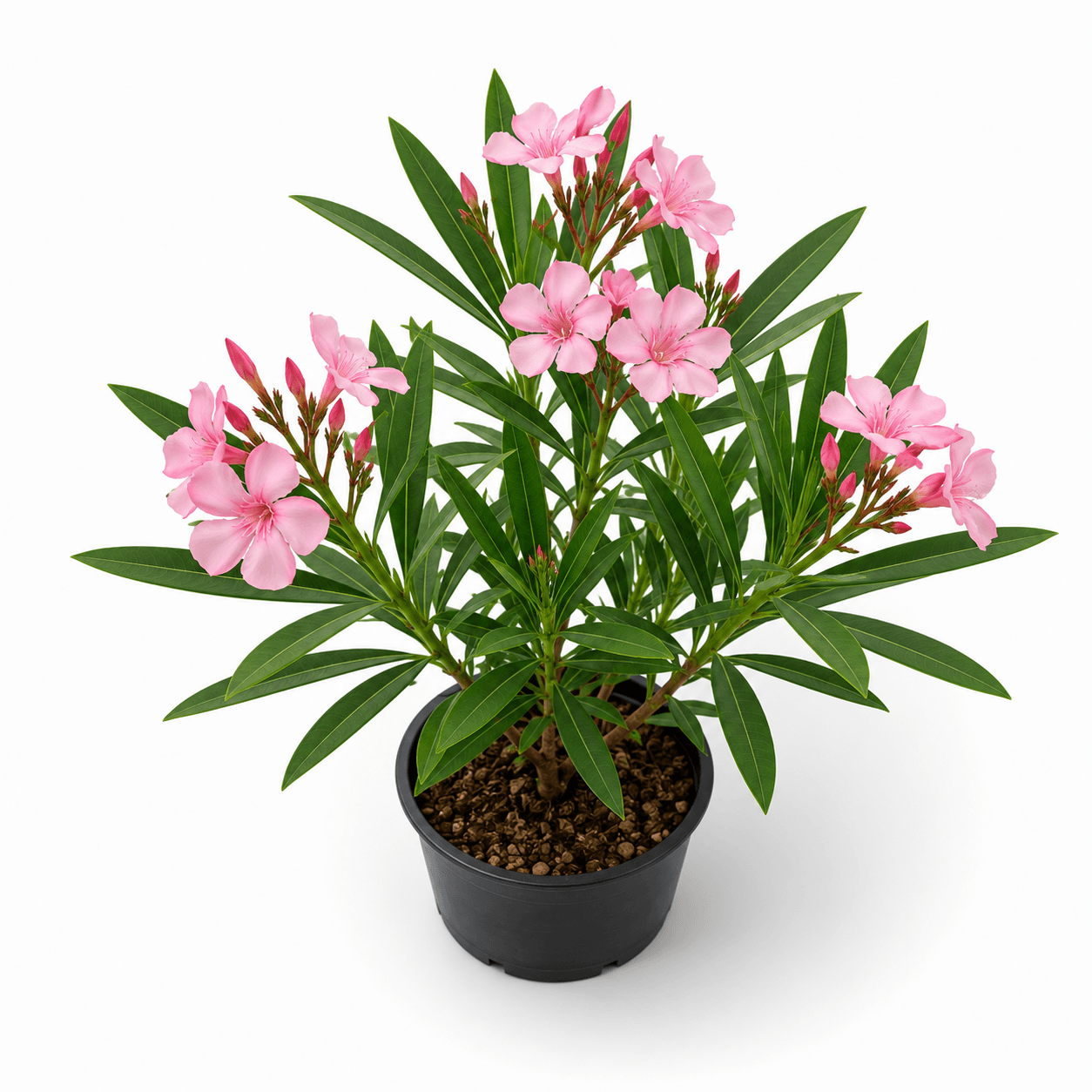
Oleander
Whole plant is highly toxic
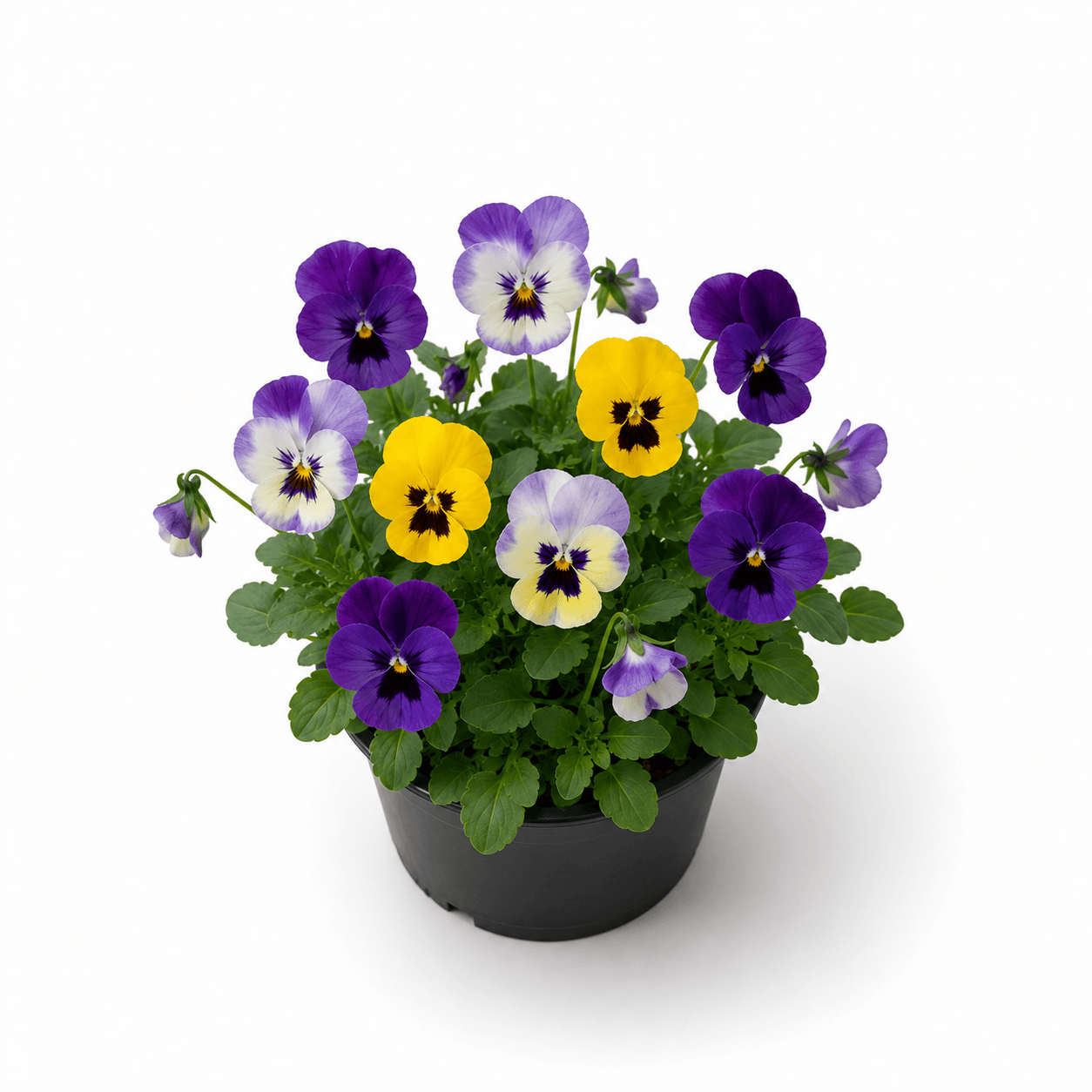
Pansy
Leaves are toxic
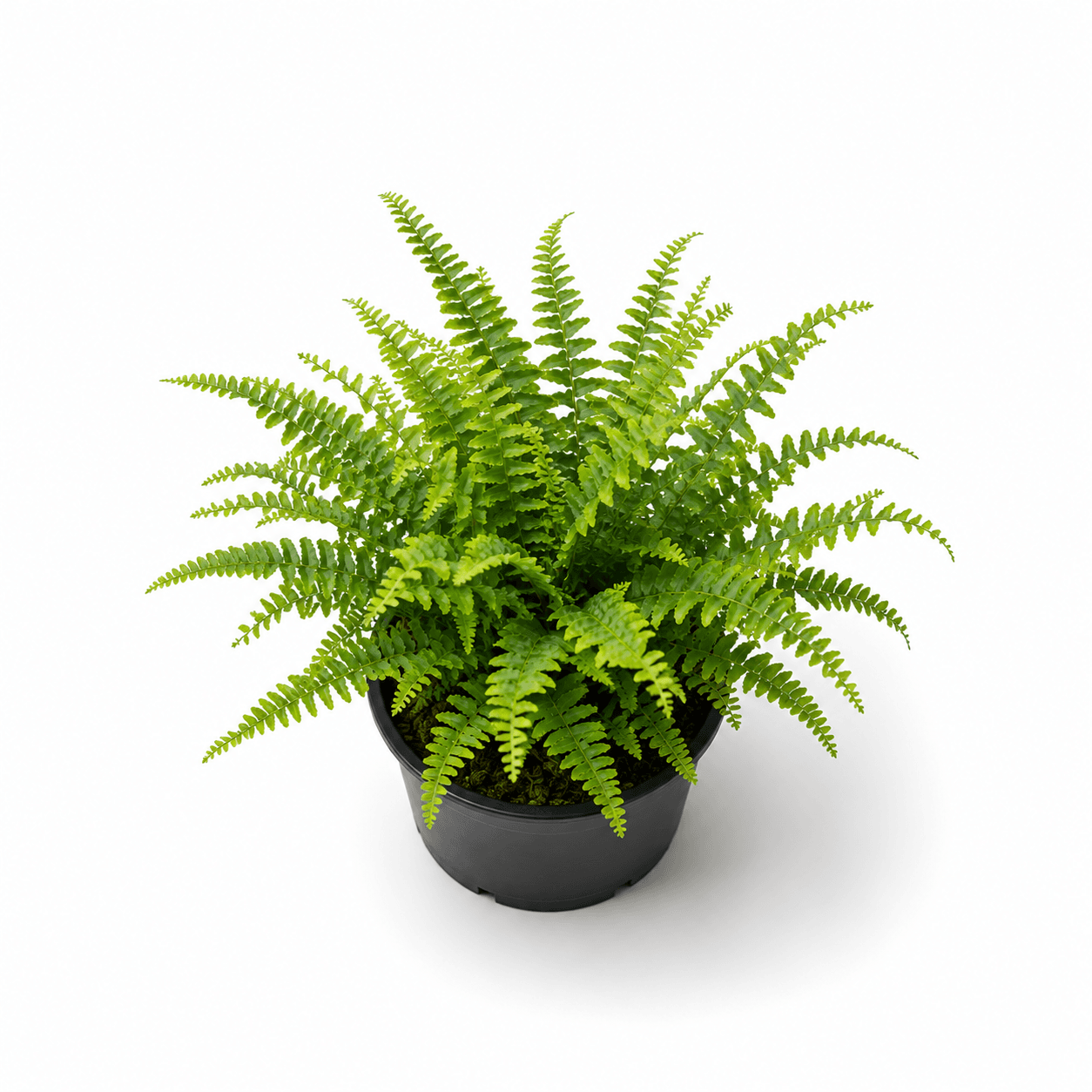
Ferns
Leaves are toxic
- ✻Introduce new vegetables one at a time in small amounts, watch for soft stools or diarrhea
- ✻Wash vegetables thoroughly to remove pesticide residues — rinse under running water for 30 minutes, then wash again
- ✻Hay should be 85% of diet - it's the most important food source
- ✻Pellets are only 5% - overfeeding can cause obesity, heart and liver disease
- ✻Fruits and carrot roots are treats - high sugar, give sparingly
- ✻Alfalfa only for babies, nursing mothers, or special needs - avoid for healthy adults
- ✻Never feed processed human foods: chocolate, cookies, bread, yogurt drops, etc.
- ✻When in doubt, consult a professional veterinarian